SWIPE TO SEE NEXT IMAGE
DONE
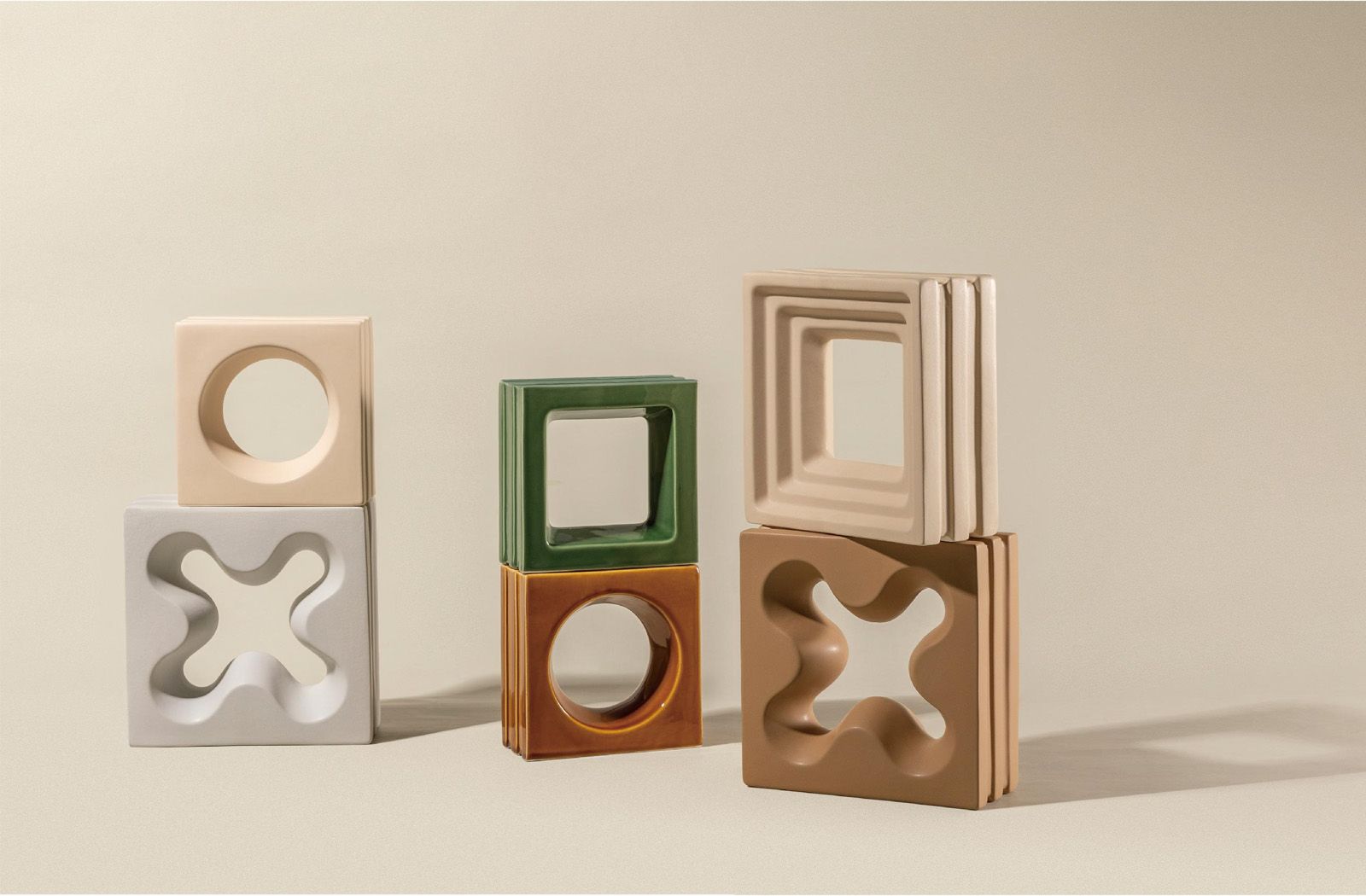
Breezeblocks, also referred to as sun breaks or architectural screen blocks, are a versatile building element that combines structure, atmosphere, and environmental performance. Used in both residential and commercial architecture, breezeblocks allow designers to shape space through light, airflow, and pattern, rather than solid enclosure.
Originally associated with mid-20th-century modern architecture, breezeblocks have re-emerged in contemporary design as a response to denser living conditions, climate awareness, and the desire for spatial openness without sacrificing privacy.

Unlike solid walls, breezeblocks are designed to partially enclose space while allowing air and light to pass through. This makes them ideal for:
• Space division without visual heaviness
• Facades that balance privacy and openness
• Interior partitions that maintain daylight continuity
They can be manufactured from materials such as concrete or high-fired porcelain, depending on performance requirements and aesthetic intent.

High-fired porcelain breezeblocks are produced using refined raw materials and precision casting techniques. Fired at temperatures exceeding 1200°C, these blocks achieve:
• High temperature resistance
• Excellent durability and corrosion resistance
• Low maintenance and easy cleaning
• No radiation and stable material performance
These properties make them suitable for both indoor and outdoor use, including façades, courtyards, balconies, and interior feature walls.
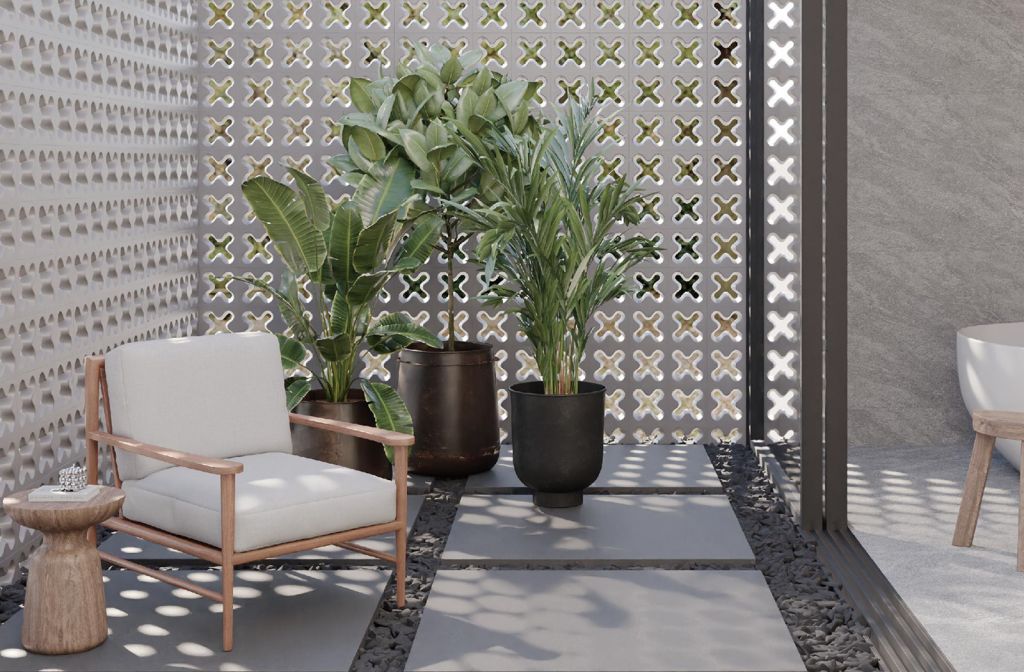
1. Natural Ventilation
The perforated structure promotes continuous airflow, improving indoor comfort and reducing reliance on mechanical ventilation. This passive design strategy is especially valuable in our warm climate.
2. Light and Shadow
Breezeblocks soften incoming daylight, creating layered shadows and visual depth. As the sun moves throughout the day, interiors are animated by changing light patterns, enhancing spatial quality without glare.
3. Privacy Without Isolation
Rather than completely sealing off spaces, breezeblocks provide visual screening while maintaining a sense of openness. This balance makes them ideal for urban residences where privacy and daylight are equally important.
4. Spatial Definition
Breezeblocks can separate areas while preserving continuity. They are often used to create distinct zones without full enclosure.
5. Architectural Identity
Beyond performance, breezeblocks act as a strong architectural feature. Repeating patterns introduce rhythm and texture, allowing façades and interiors to express identity through geometry and materiality.
Interior

• Room dividers
• Feature walls
• Stairwell screens
Used indoors, breezeblocks enhance spatial layering while maintaining light flow.
Exterior
• Building façades
• Garden and courtyard walls
• Balconies and terraces
• Entry screens and boundary walls
Outdoors, they perform as ventilation and moderates sunlight.
As residential spaces become more compact, breezeblocks offer a way to reintroduce breathing room into architecture. Their open design supports a modern lifestyle that values light and connection without sacrificing comfort or privacy.
Combining environmental performance, durability, and expressive design, Breezeblocks continue to evolve as a material that supports sustainable, light-filled, and thoughtfully layered spaces. View Hafary's breezeblocks selection: Imagery Breezeblocks collection