back to top
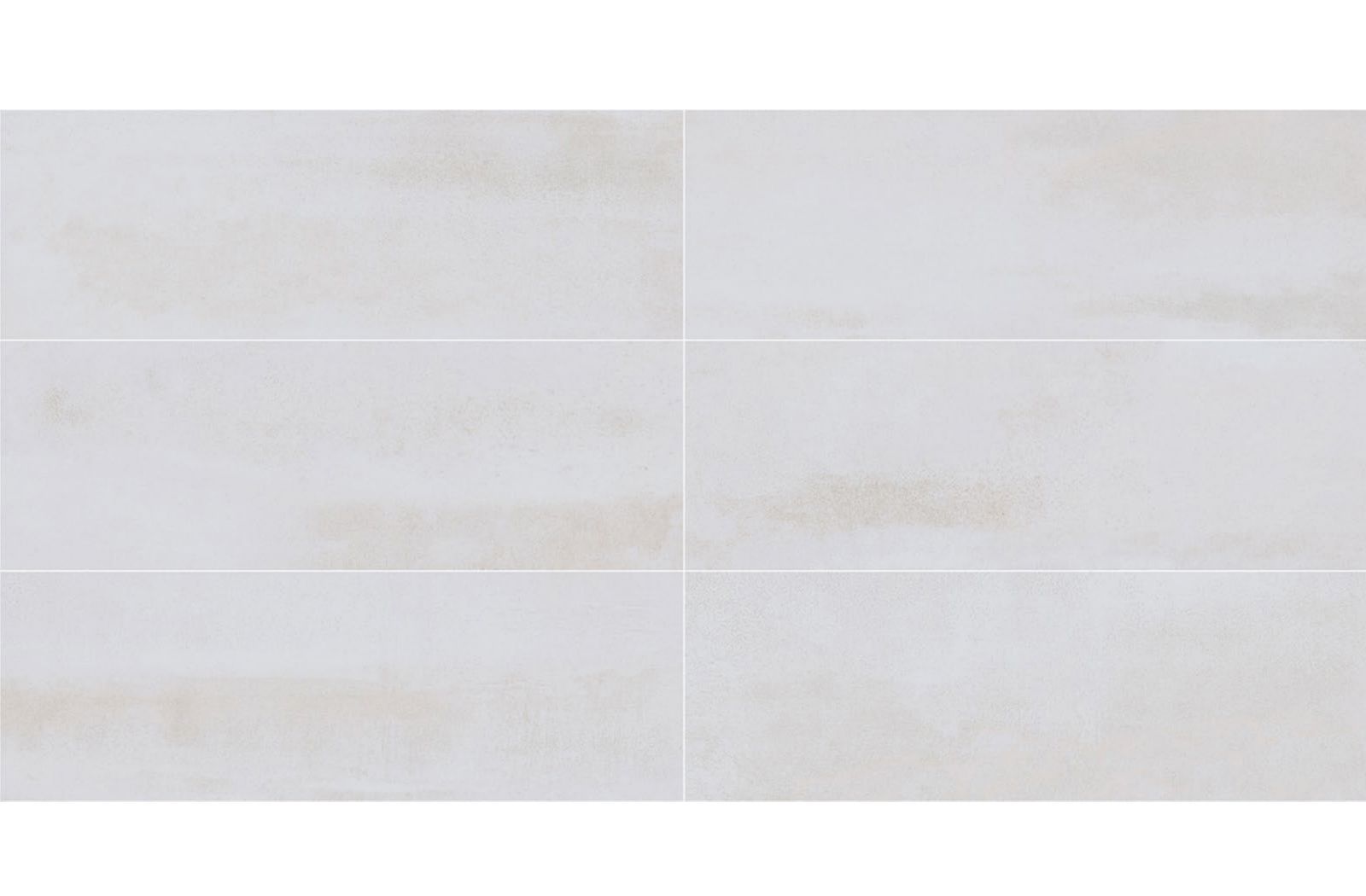
PAMESA CERAMICA BRIENZ
'Brienz Blanco
 
 
PAMESA CERAMICA | BRIENZ
Brienz Blanco
COLOURS & STYLES
BACK
THE STORY
Wall tile collection, Brienz, reinterprets the quintessential vintage style with its décor tiles. The collection also features high shade variation throughout.
MATERIAL
Ceramic Tile
APPLICATION
Wall
COUNTRY OF ORIGIN
Spain
VARIATION
Shade Variation (V3)
AVAILABLE DIMENSIONS
(L)1000 × (W)333 mm
FINISH
Matt
FINISH
Matt
you may also be interested in
Materia
The Materia tile collection features a refined stone effect in one warm and one cool tone. Designed in a flexible format, it adapts easily to different interior styles, offering a balanced and versatile surface choice for contemporary spaces.
Unique Intensity
Black brecciated quartzite is the inspiration material of the Unique Intensity tile collection from Provenza. Originating from Brazil, the stone's distinctive structure features stippling and vivid mineral details alternating with large neutral expanses. The compositional offering is completed by the Arcade decor with its long rectangular form of 60x120 cm, intended to extend walls’ vertical axes with geometrical forms that enhance the architectural impression of height.
Manchester
Sophistication meets functionality with the minimal stone look of Manchester tile collection. Suitable for application in common areas, yards, balconies, car porches, semi-outdoor and external spaces, Manchester embodies the strength and performance of natural stone.
AntiBacterial
Element Ceramics' glazed porcelain tile collection showcases realistic marble veins and aesthetics. The tile collection also features anti-bacterial properties for a safer and cleaner living environment.

Element Ceramics' antibacterial surface uses Zinc Ion technology. Zinc ions are an antimicrobial agent that can be used against various bacterial strains. A bio-safe material that is non-toxic to human (cells), Zinc ions can stop the growth of bacterial by interacting with the bacterial surface or entering inside the bacterial cells. This disrupts the bacterial enzyme system by displacing magnesium ions essential for the enzymatic activity of bacteria and subsequently, showing a significant bactericidal effect.