Yaki
This is the story of a journey...
A magical journey into the fascinating Japanese culture, marked by harmony, dimensions that mute as time goes by. A culture characterized by many contradictions that identify the uniqueness and elegance. Balance between fast-paced innovation and traditions. In Japan, arts, traditions and rituals coexist harmoniously with technology, progress together with the speed in which it all happens. Knowledge is the key word that has marked the creation of this series. Ours was a love at first sight. From the vision of a house in the countryside near Kyoto, externally coated with burnt wood led to a charming and engaging emotion then fueled by the discovery:
Yaki or Shou Sugi Sugi Ban is an ancient Japanese technique, which consists in the carbonization of wood planks, making them waterproof and fireproof, still used in modern architecture.
The elegance of the Japanese master craftsmanship has the ability to make valuable materials which are poor, is definitely one of the large differences between our culture and theirs.
The result of this process has us excited and to say the least, fascinated.
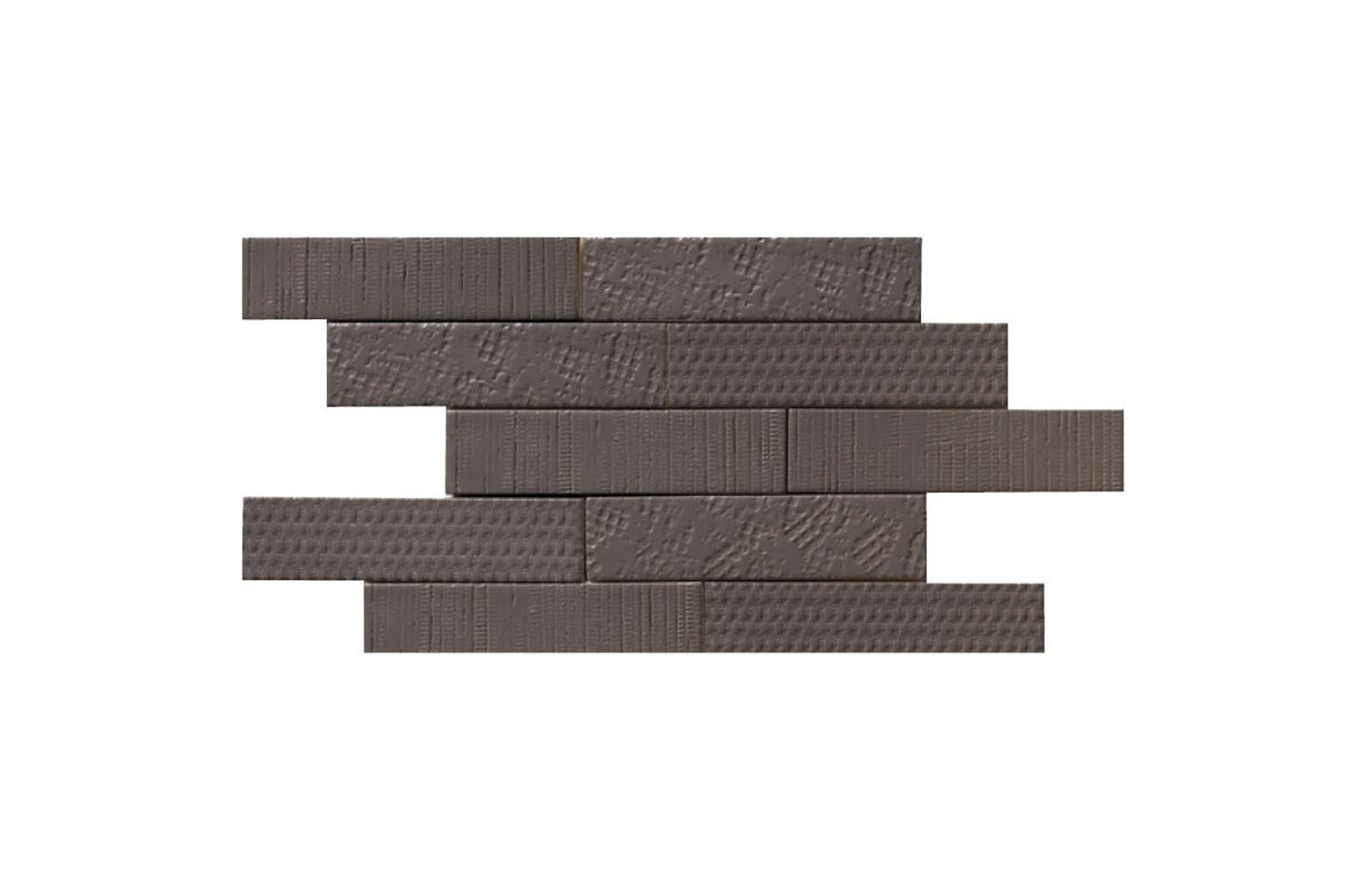
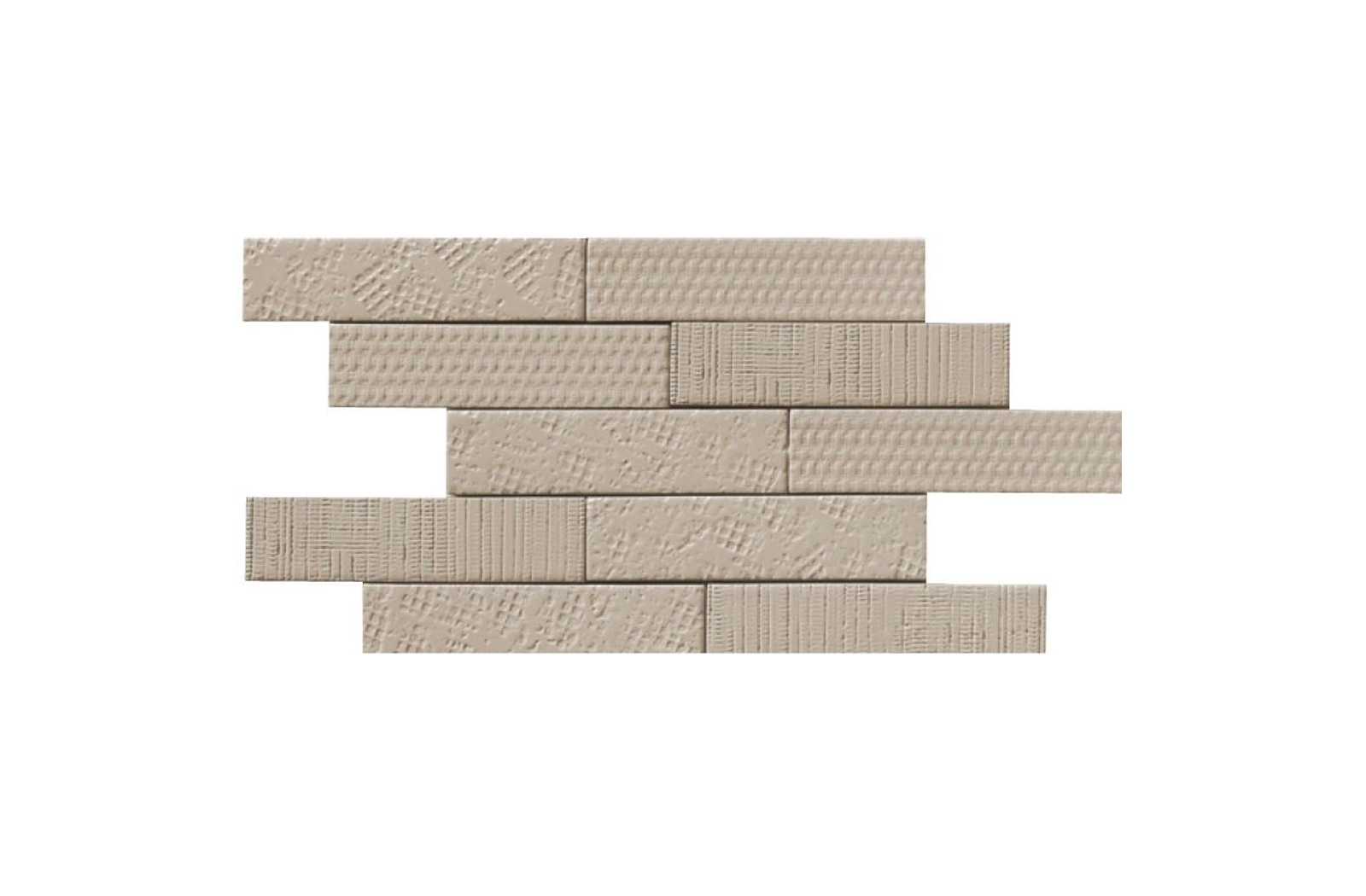
We reinterpreted the fruit of this technique through Yaki in four different colors and two different surfaces, an opaque and a resin on a format of 15x120cm.