SWIPE TO SEE NEXT IMAGE
DONE
back
to top
back to top
enquiries
Tiles
Stone
Countertop
Vinyl
Mosaic
Beyond
Promotions
Locations
Enquiries
About
About
Board of Directors
Brands
Investor Relations
Annual Reports
SGX Announcements
Policies
Portfolio
Care and Maintenance
News & Events
Design Directory
T :
+65 6250 1368
E :
enquiry@hafary.com.sg
Tiles
Stone
Countertop
Vinyl
Mosaic
Beyond
WOODLAND
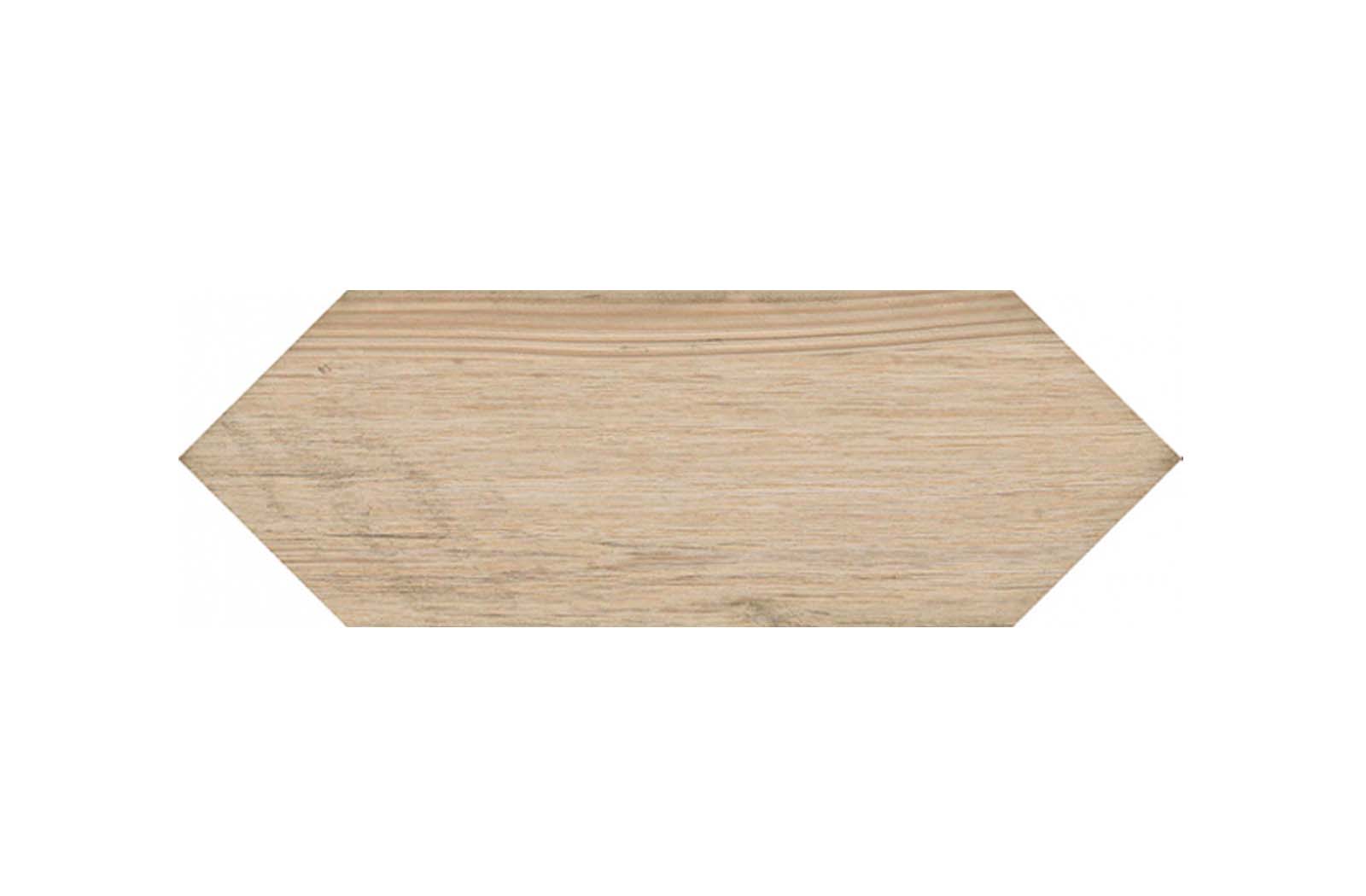
'Wood Land Losanga Natural
WOODLAND
Wood Land Losanga Natural
COLOURS & STYLES
ENQUIRE
ADDED.
CLICK TO SEE YOUR SHOPPING LIST
BACK TO RESULTS
BACK
THE STORY
Woodland tile collection by Equipe features wood effect tile in shapes that tessellate, creating a beautiful and subtle pattern for surfaces. Suitable to be used as wall or floor covering.
MATERIAL
Glazed Porcelain Tile
APPLICATION
Floor
Wall
Slip Rating
R9
COUNTRY OF ORIGIN
Spain
VARIATION
Shade and Veins Variation (V2)
AVAILABLE DIMENSIONS
(L)300 × (W)100 mm
FINISH
Matt
Slip Rating
R9
FINISH
Matt
ENQUIRE
ADDED.
CLICK TO SEE YOUR SHOPPING LIST
you may also be interested in
PM1266
The PM1266 tile collection captures the timeless elegance of white marble, enhanced with grey veining in varying patterns. Each tile presents subtle differences in vein intensity and movement, creating a natural, authentic look across floors and walls.
Super White
In a 1200x600mm dimension, immerse yourself in the purity of the TN126001L tile, creating an atmosphere of pristine elegance.
S2-36P104-
Simulating the appearance of grey marble, 2-36P104- wall tile is the ideal choice for a luxurious interior.
APP
The APP stone effect tile collection is a versatile solution for floor and wall surfacing requirements. With a palette of neutral tones for selection, the collection is available in three standard formats to suit the needs of various spaces.