back to top
PIENO 990
'A90711Y
 
 
| PIENO 990
A90711Y
COLOURS & STYLES
BACK
THE STORY
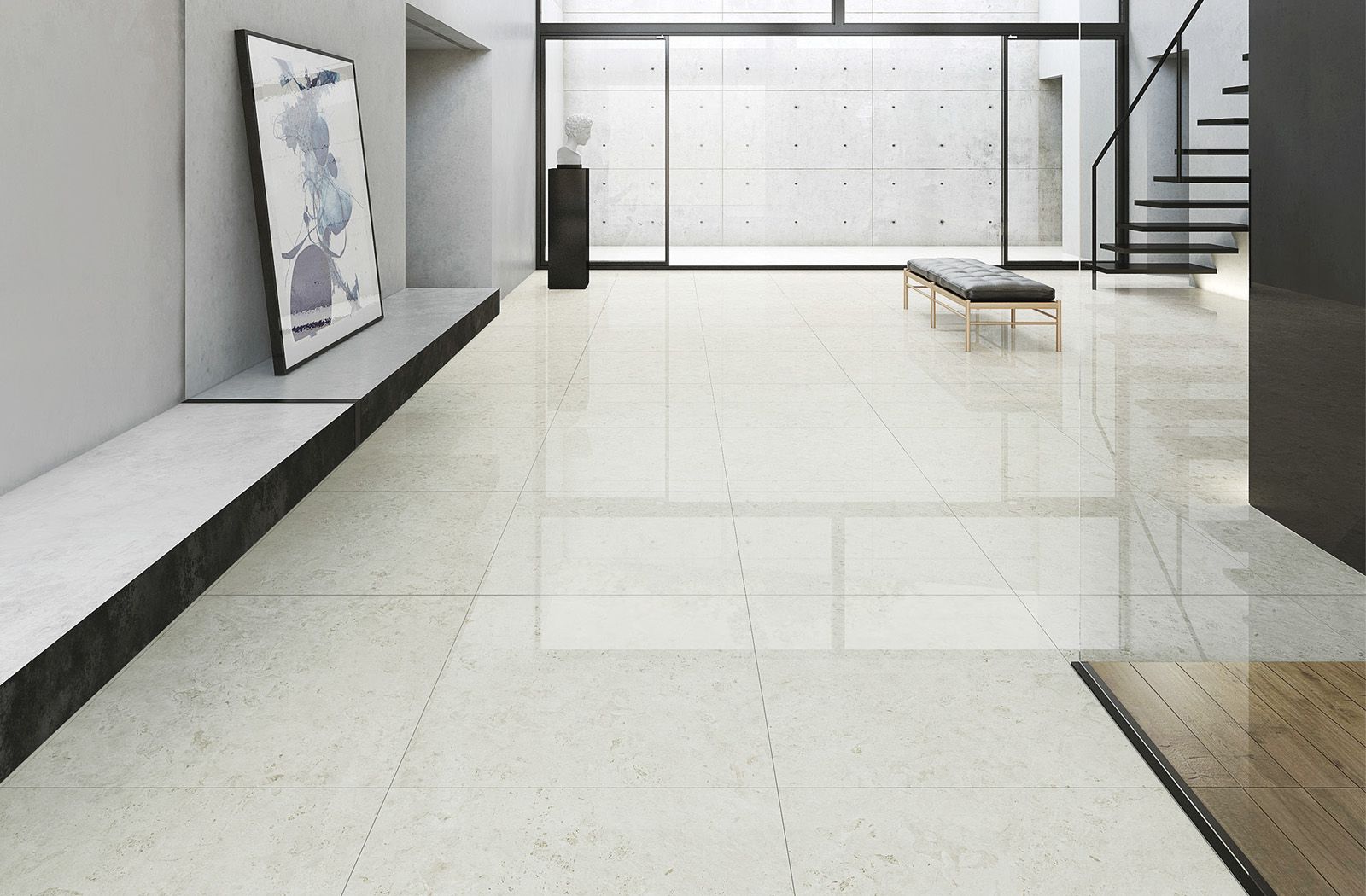
Pieno 990 marble effect tile collection presents the beauty and allure of the natural material with the added benefits of porcelain. Durable and easy to maintain, the collection is suitable for modern and contemporary environments.
MATERIAL
Glazed Porcelain Tile
APPLICATION
Floor
COUNTRY OF ORIGIN
China
VARIATION
Shade and Veins Variation
AVAILABLE DIMENSIONS
(L)900 × (W)900 mm
FINISH
Polished
FINISH
Polished
you may also be interested in
Royal Travertino
Colours, textures, and veining evoke the Italian landscape and the warm tones of Tivoli, where nature and classical architecture come together, stirring up primordial feelings and creating an aesthetic steeped in history. Royal Travertino tile collection is the contemporary vision of a millenary stone, available in the latest generation porcelain, designed to lend architecture extraordinary beauty and textural intensity.
Hope
The Hope tile collection features a calm and refined neutral palette. Its subtle variation adds gentle depth while maintaining a clean, seamless look across larger surfaces. Ideal for contemporary interiors, the generous format minimises grout lines for a more expansive and elegant finish.
GF-B800
GF-B800 tile collection is designed to bring a stone-inspired aesthetic to your spaces. Available in two elegant shades of grey, these tiles offer a versatile and timeless look that complements both modern and classic interiors.
Antibacterial 60120
Element Ceramics' glazed porcelain tile collection showcases realistic marble veins and aesthetics in the 60x120cm format. The tile collection also features anti-bacterial properties for a safer and cleaner living environment.

Element Ceramics' antibacterial surface uses Zinc Ion technology. Zinc ions are an antimicrobial agent that can be used against various bacterial strains. A bio-safe material that is non-toxic to human (cells), Zinc ions can stop the growth of bacterial by interacting with the bacterial surface or entering inside the bacterial cells. This disrupts the bacterial enzyme system by displacing magnesium ions essential for the enzymatic activity of bacteria and subsequently, showing a significant bactericidal effect.