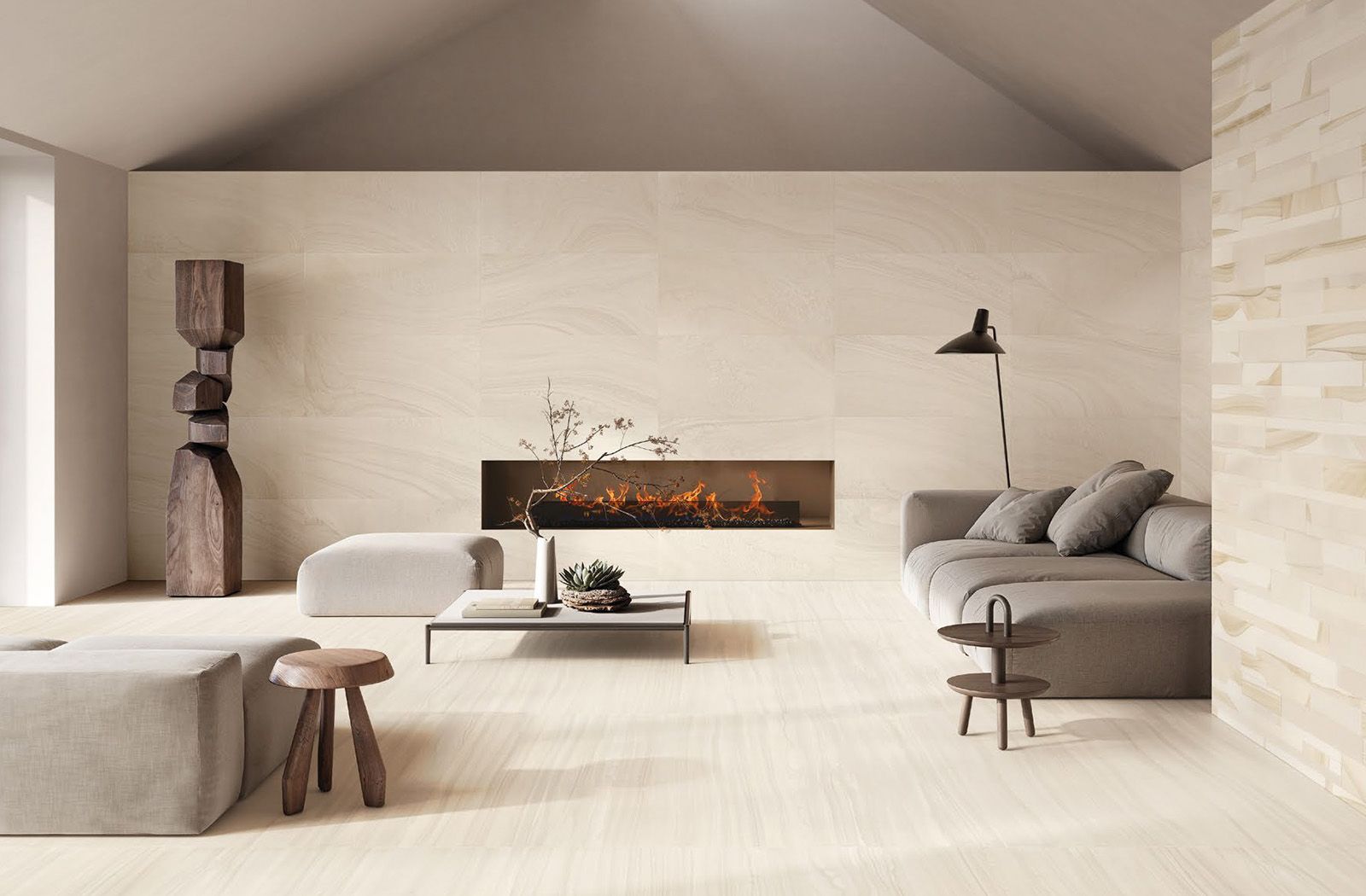
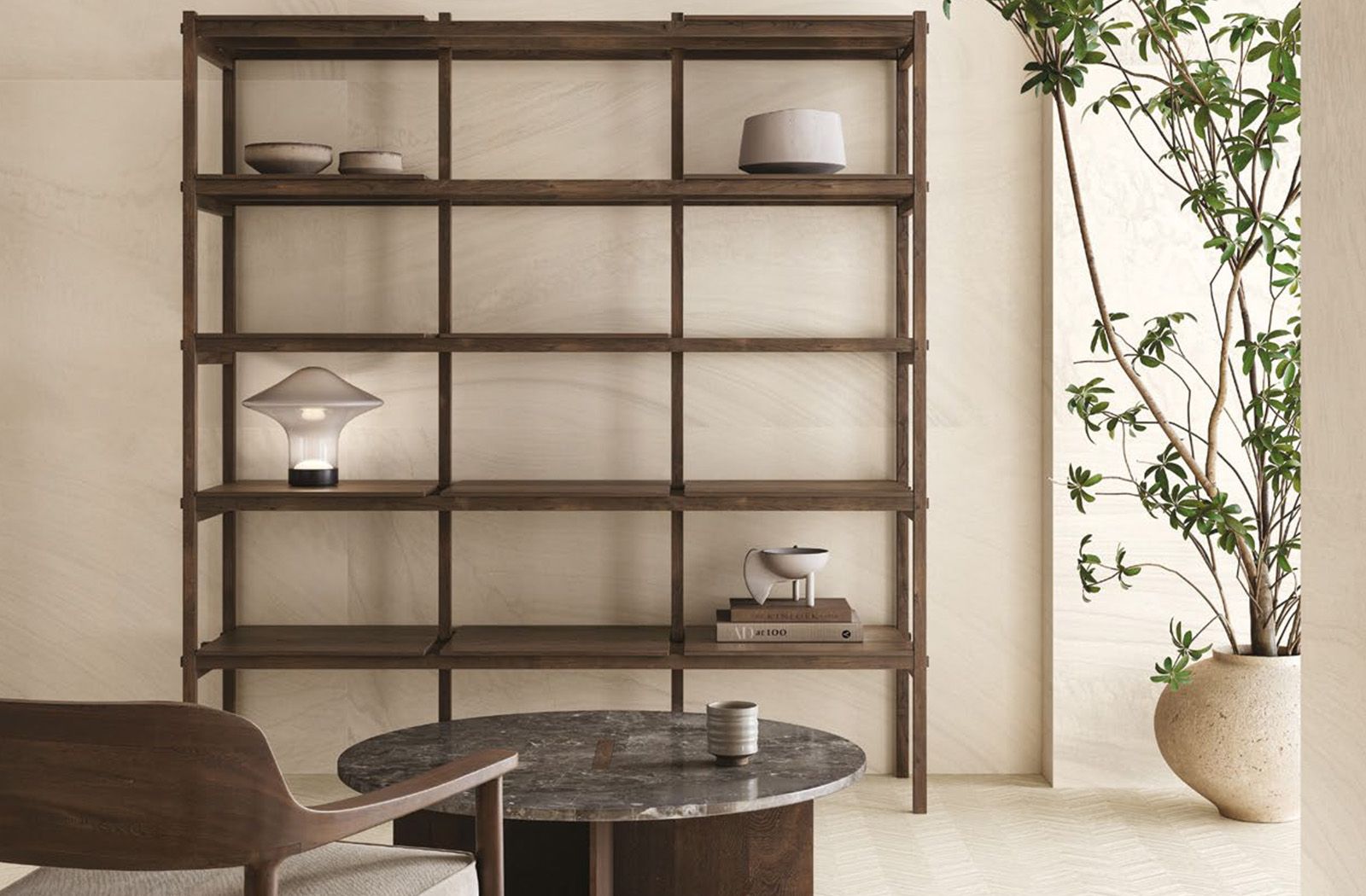
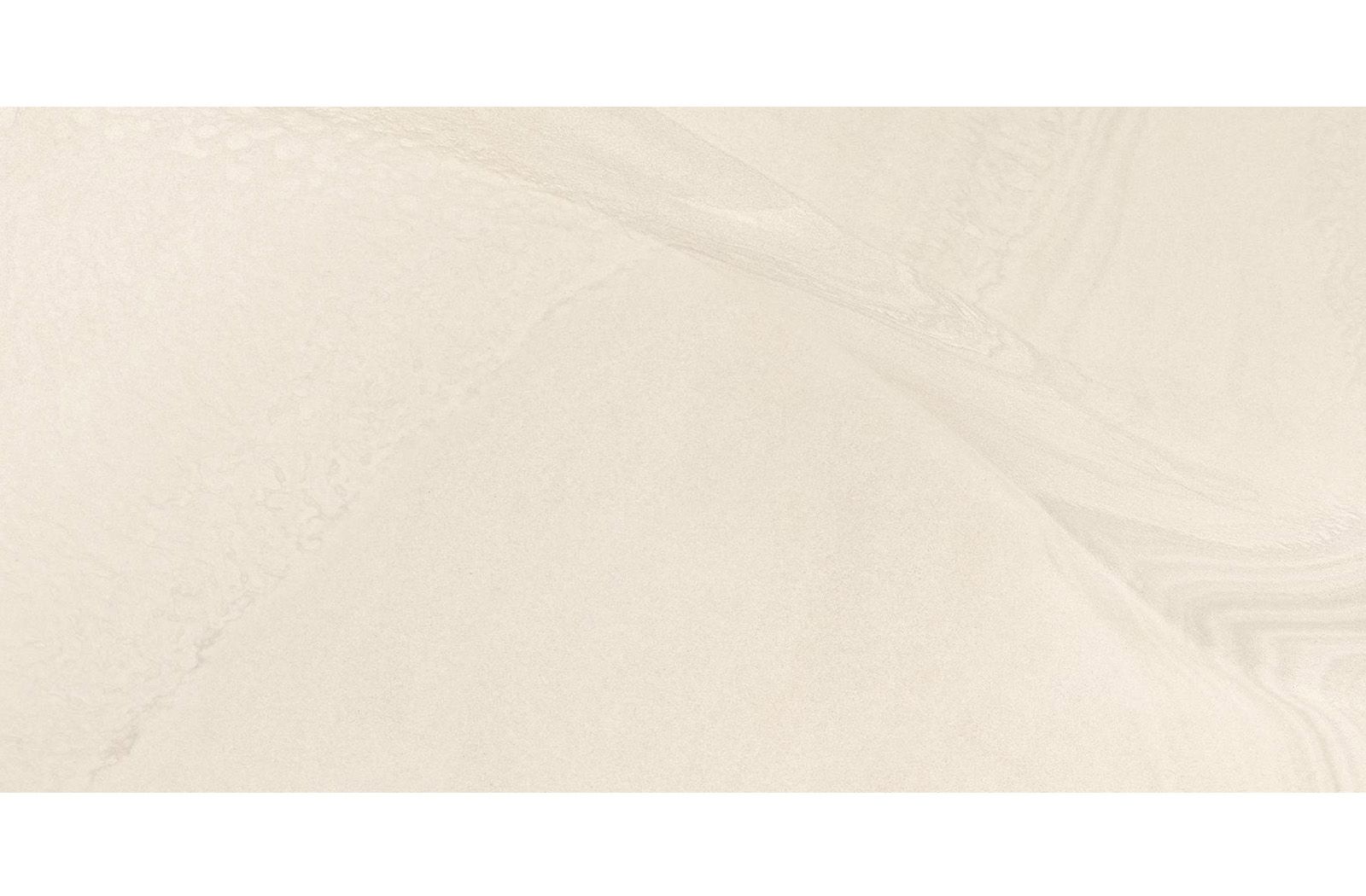
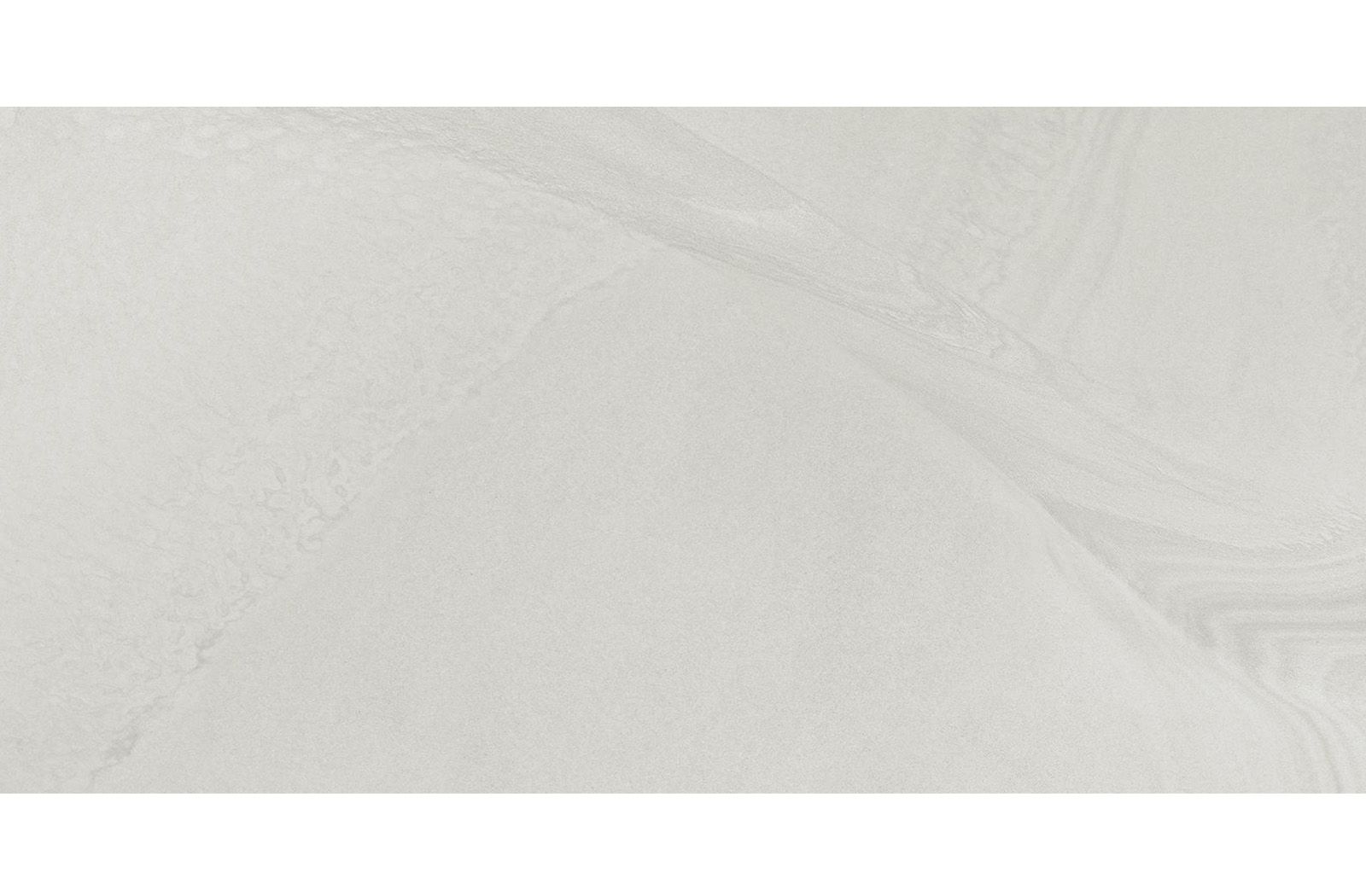
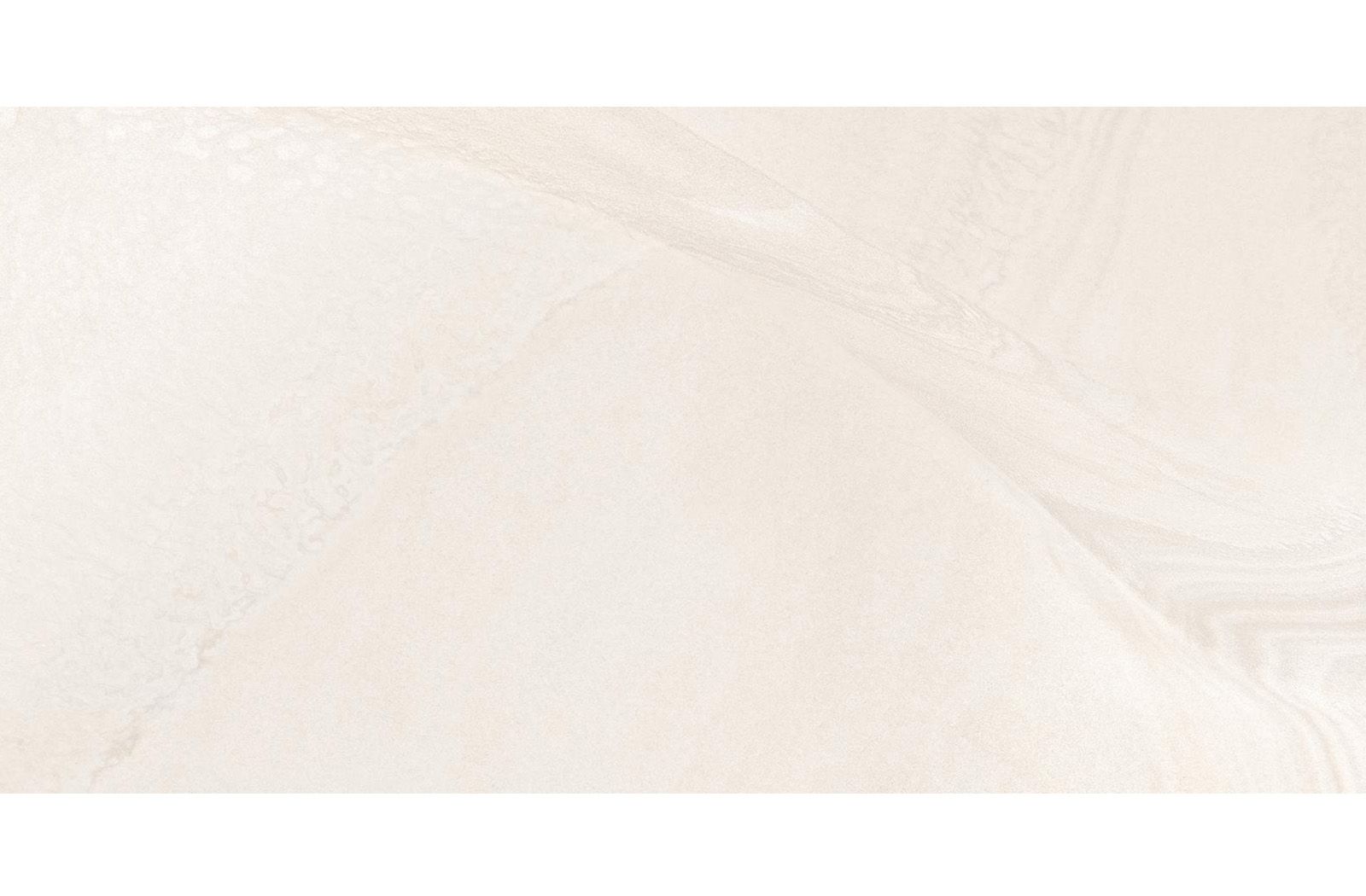
The Varana Stone tile collection by Provenza is inspired by the distinctive stone quarried near the village of Varana in the Apennines between the regions of Tuscany and Emilia. It is a sedimentary rock formed by the accumulation of different types of sand on ancient seabeds.
The Varana Stone tile collection by Provenza is inspired by the distinctive stone quarried near the village of Varana in the Apennines between the regions of Tuscany and Emilia. It is a sedimentary rock formed by the accumulation of different types of sand on ancient seabeds.
The Varana Stone tile collection by Provenza is inspired by the distinctive stone quarried near the village of Varana in the Apennines between the regions of Tuscany and Emilia. It is a sedimentary rock formed by the accumulation of different types of sand on ancient seabeds.
The Varana Stone tile collection by Provenza is inspired by the distinctive stone quarried near the village of Varana in the Apennines between the regions of Tuscany and Emilia. It is a sedimentary rock formed by the accumulation of different types of sand on ancient seabeds.
The Varana Stone tile collection by Provenza is inspired by the distinctive stone quarried near the village of Varana in the Apennines between the regions of Tuscany and Emilia. It is a sedimentary rock formed by the accumulation of different types of sand on ancient seabeds.