back to top
CAPUCINO CERAMICS PICASSO (MVG)
'MVG787
 
 
CAPUCINO CERAMICS | PICASSO (MVG)
MVG787
COLOURS & STYLES
BACK
THE STORY
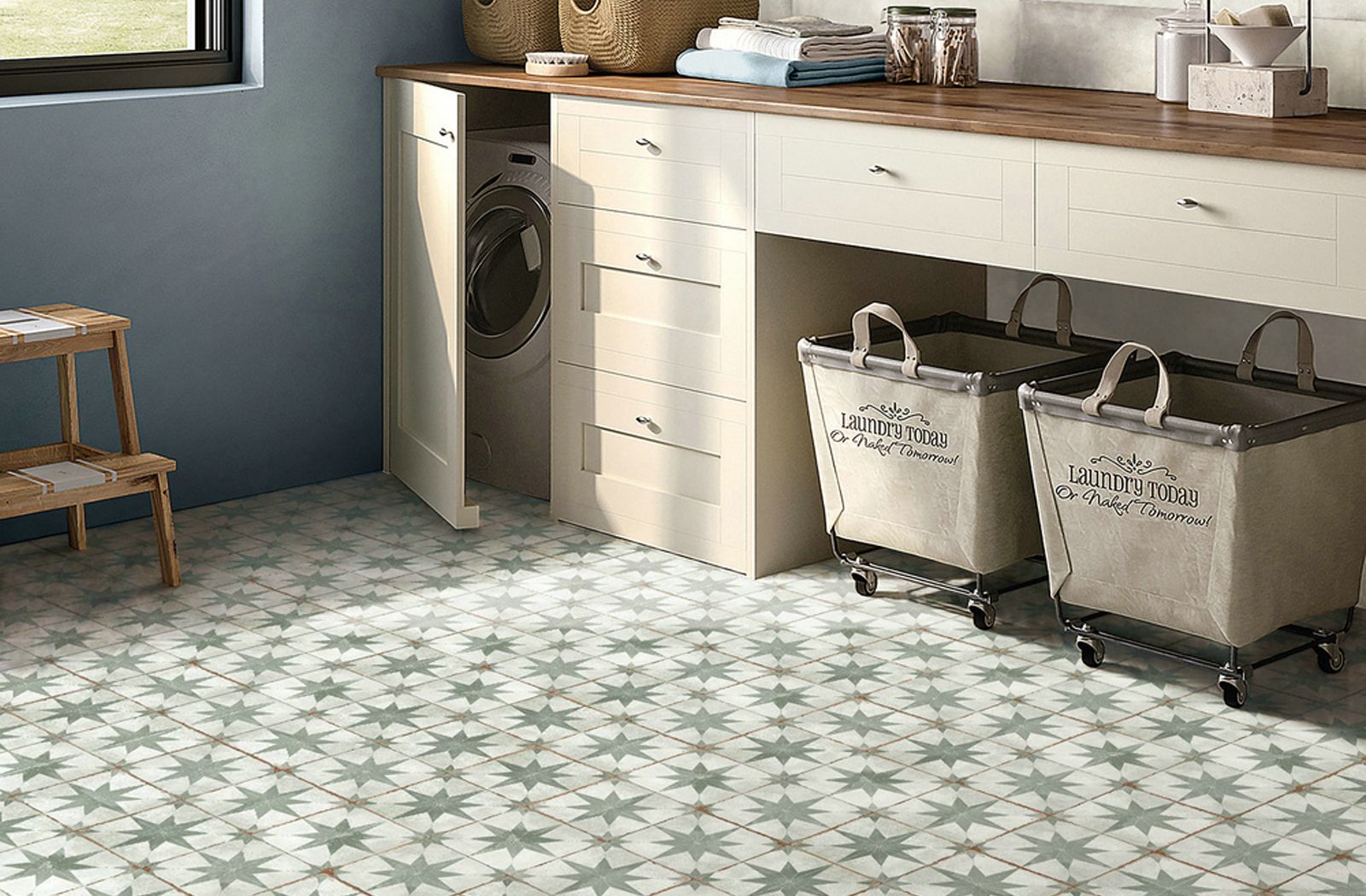
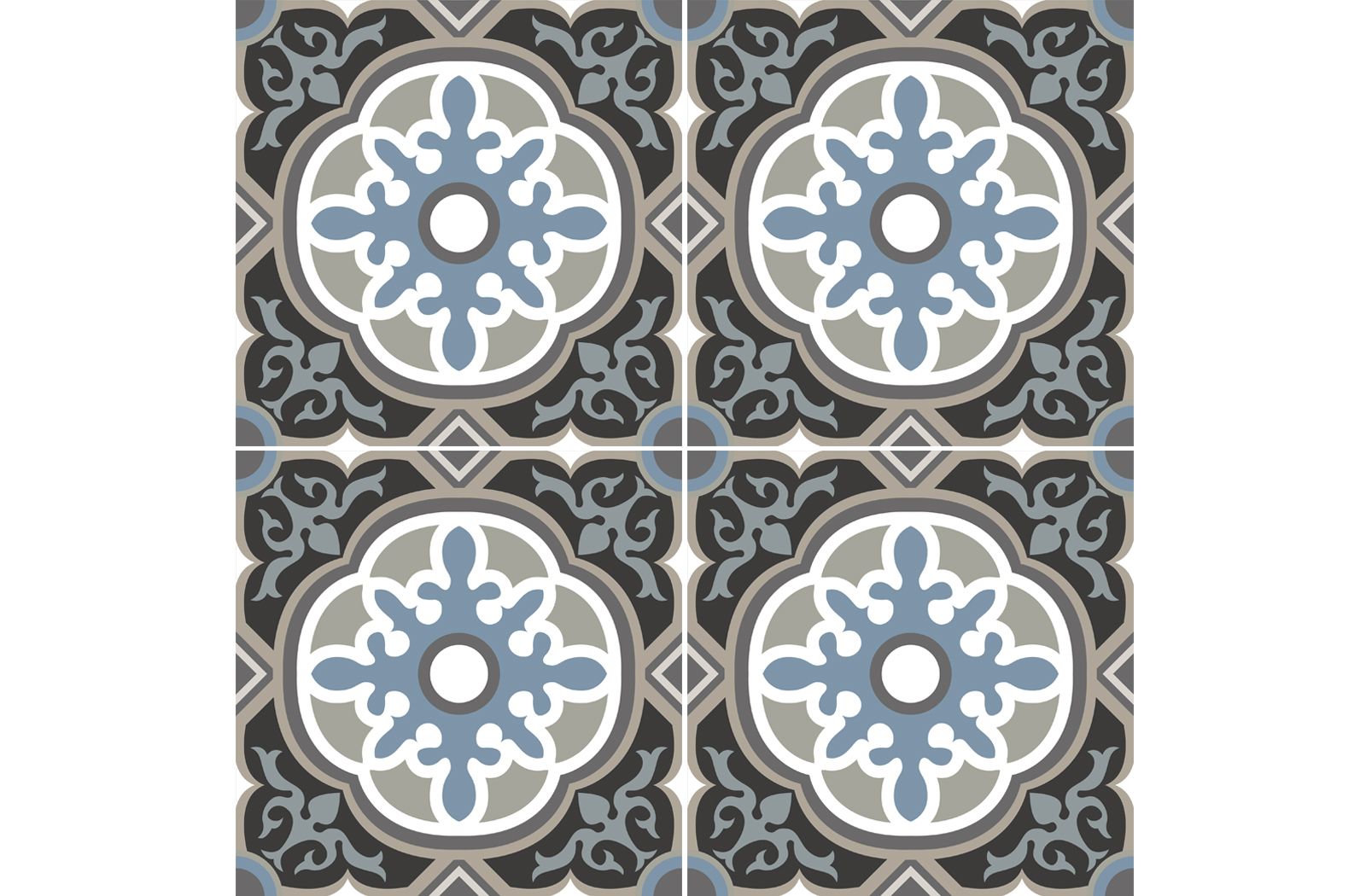
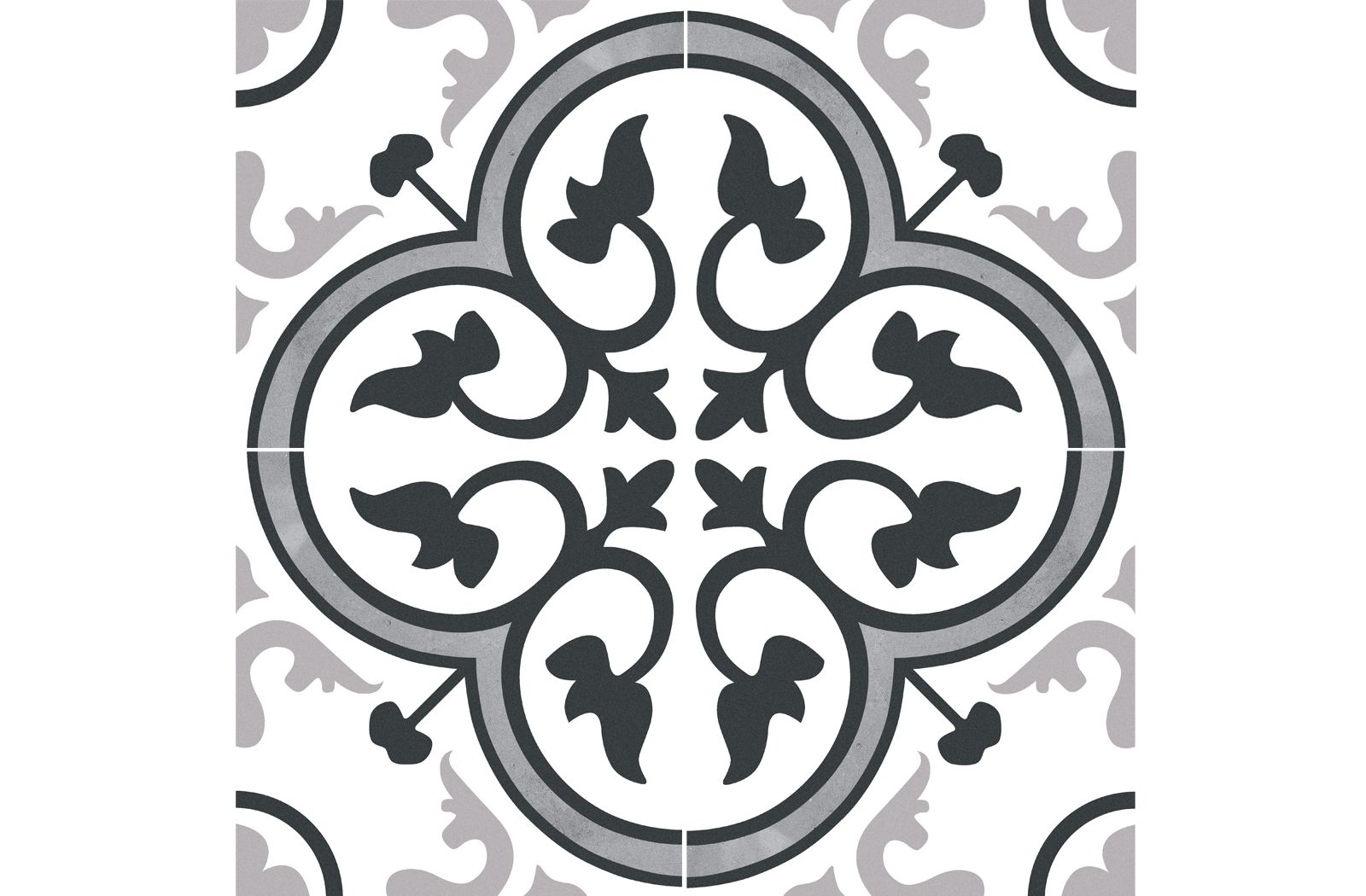
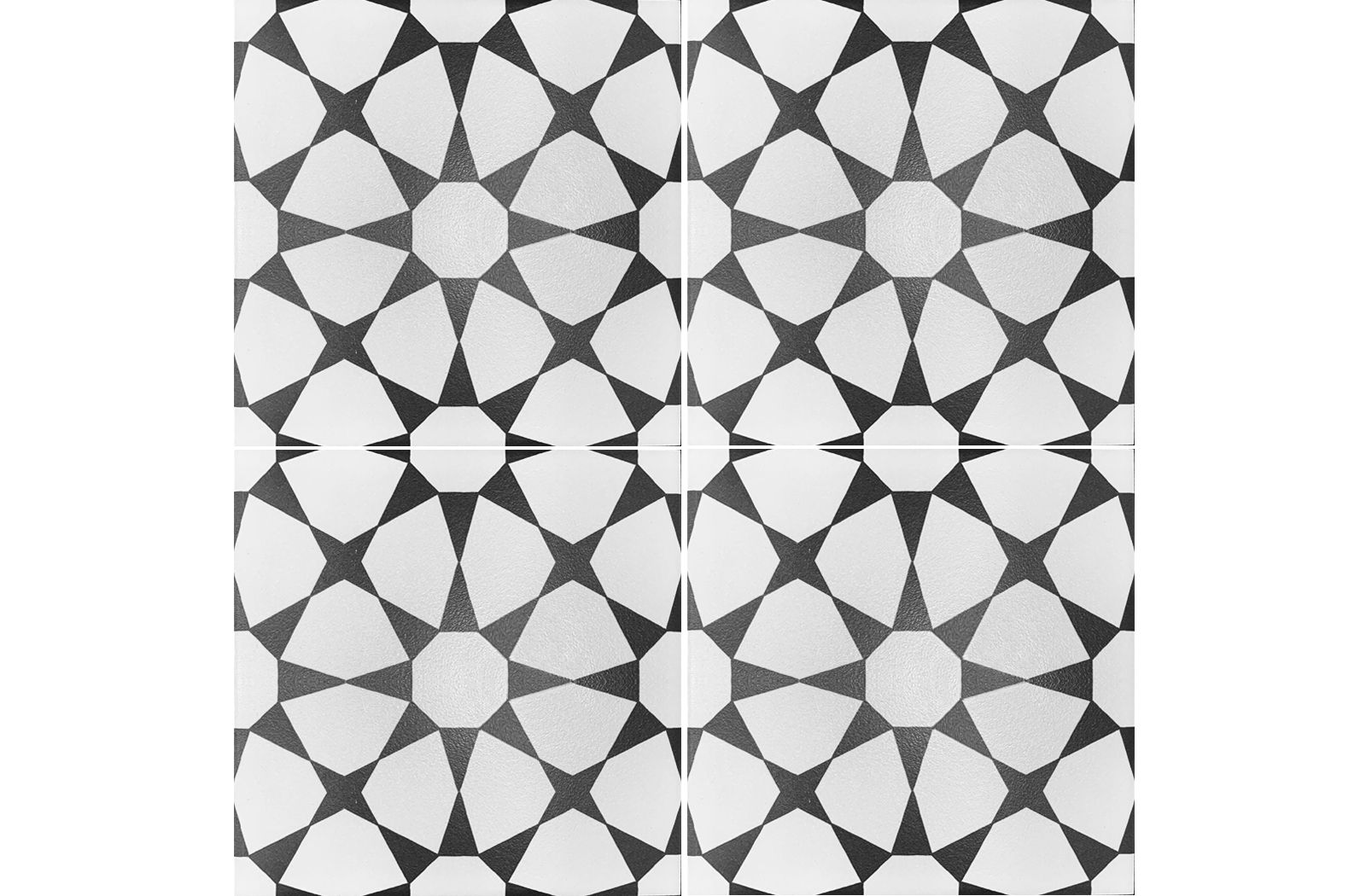
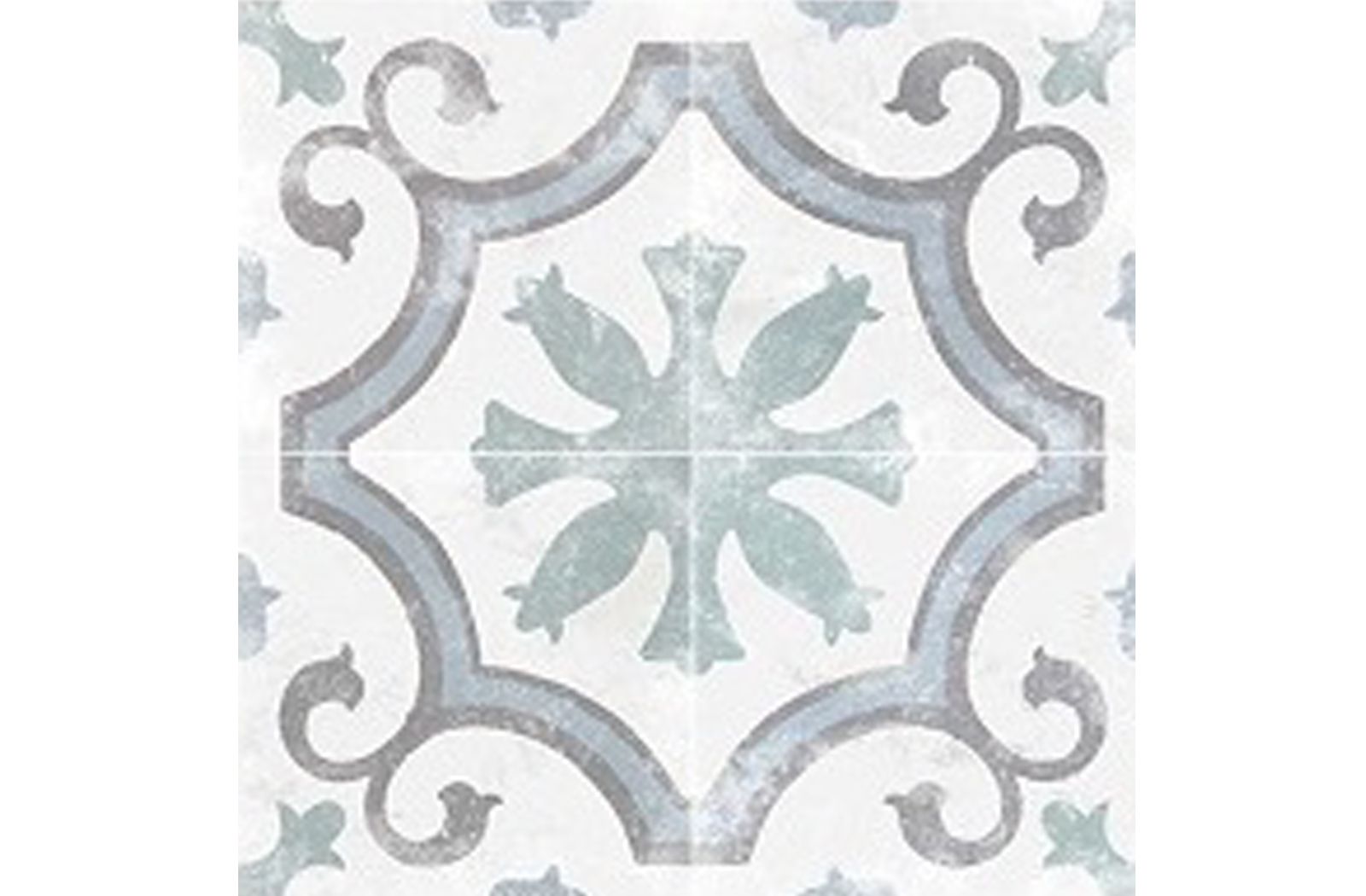
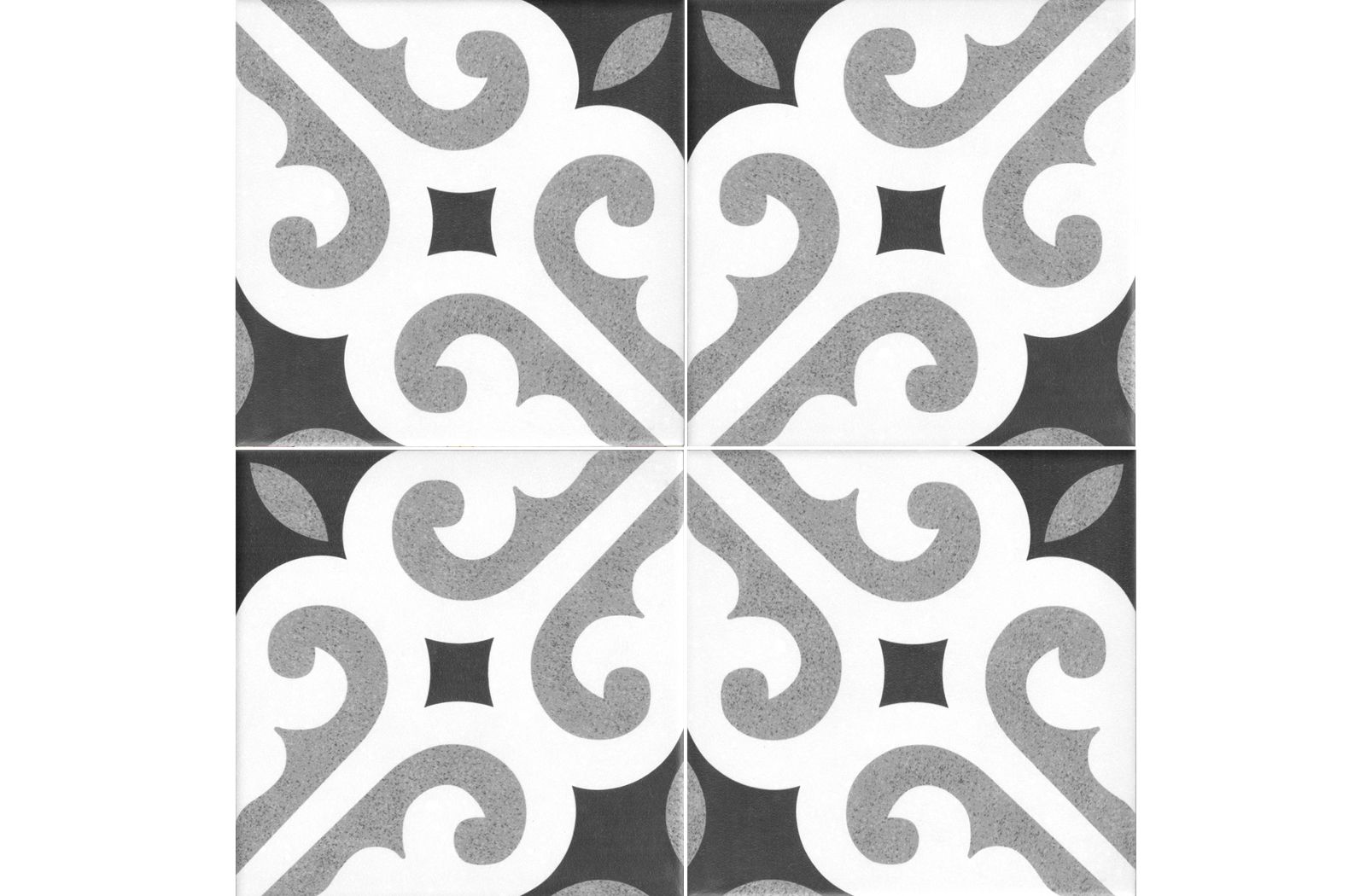
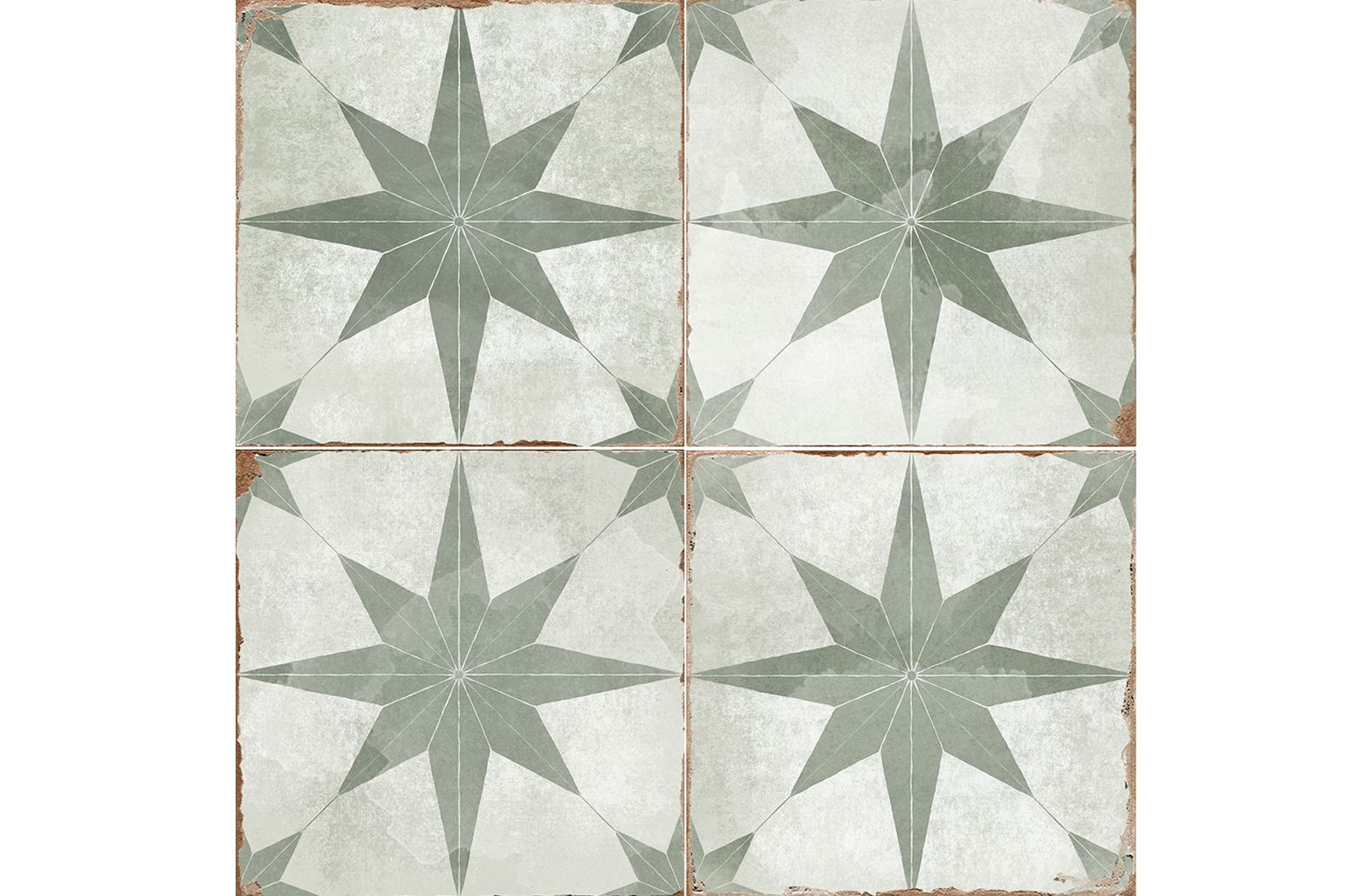
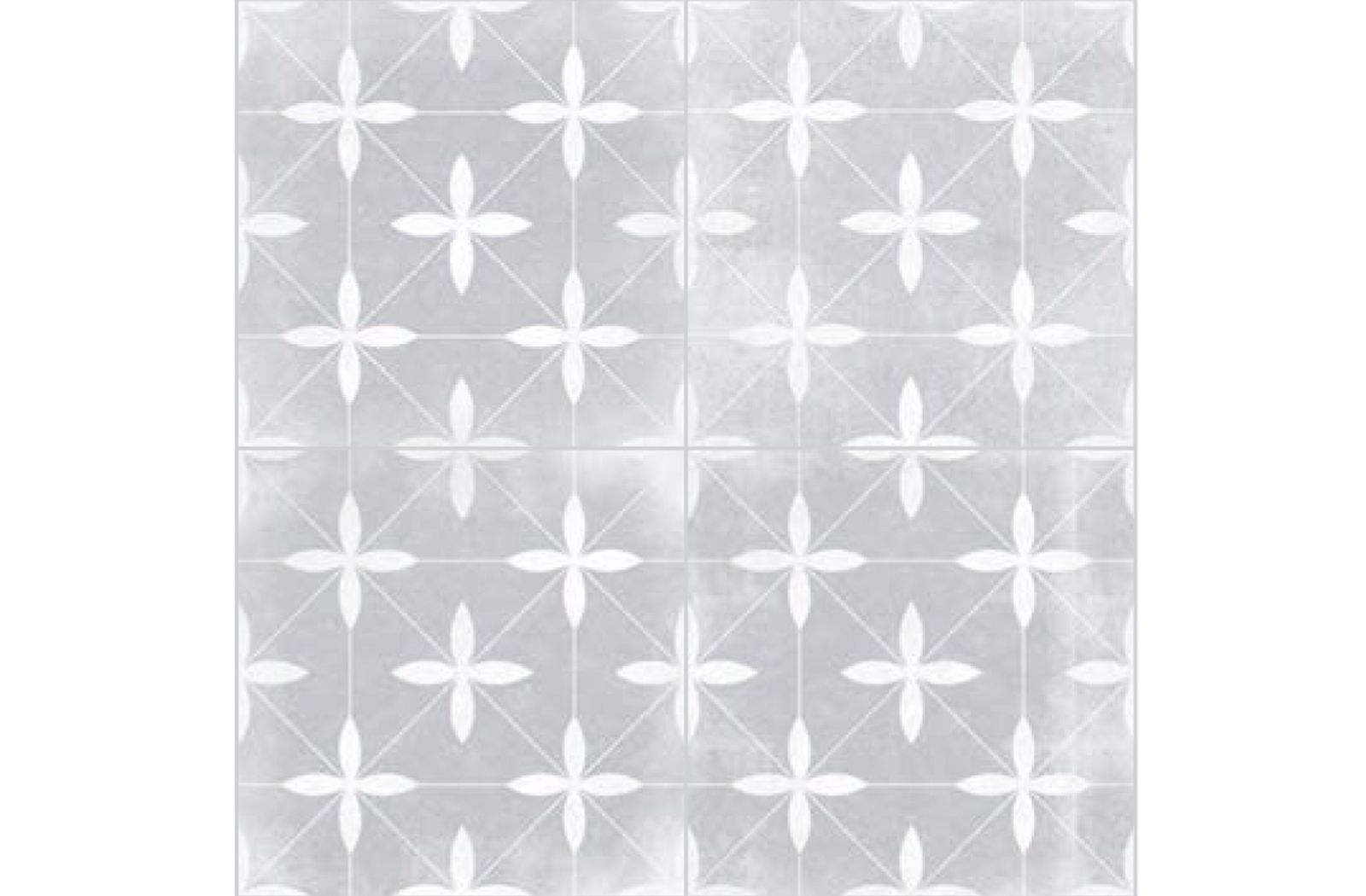
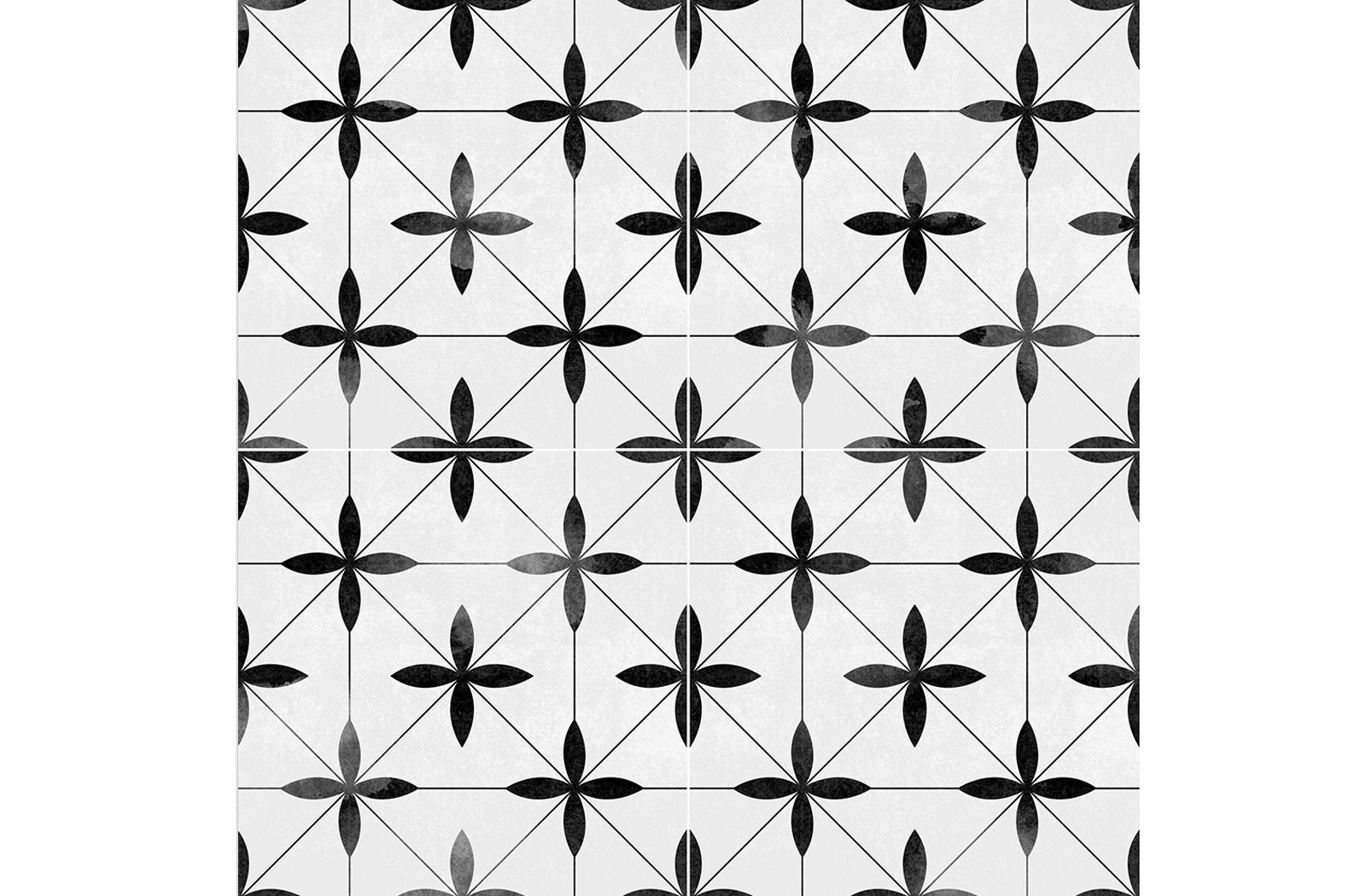
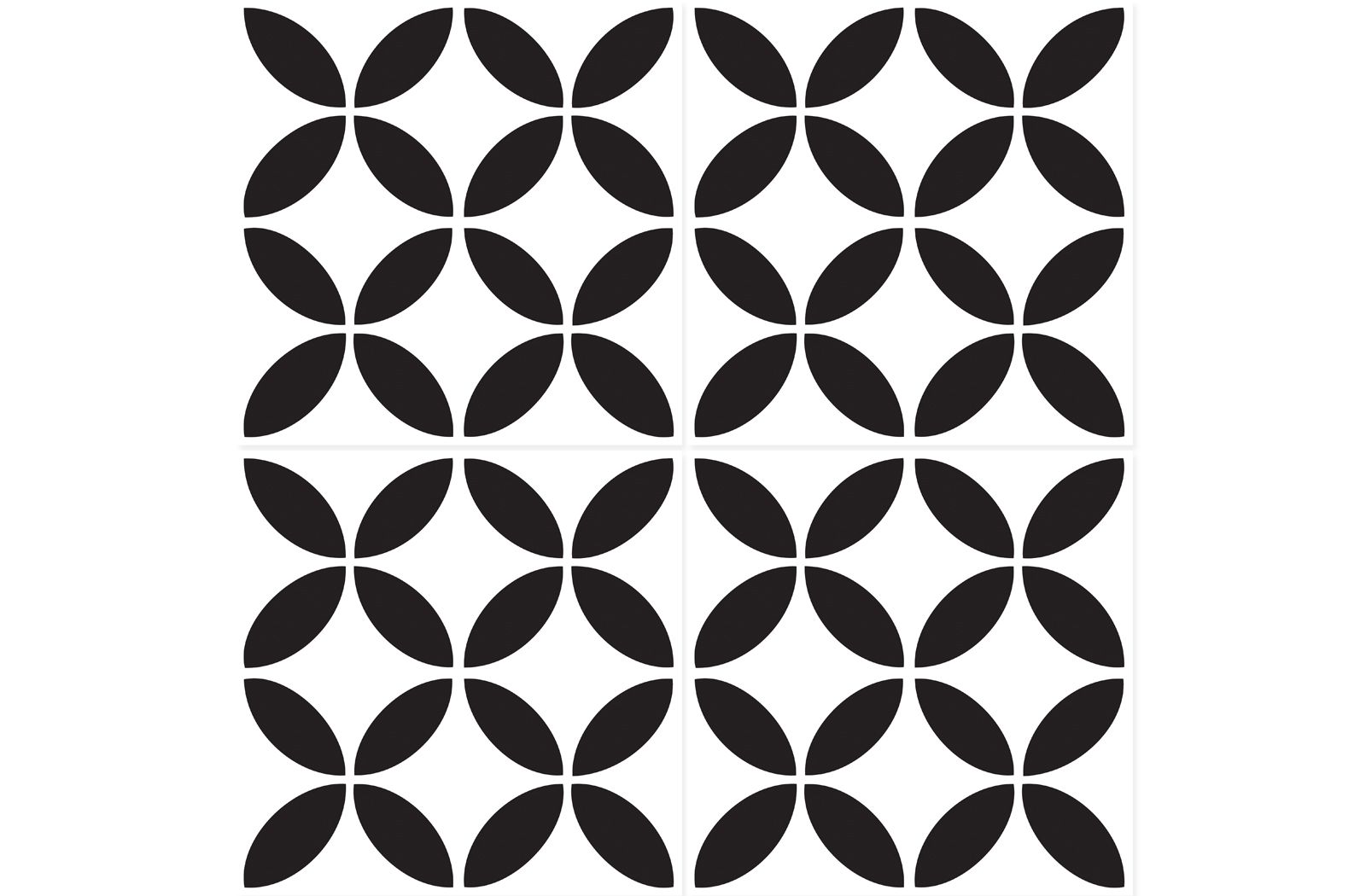
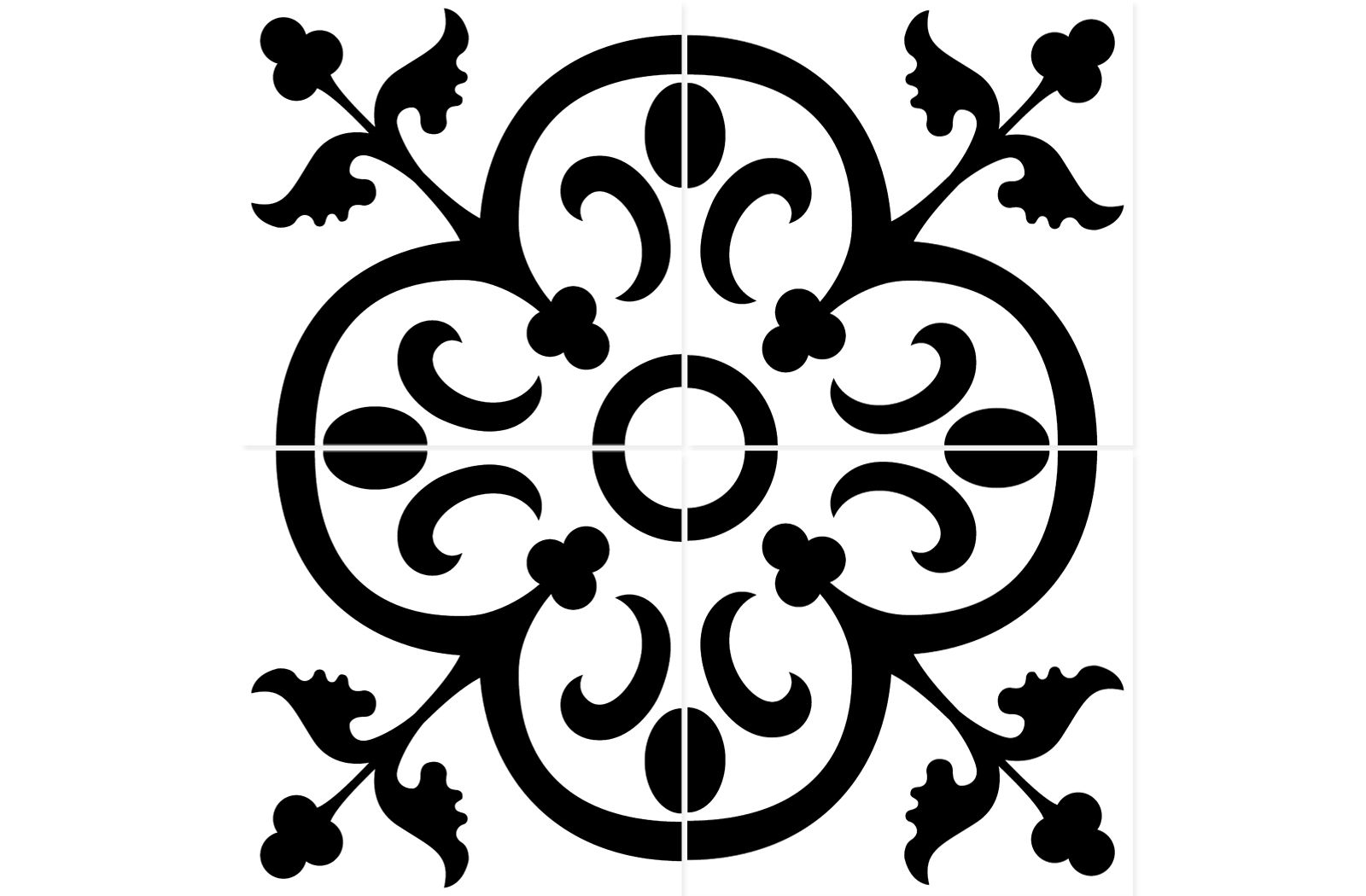
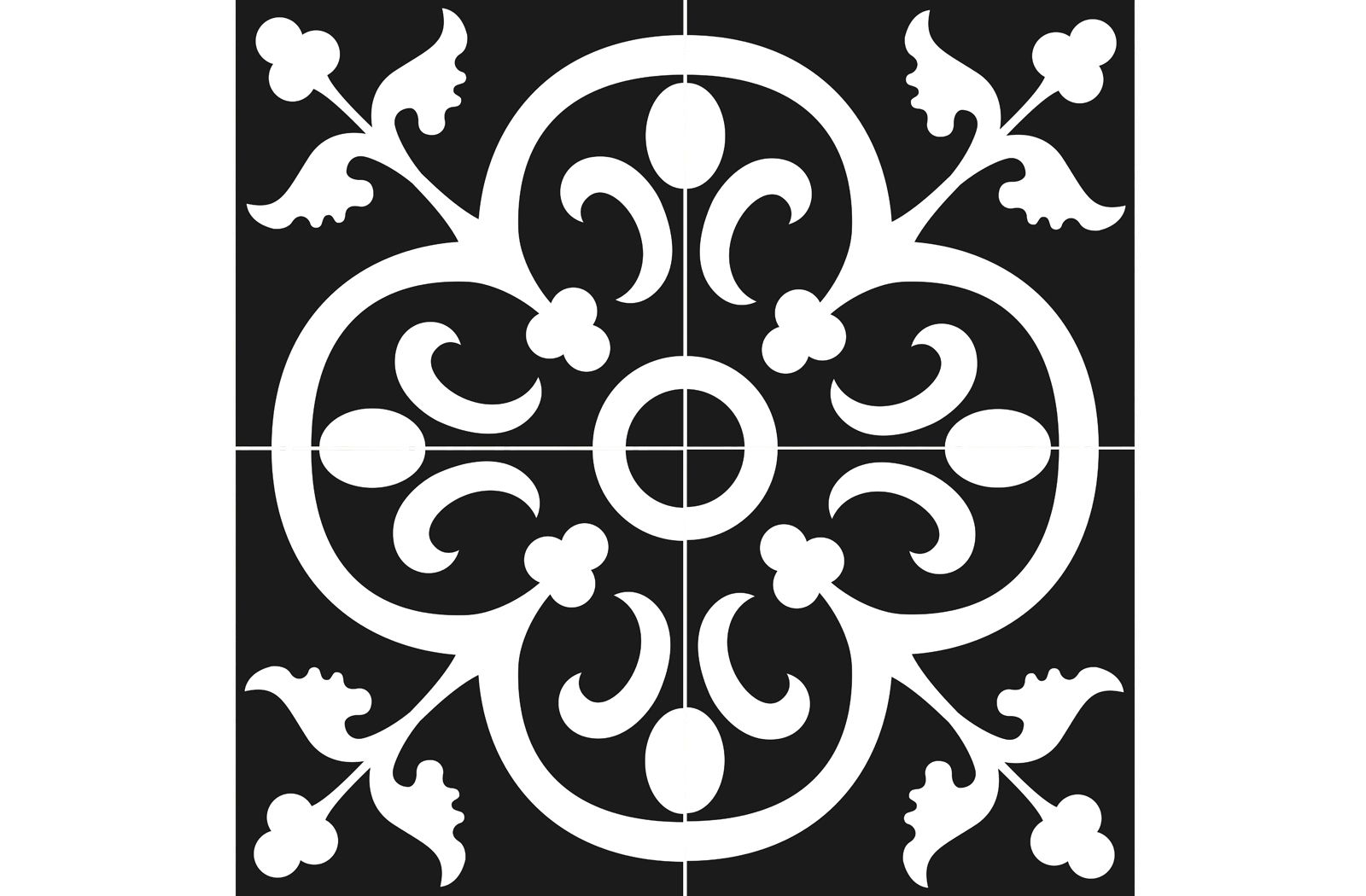
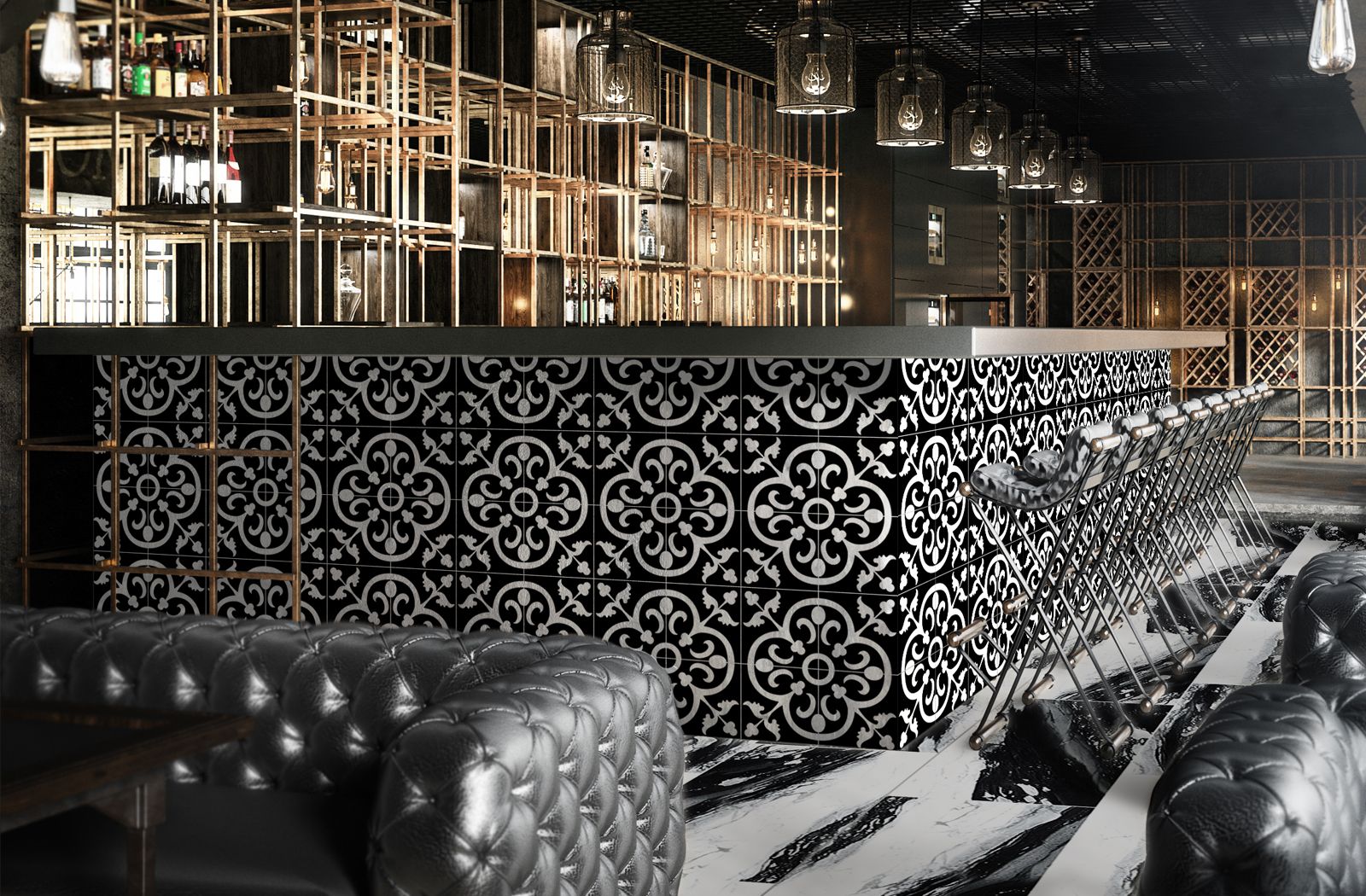
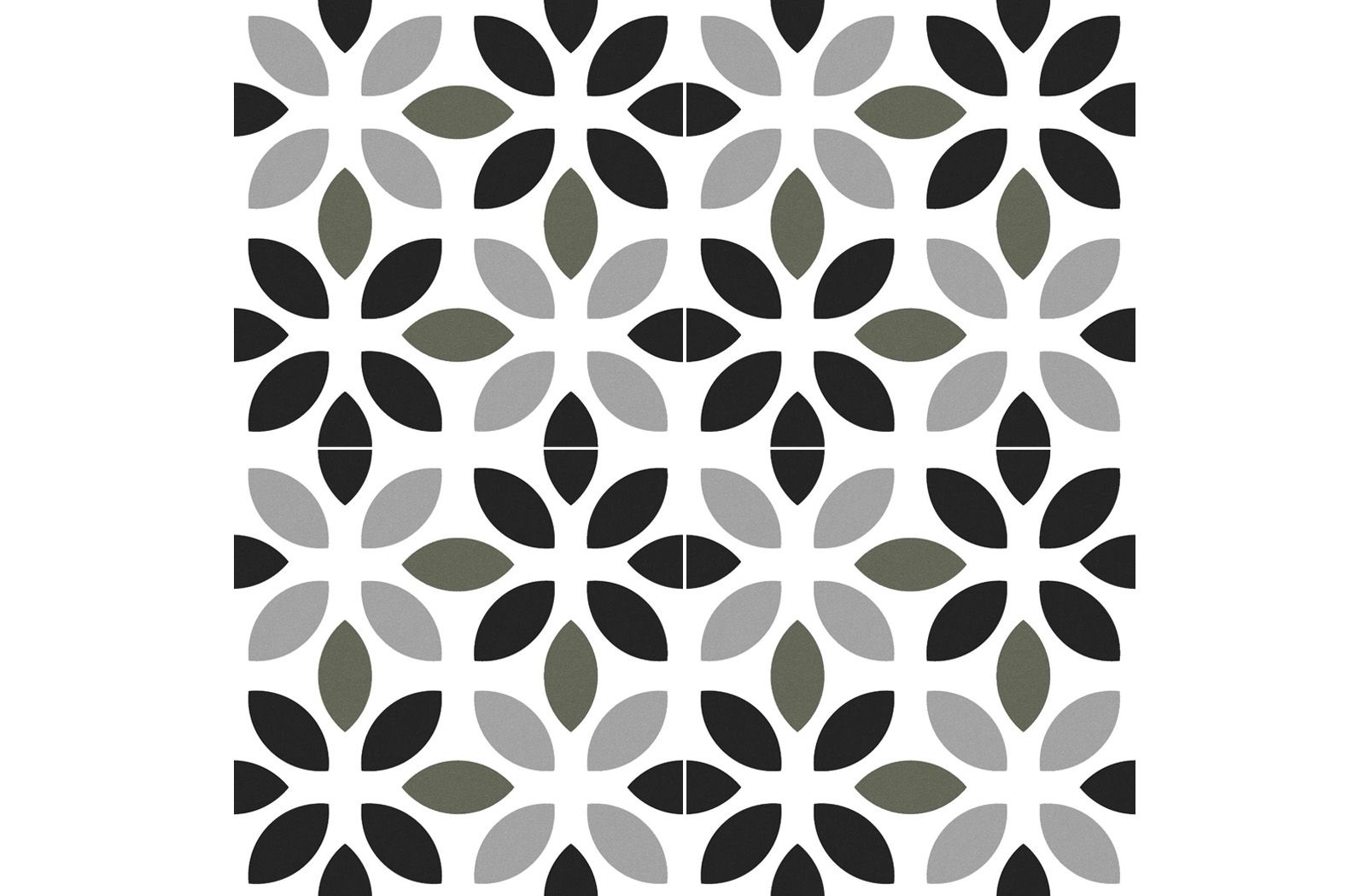
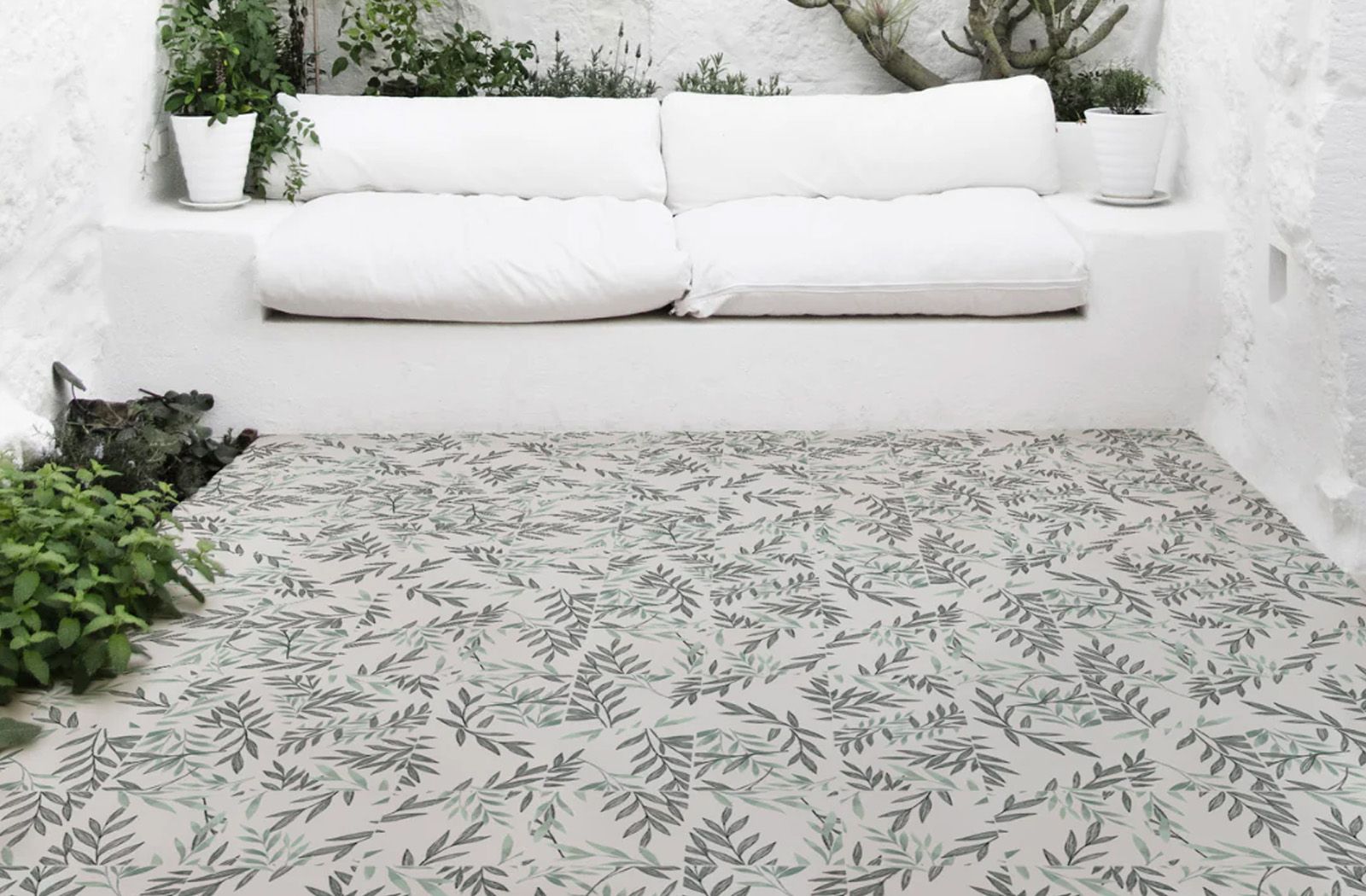
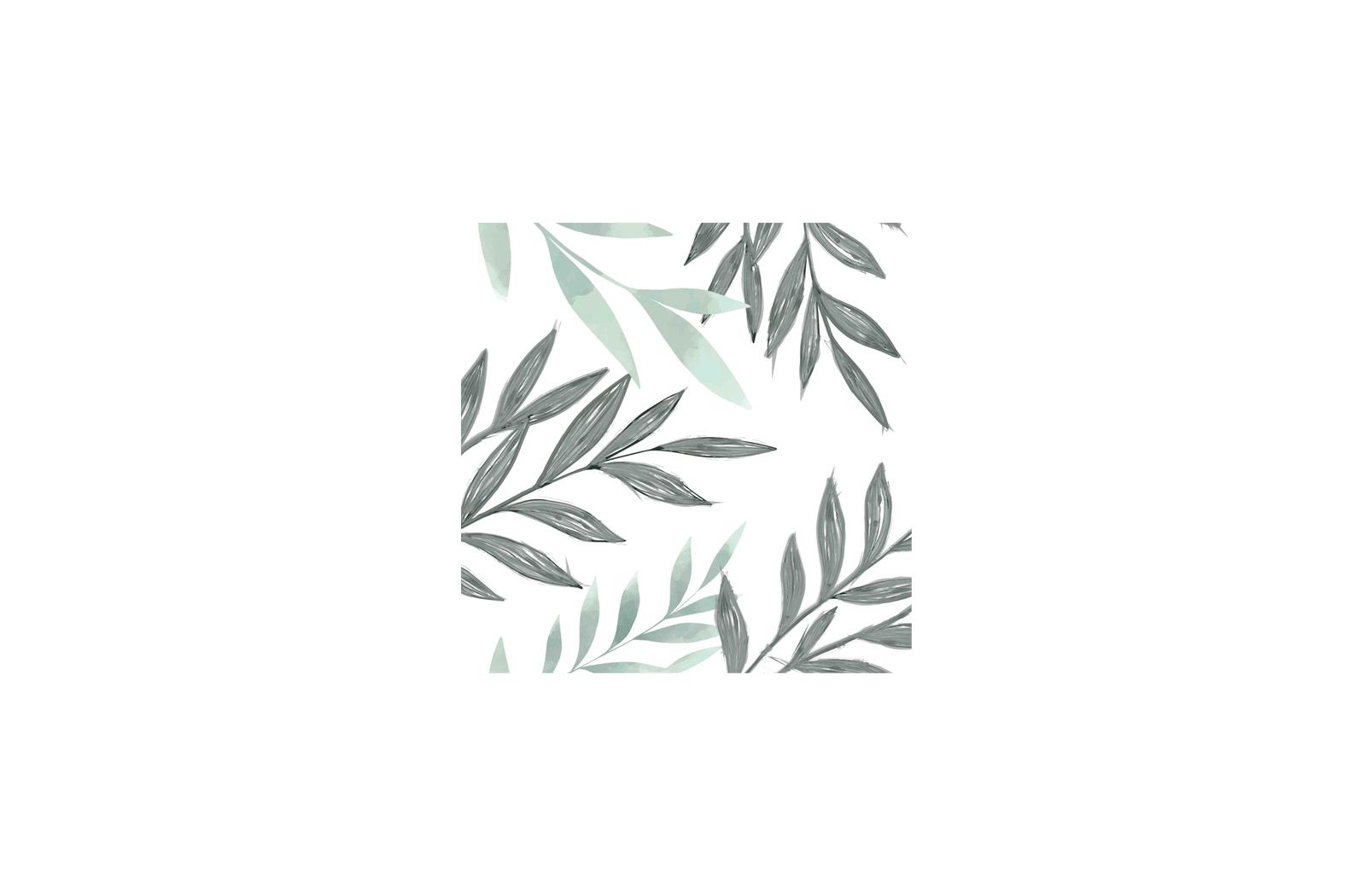
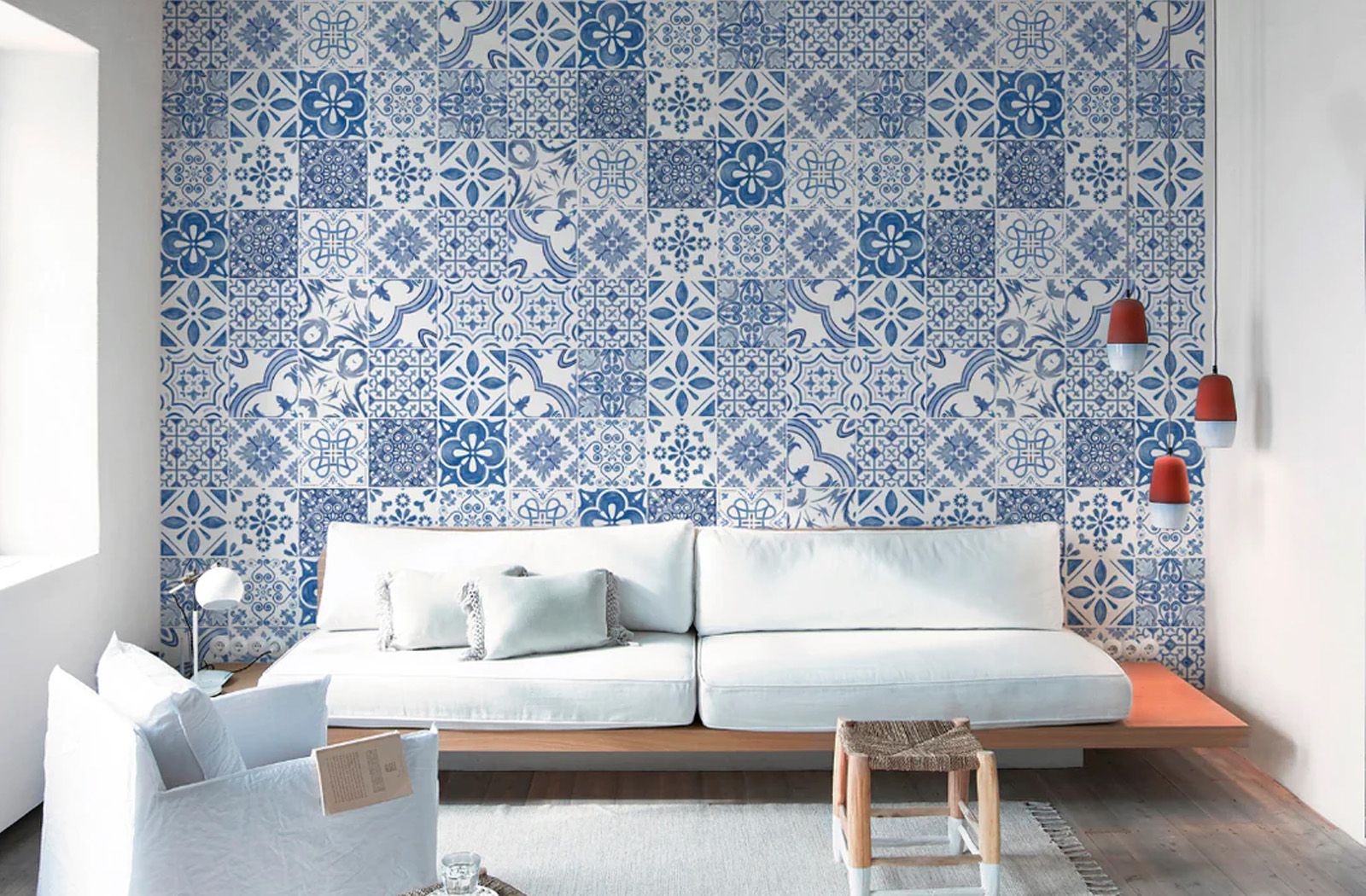
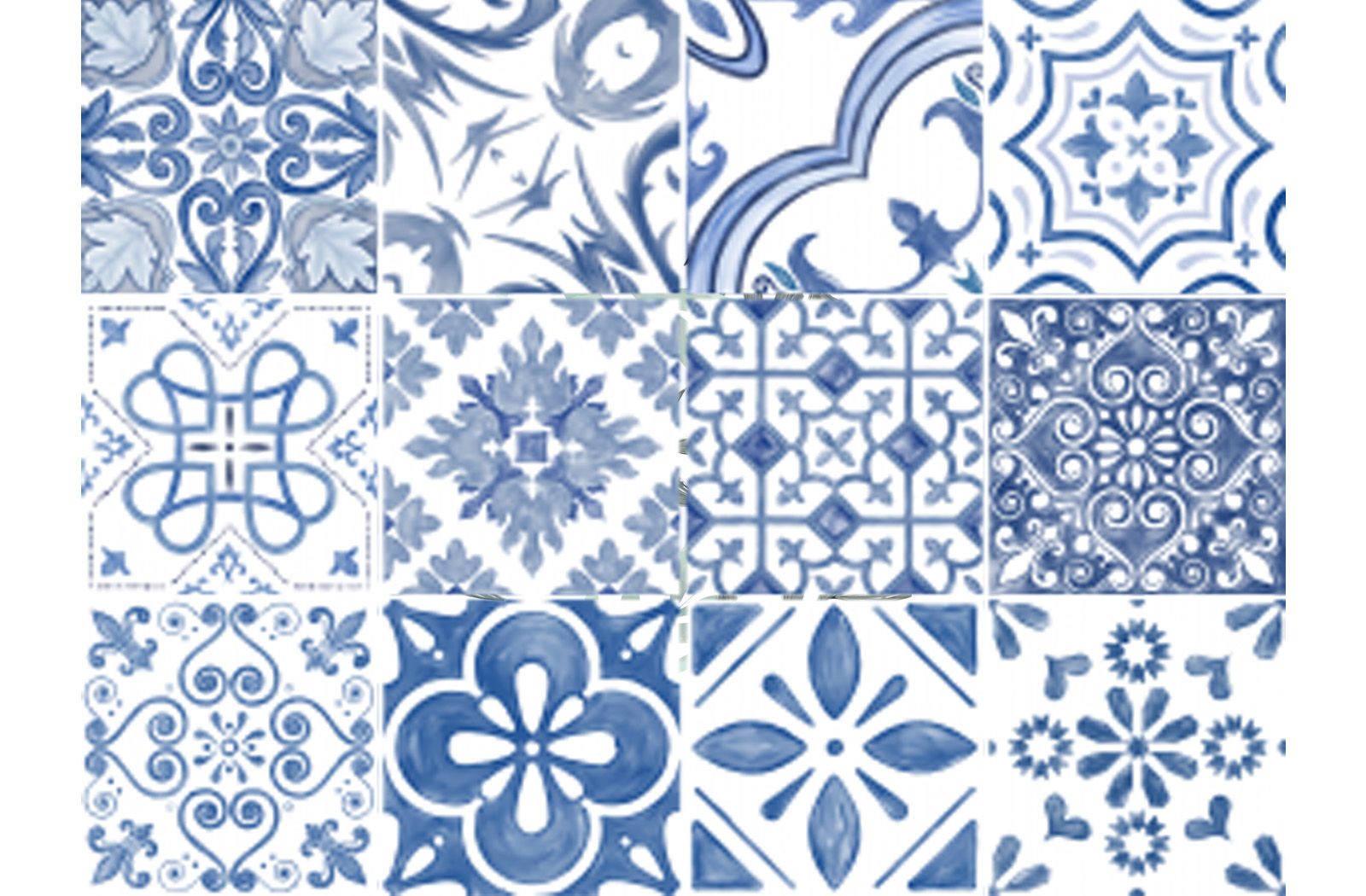
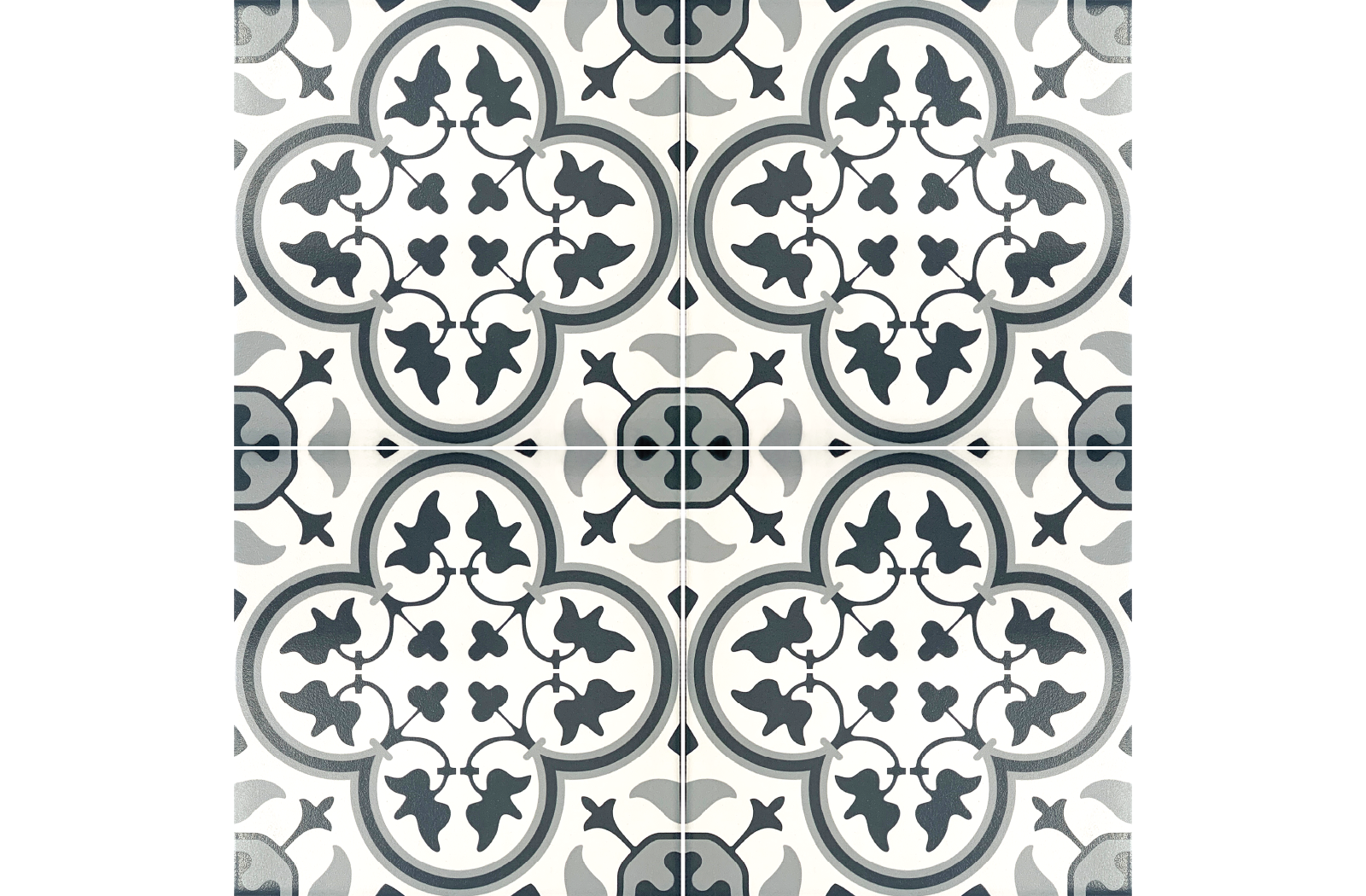
The Picasso’s MVG tile collection showcases distinctive patterns that are suitable for both wall and floor applications. Available in different patterns for selection.
MATERIAL
Glazed Porcelain Tile
APPLICATION
Floor
Wall
Slip Rating
R9
COUNTRY OF ORIGIN
China
AVAILABLE DIMENSIONS
(L)200 × (W)200 mm
FINISH
Matt
Slip Rating
R9
FINISH
Matt
you may also be interested in
Tetuan
Inspired by the rich textures of terracotta, the Tetuan tile collection is born in five captivating colours: Arena, Cotto and Terra. This collection pays homage to the exquisite Moroccan ornamental tradition. What distinguishes the Tetuan collection is its remarkable matt-gloss contrast, achieved with state-of-the-art grits using Digital GRIT technology.
Lamin
The Lamin tile collection captures the harmony of nature and concrete in an XL porcelain format, perfect for transforming your interior space.
HF631998
Brown porcelain tiles can create modest looks or evoke a more traditional feeling. HF631998 does just that. Suitable for bathroom and kitchen wall and floors.
Stone Quartz
"The Northern Stone"
Stonequartz is porcelain stoneware inspired by quartzite, of which it recaptures the typical texture in three colours: off-white, luminous grey and warm beige.

Patinata
This surface treatment combines the use of diamond discs and brushes. The result is a soft and elegant surface with waxy reflections. By means of a special procedure, patented by Cotto d’Este, the Stonequartz Patinata series undergoes, between pressing and decorating, a further honing treatment.​

Fiammata
This unique and recognisable surface has been faithfully created using molds from natural stones. Flash effect texturing can only be performed on certain types of stone (granite, for instance, that has a high content of quartz). It consists of singeing the surface of the stone with a flame jet and then plunging the stone into water to obtain immediate cooling. The abrupt temperature change makes the stone expand and the result is a typically rough texture.