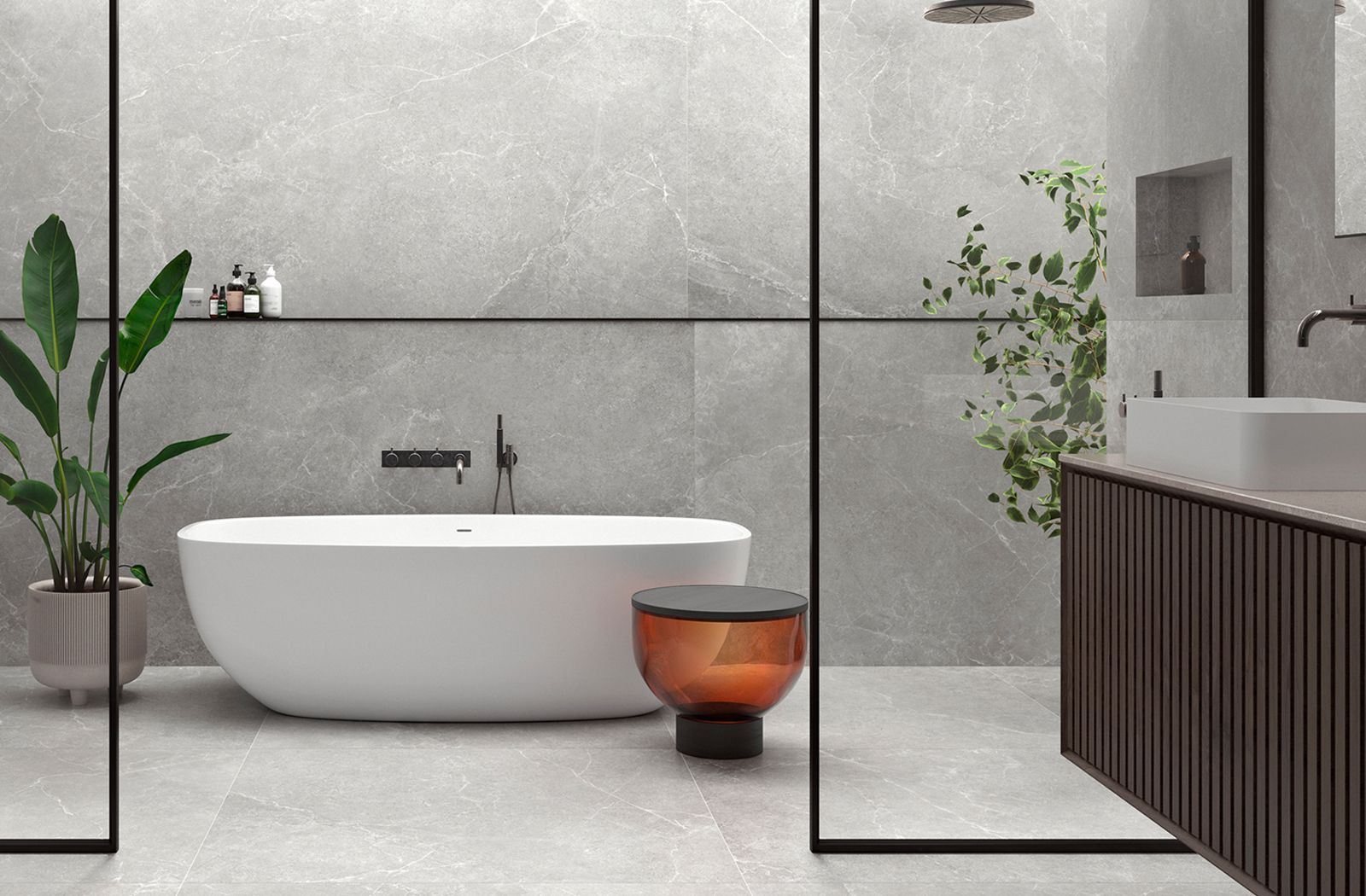
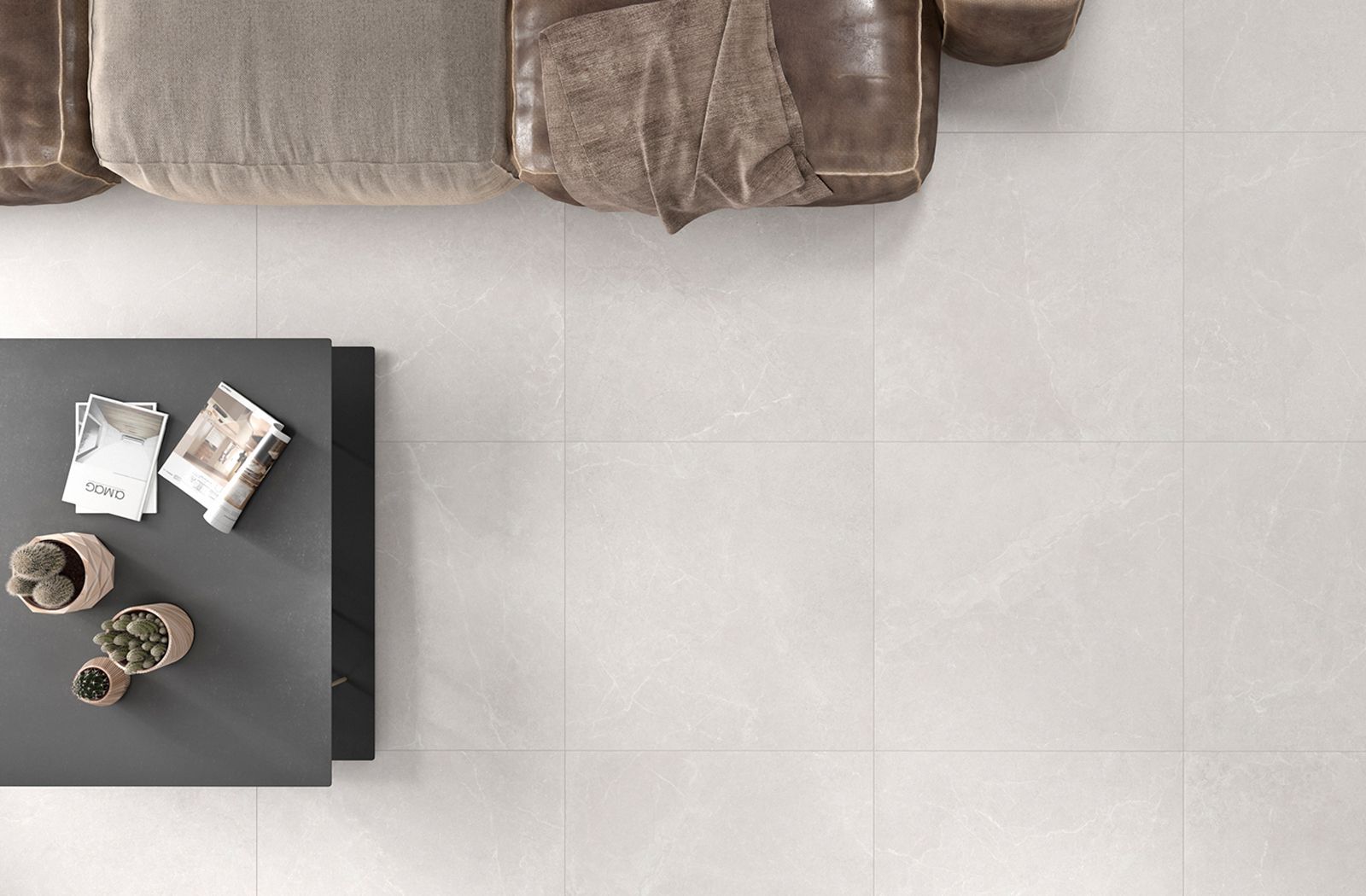
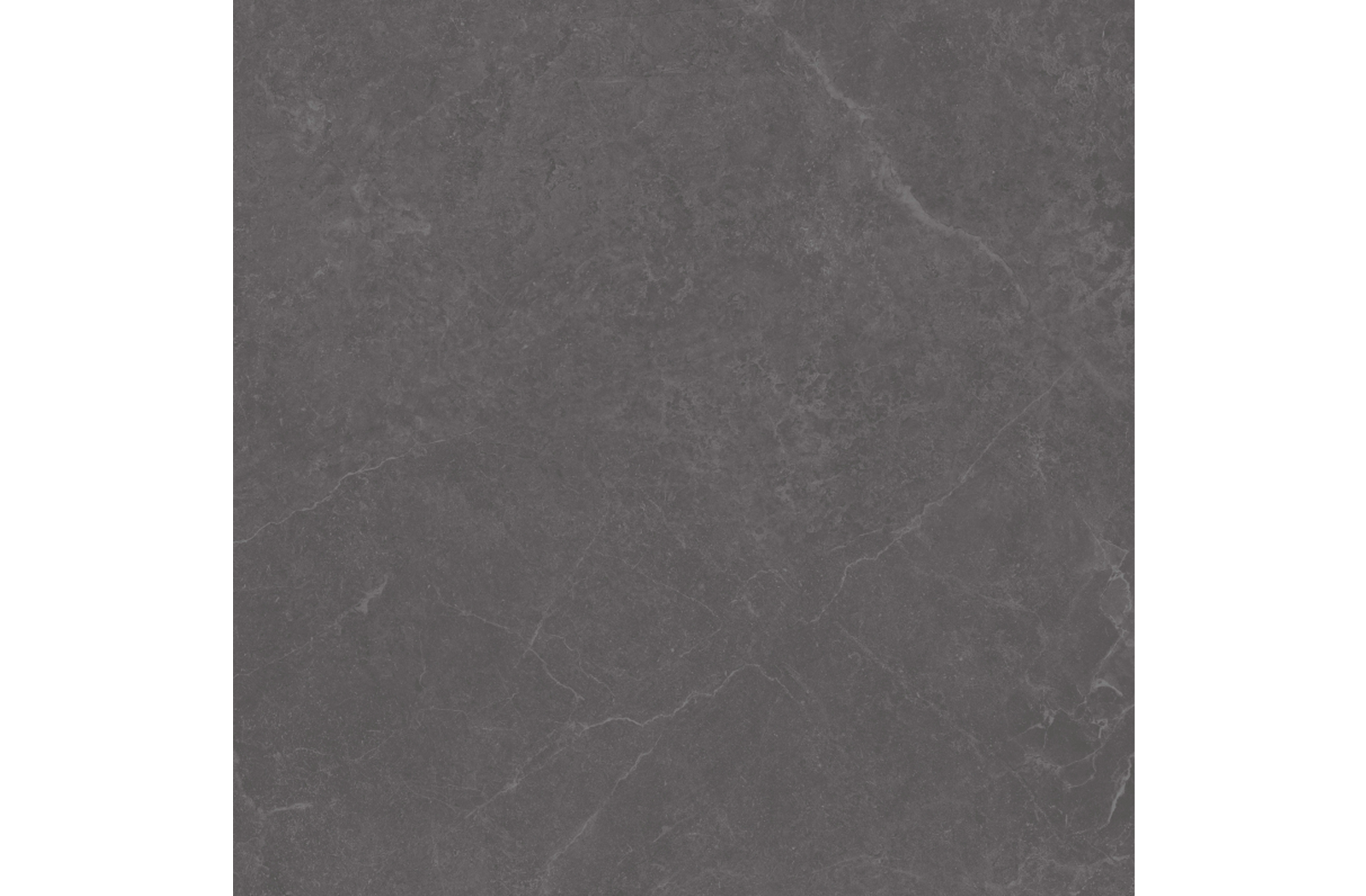
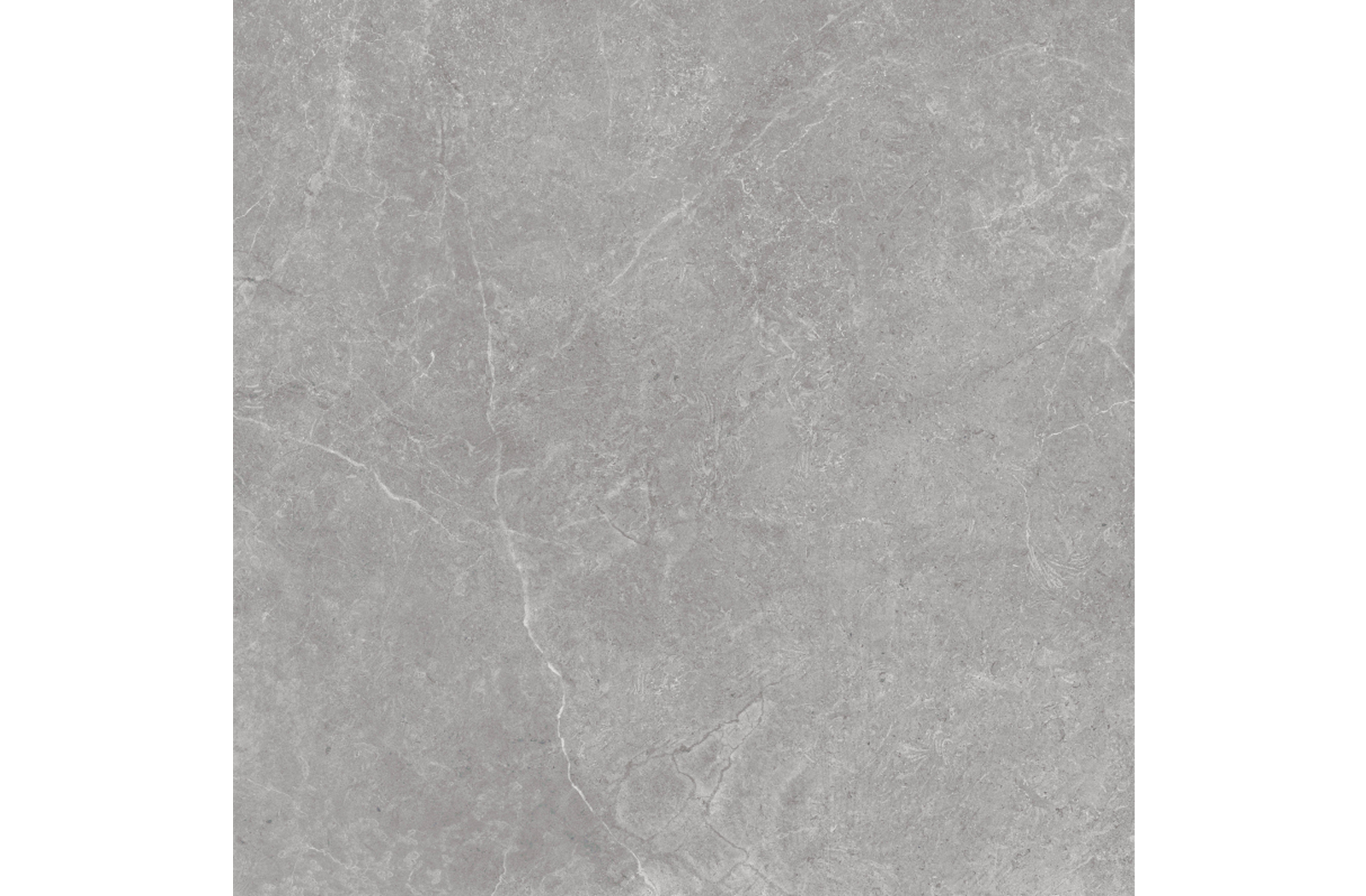
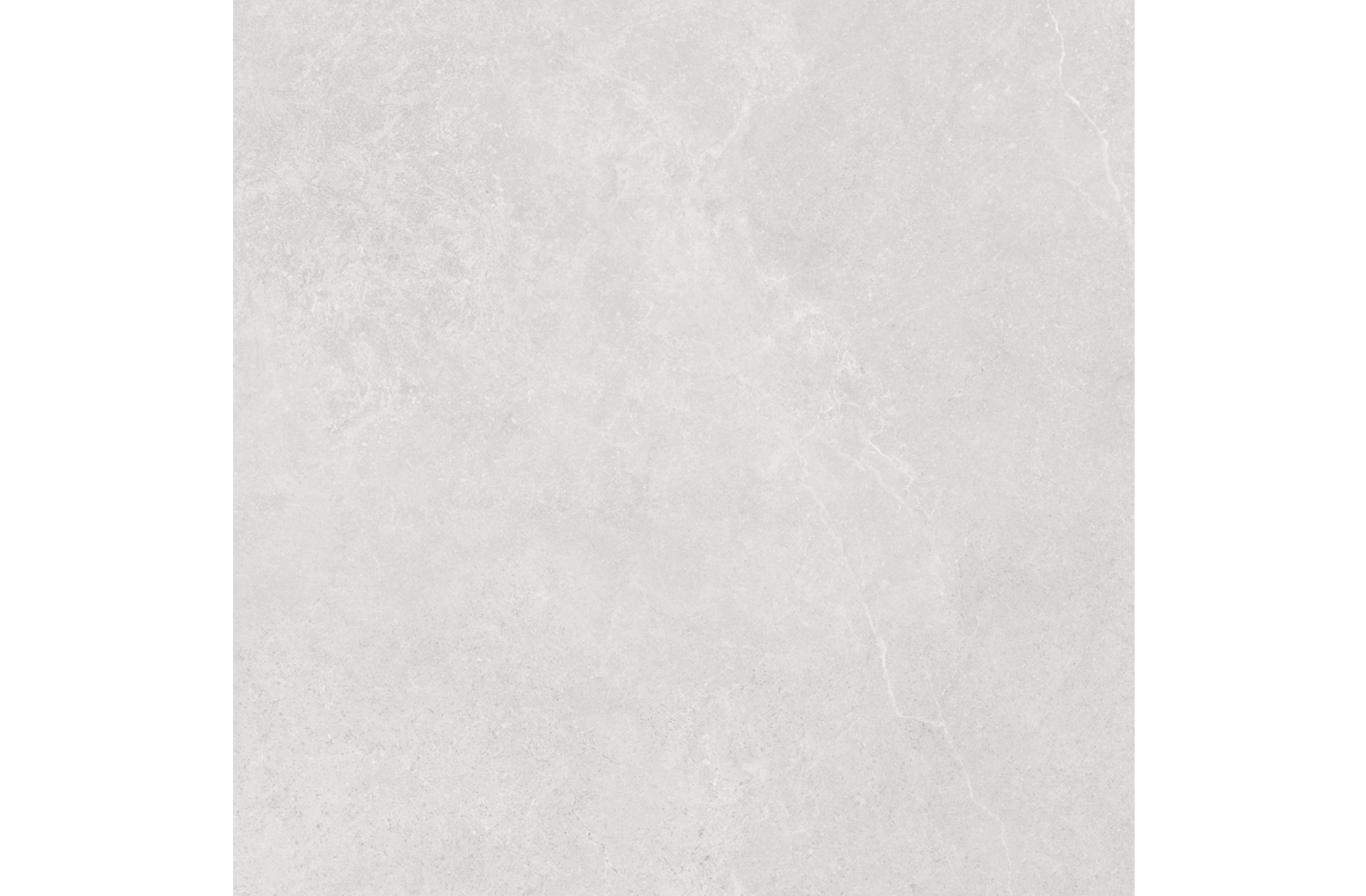
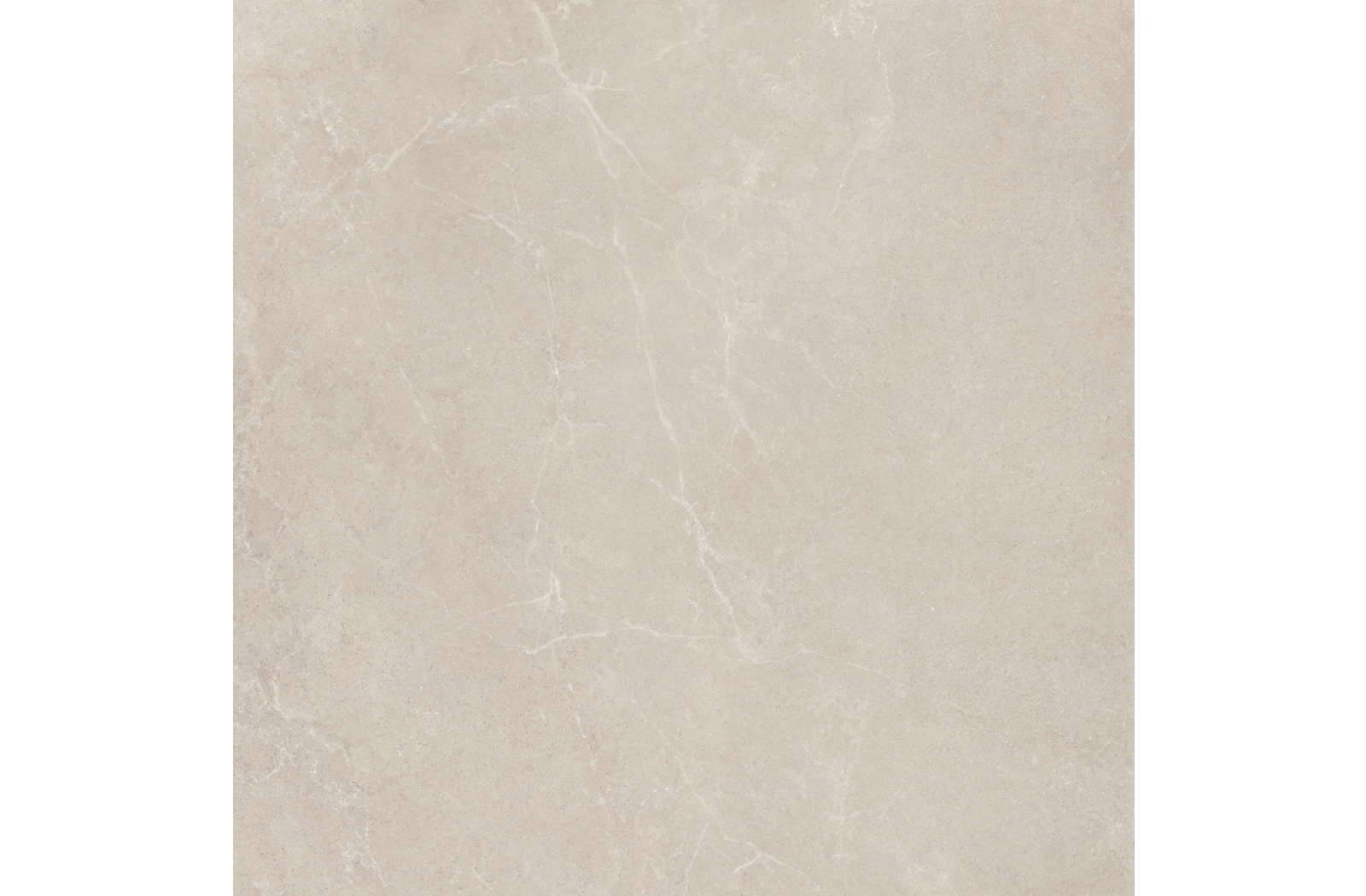
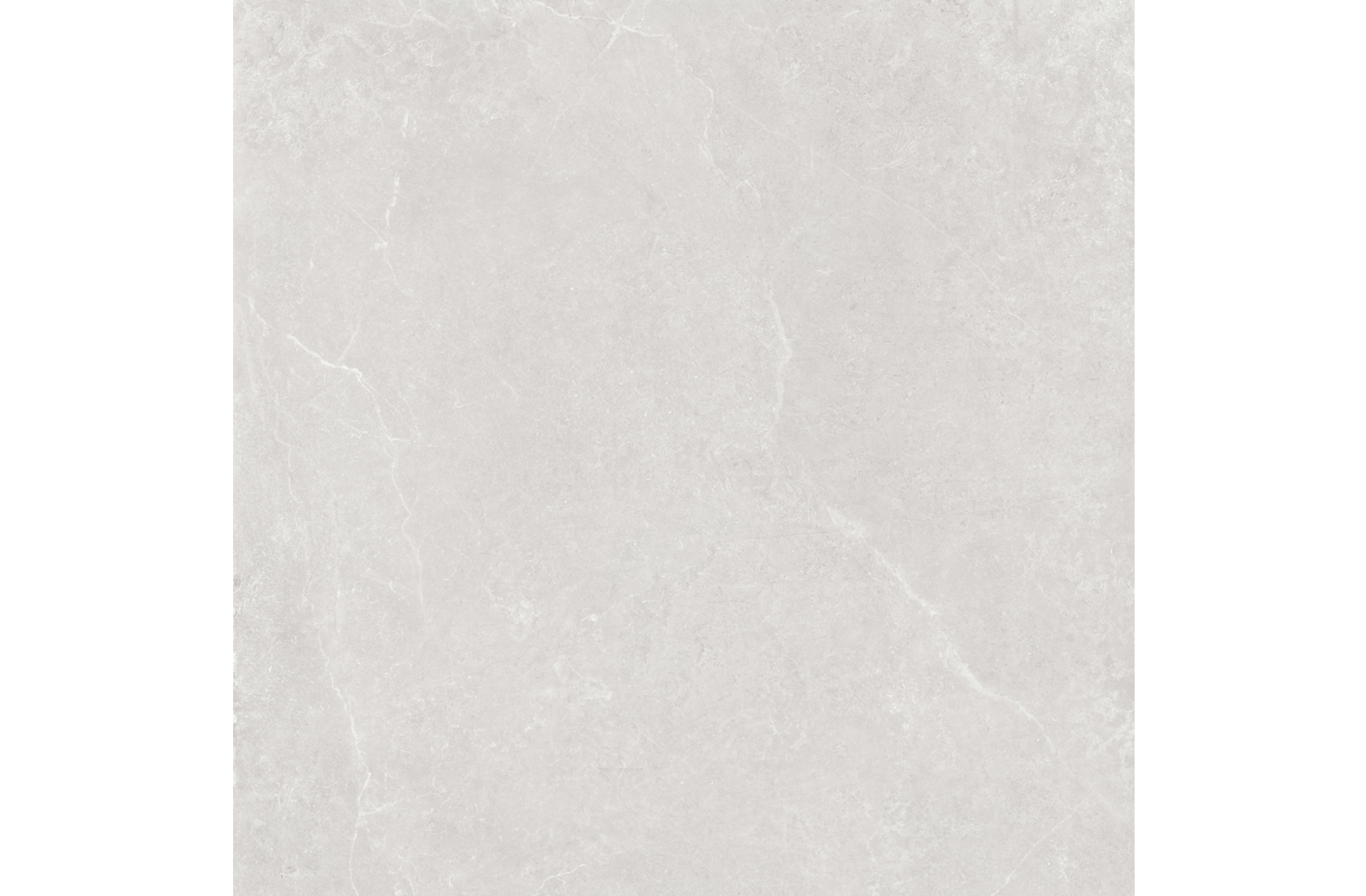
Storm is a porcelain tile collection designed for use in interiors to convey smoothness. Its structure’s smooth texture is combined with a balanced design.
Storm is a porcelain tile collection designed for use in interiors to convey smoothness. Its structure’s smooth texture is combined with a balanced design.
Storm is a porcelain tile collection designed for use in interiors to convey smoothness. Its structure’s smooth texture is combined with a balanced design.
Storm is a porcelain tile collection designed for use in interiors to convey smoothness. Its structure’s smooth texture is combined with a balanced design.
Storm is a porcelain tile collection designed for use in interiors to convey smoothness. Its structure’s smooth texture is combined with a balanced design.
Storm is a porcelain tile collection designed for use in interiors to convey smoothness. Its structure’s smooth texture is combined with a balanced design.
Storm is a porcelain tile collection designed for use in interiors to convey smoothness. Its structure’s smooth texture is combined with a balanced design.