back to top
TB
'TB26601MG
 
 
TB
TB26601MG
COLOURS & STYLES
BACK
THE STORY
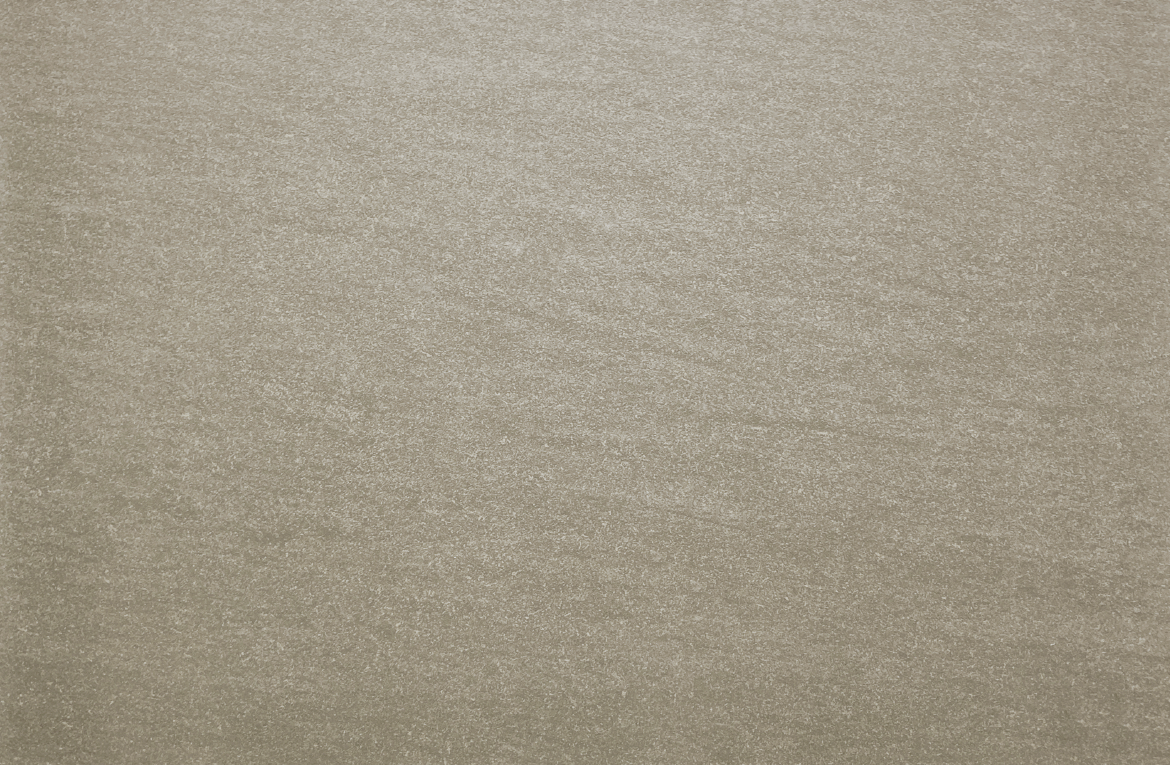
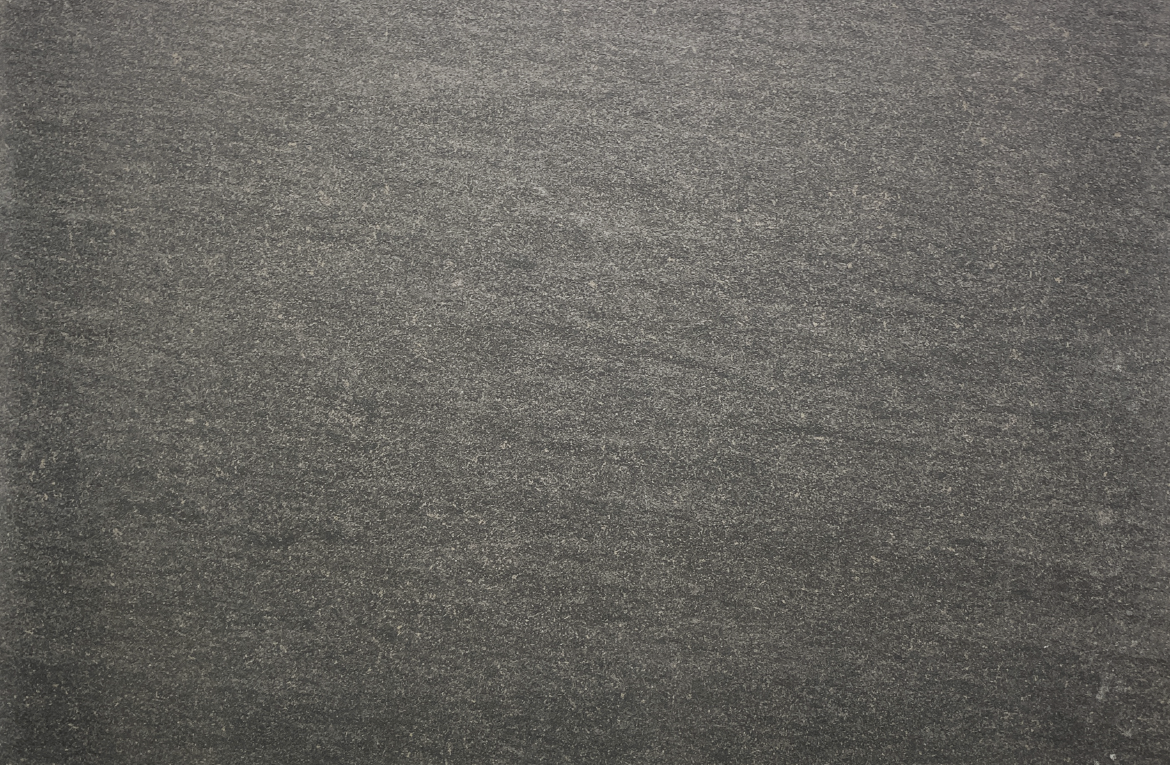
The TB tile collection inspires from the rocks of Italy’s Mount Etna. Thanks to the super solid dry-grain technology, TB tile collection features a raw stone texture in two earthy shades. The combination gives it a contemporary appearance that is faithful to the original material.
In a thickness of 20mm, the full-bodied porcelain tile is suitable for floor applications.
MATERIAL
Glazed Porcelain Tile
APPLICATION
Floor
COUNTRY OF ORIGIN
China
VARIATION
Shade and Veins Variation
AVAILABLE DIMENSIONS
(L)600 × (W)600 × (H)20 mm
you may also be interested in
Anthology
// While stocks last, terms and conditions apply. Hafary reserves the right to change these prices without prior notice. Prices subject to GST. For more information, email us at enquiry@hafary.com.sg //

Anthology tile collection: The harmonious combination of various types of marble and stone with opposite styles results in new and original mineral forms that express strong and unmistakable personalities. Anthology encapsulates an exciting research that spans the entire globe and that testifies to an ambitious challenge: to emulate the inexhaustible creativity of nature.

The technical and aesthetic qualities of Lea Ceramiche porcelain stoneware make Anthology a catalogue of original and distinctive design solutions suited to any architectural project. Versatile and resistant, these surfaces are easy to sanitise and, thanks to their integrated Protect® antibacterial technology, they eliminate up to 99.9% of bacteria.
IZ
IZ-TK50D mosaic tile collection introduces the charm of natural stone into interiors with intricate marble veins. It is suitable for most interior design schemes.
WR63B
The WR63B tile collection offers a simple and elegant wall tile solution with subtle sinuous lines. The collection is highly suitable for bathroom and kitchen wall application.
Lab_21
A warm, neutral colour range which creates an elegant, essential style. LAB_21 comes from the Mirage laboratories, and reinterprets the art of “cocciopesto”: precious floors obtained from crushed and ground roof tiles, lime and stones, known since the time of the Phoenicians, and a key material used in historical building in many Italian cities.