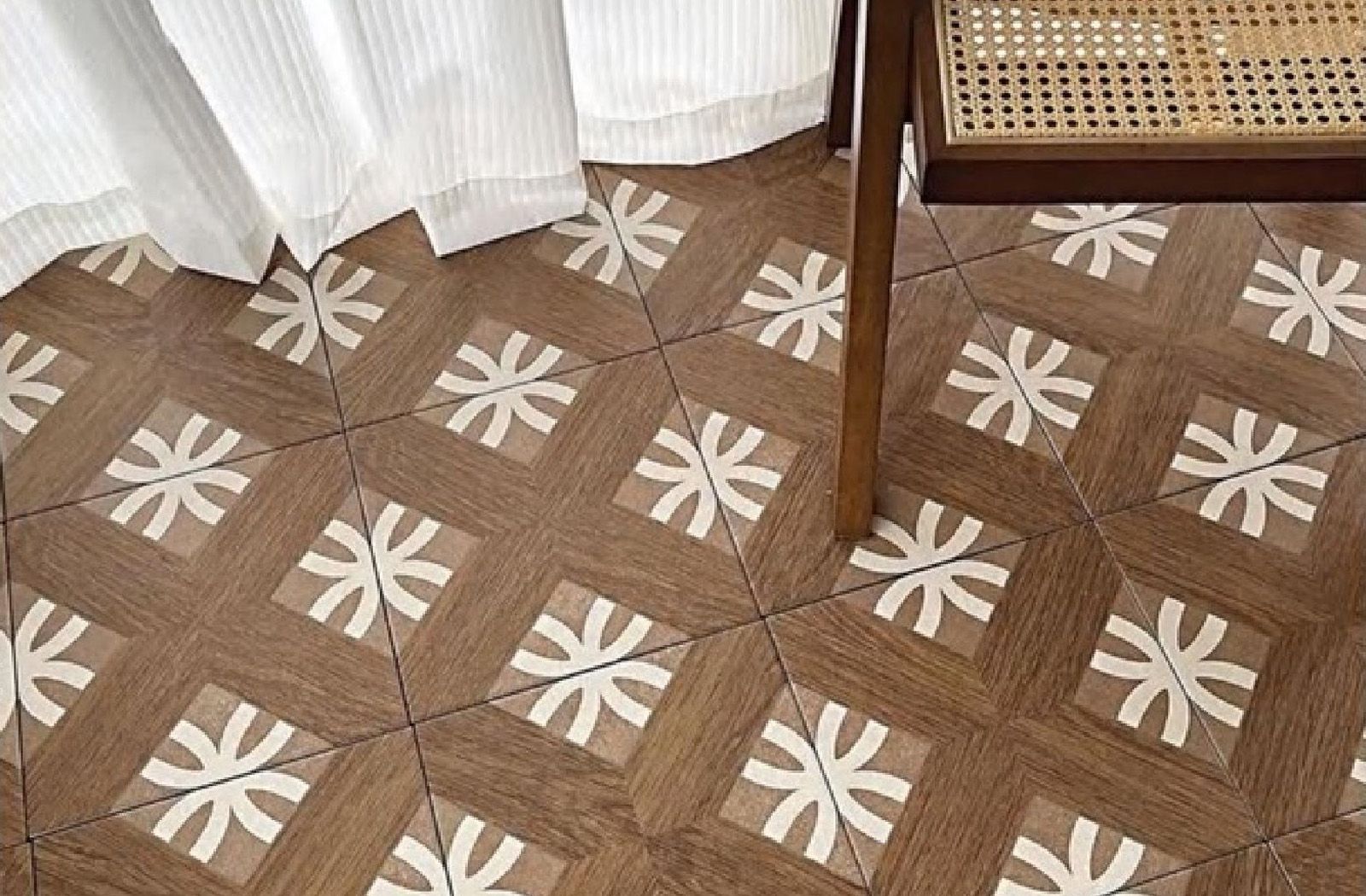
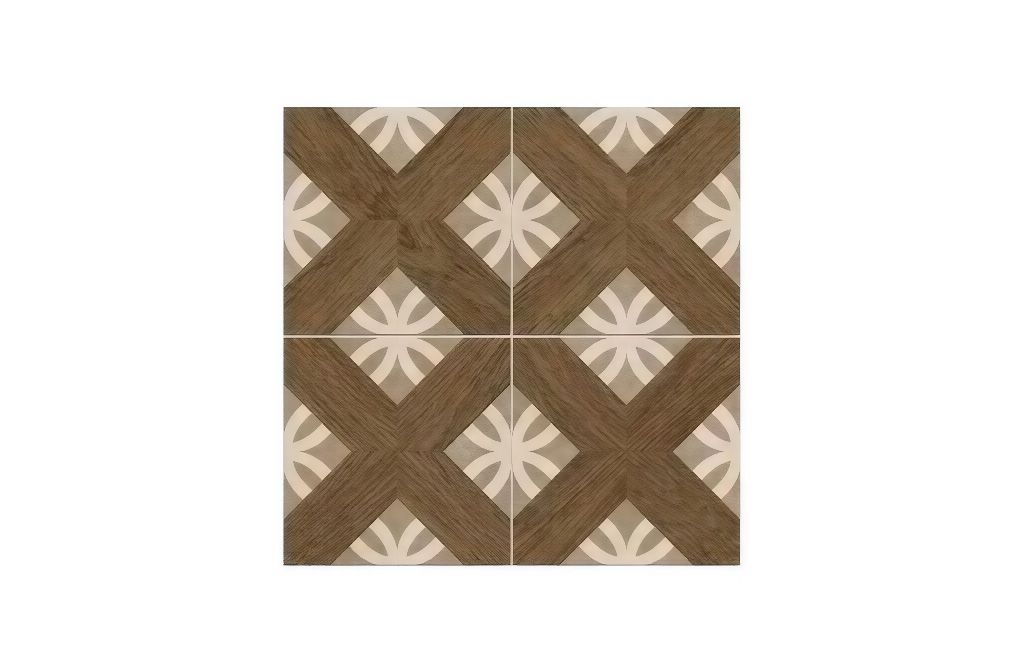
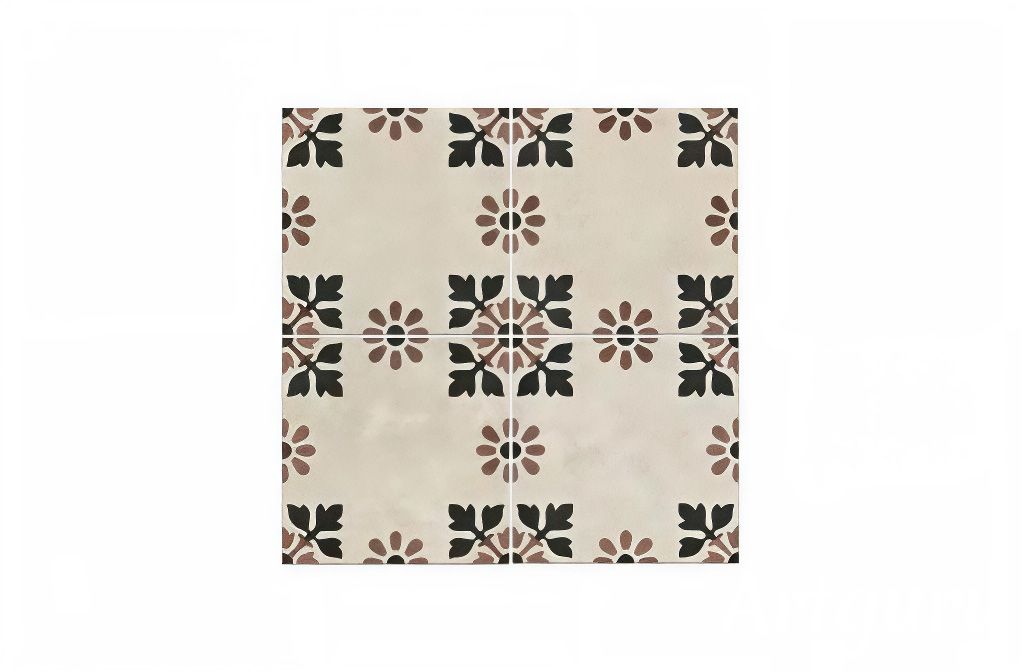
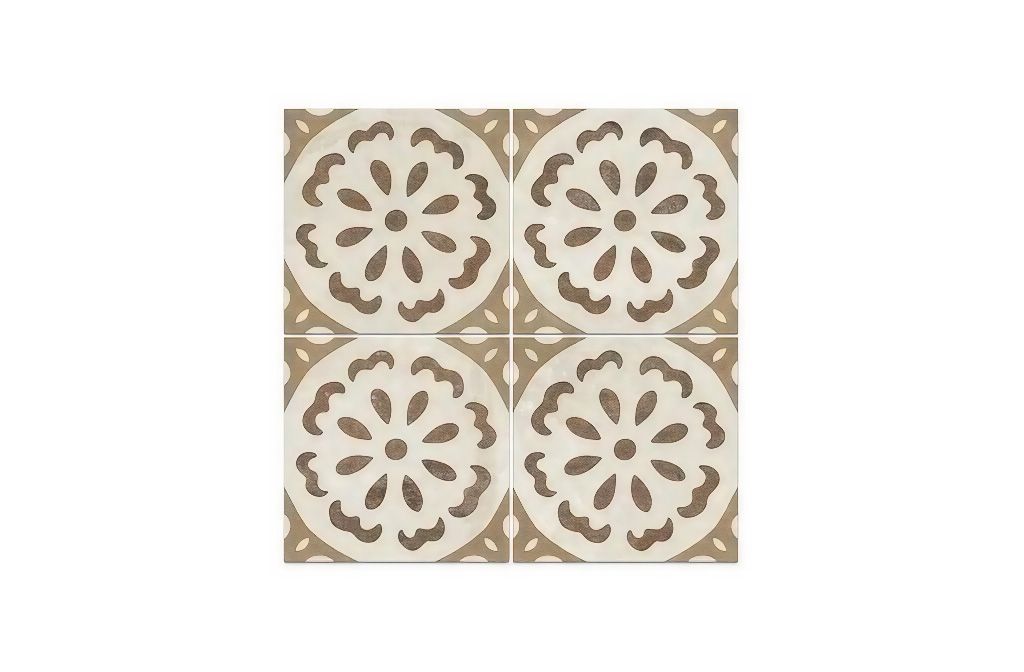
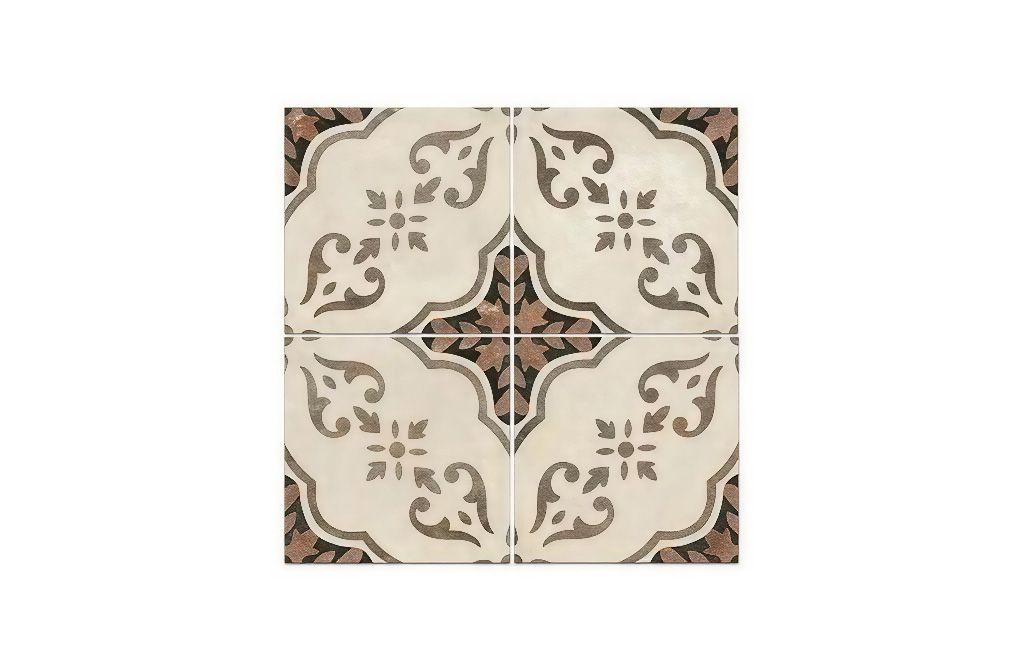
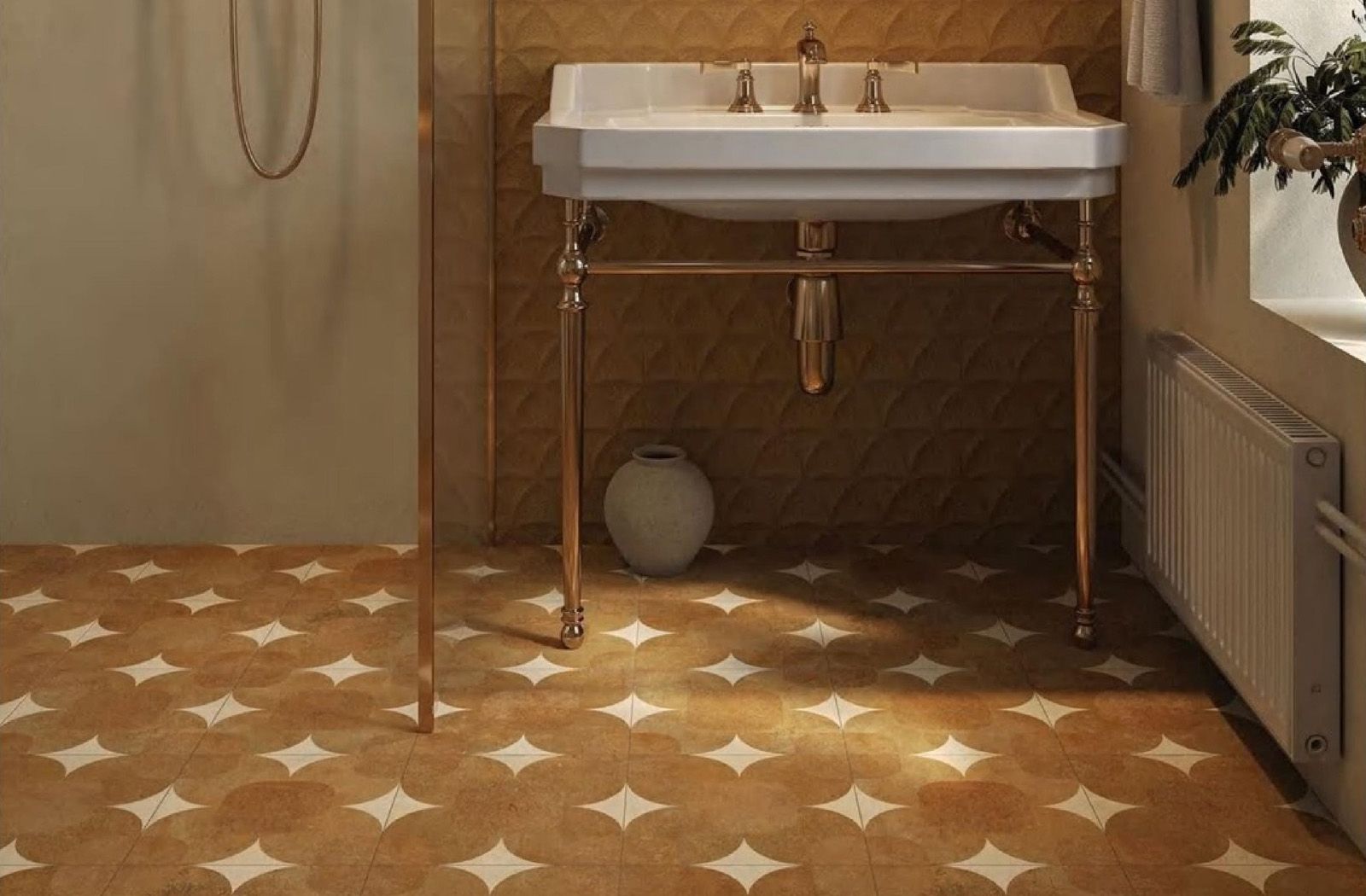
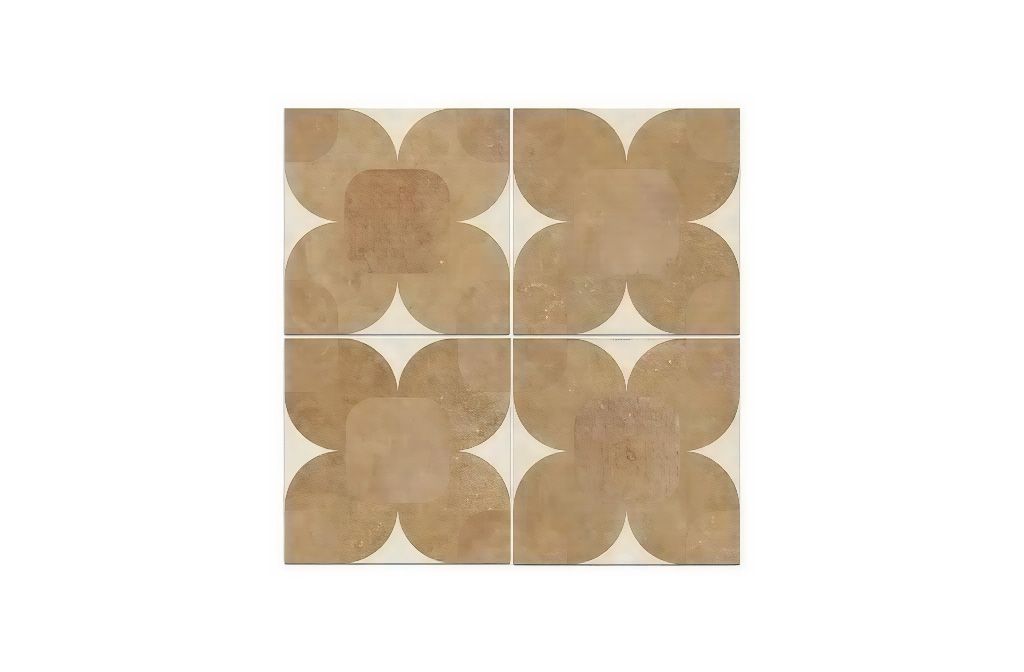
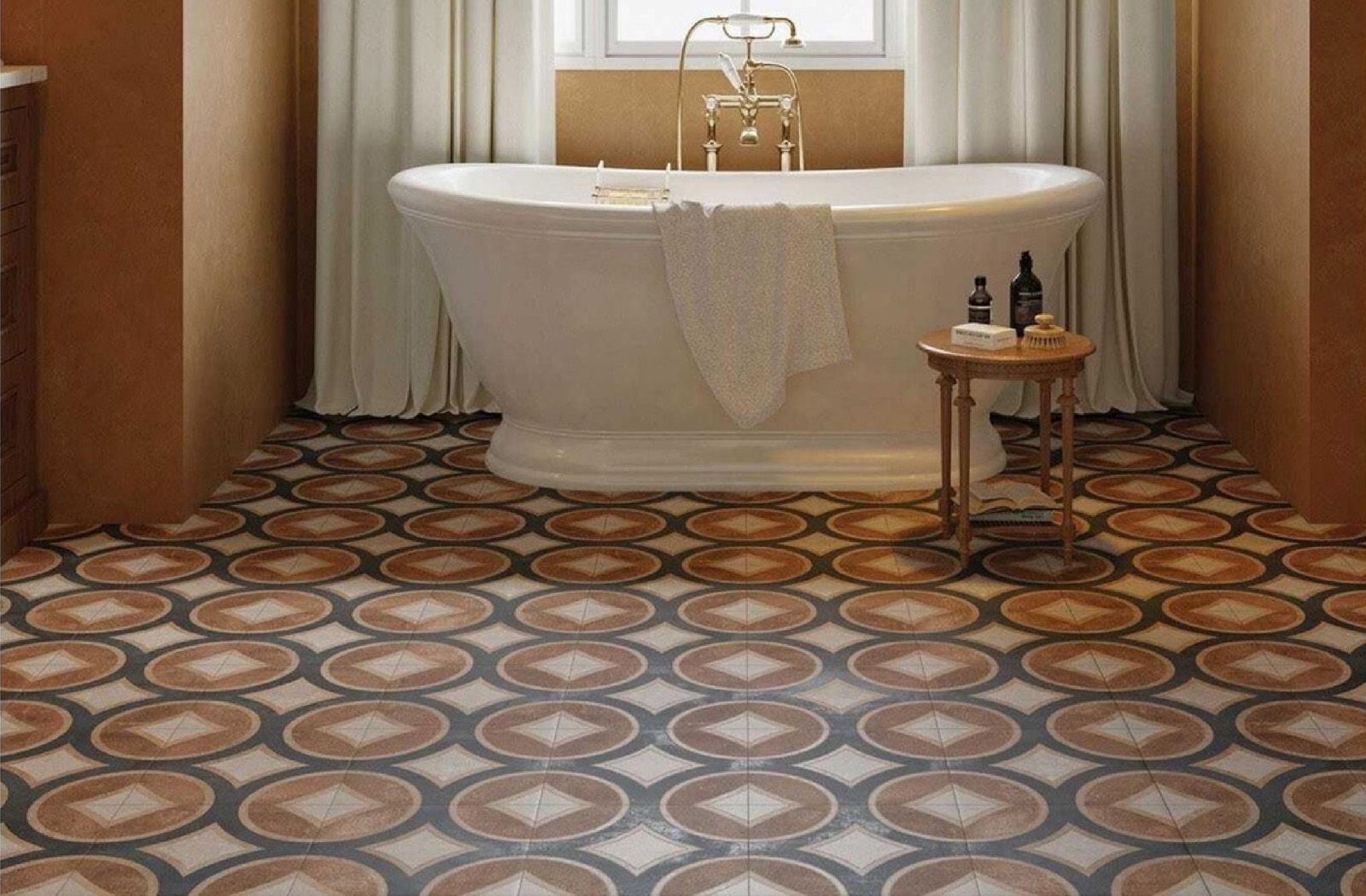
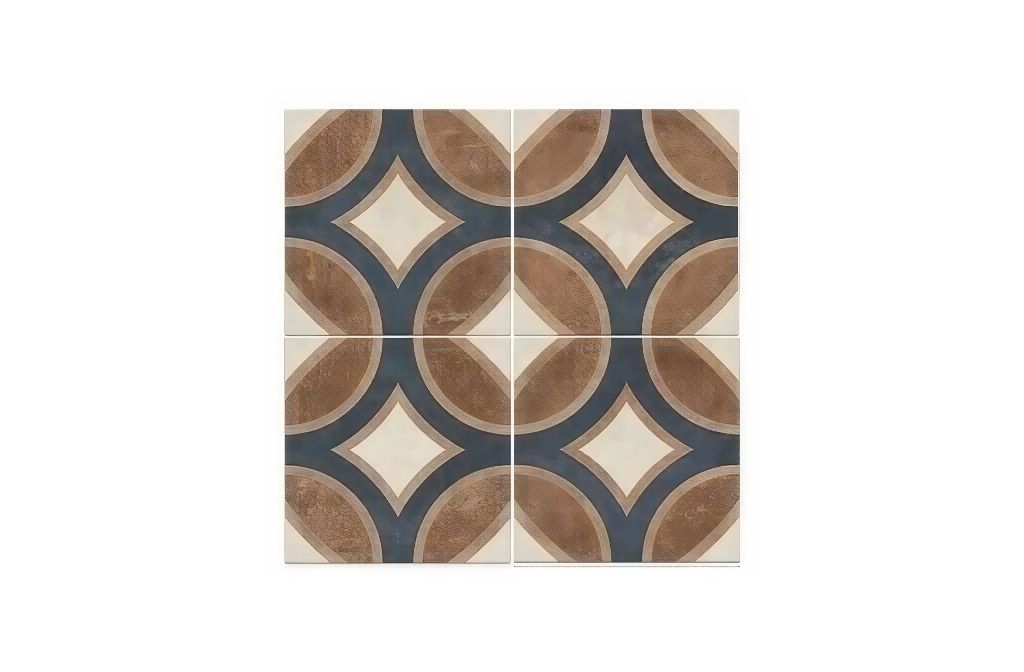
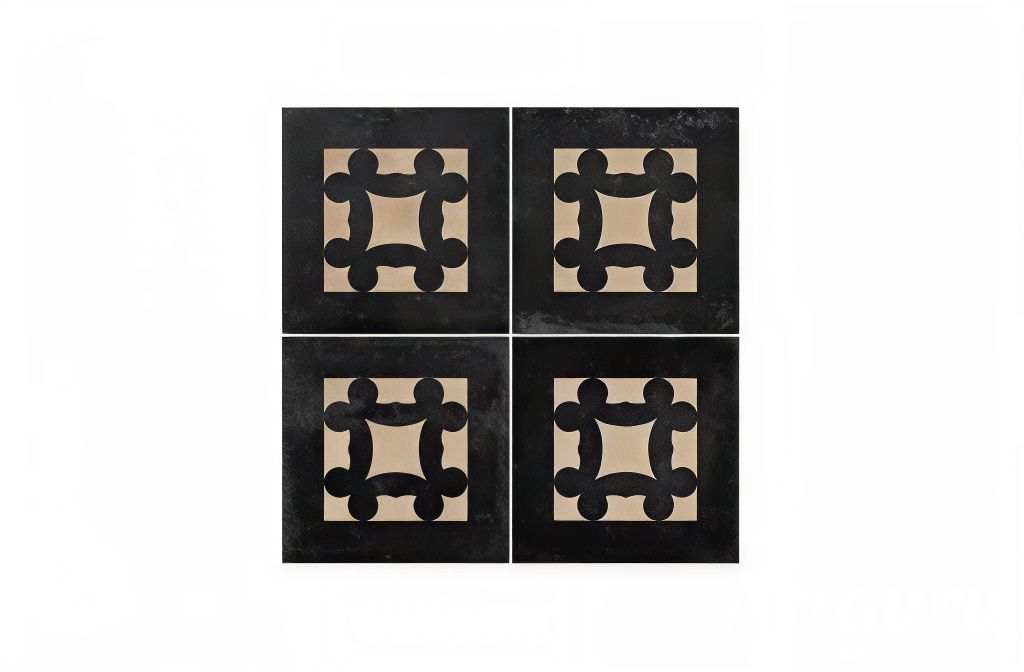
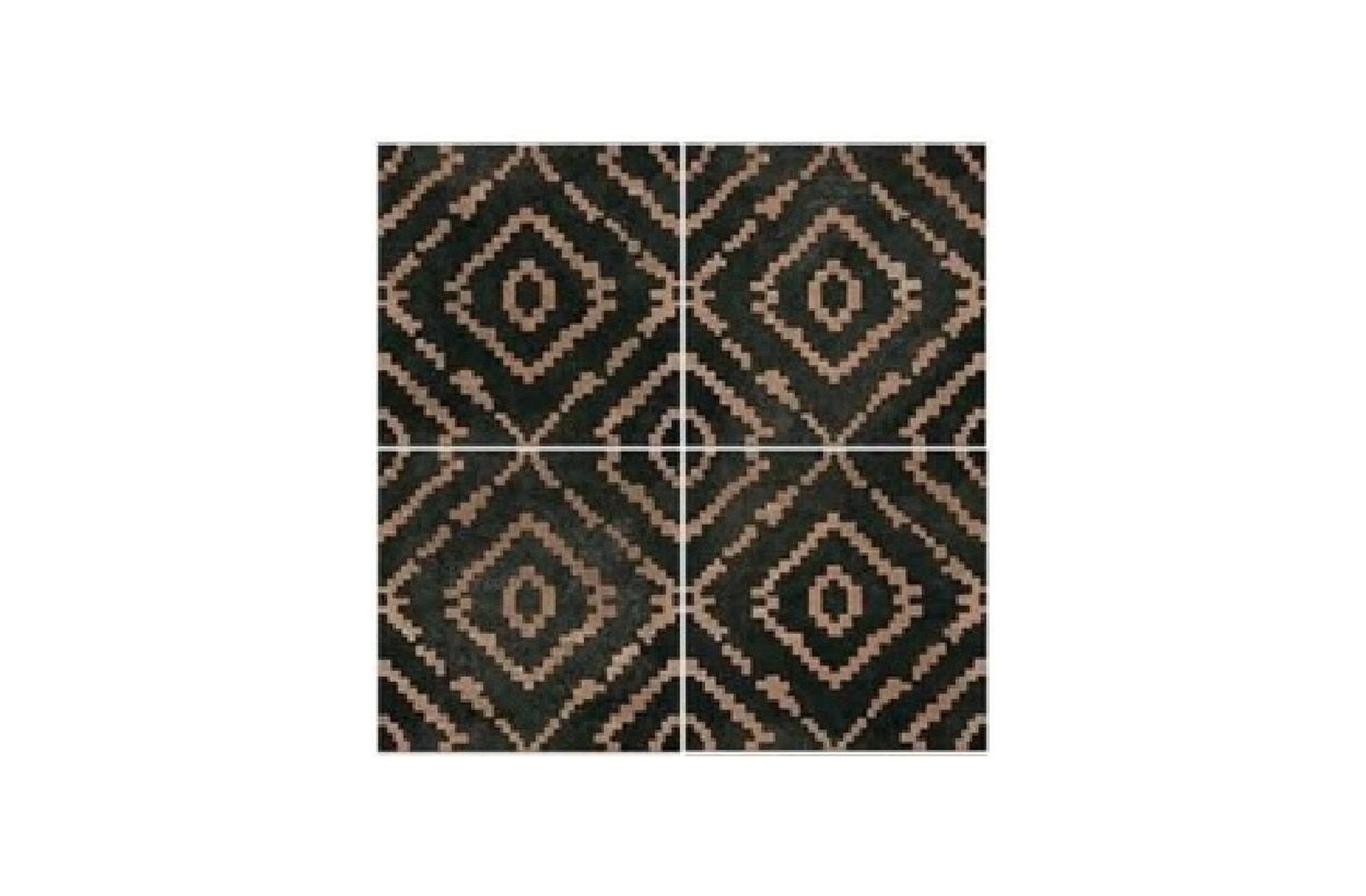
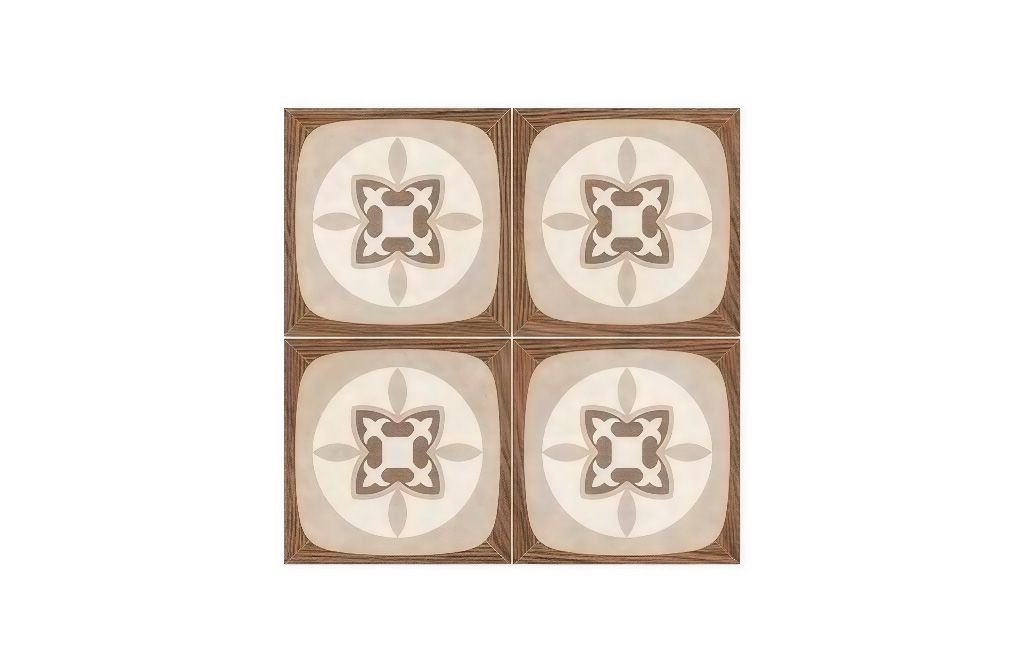
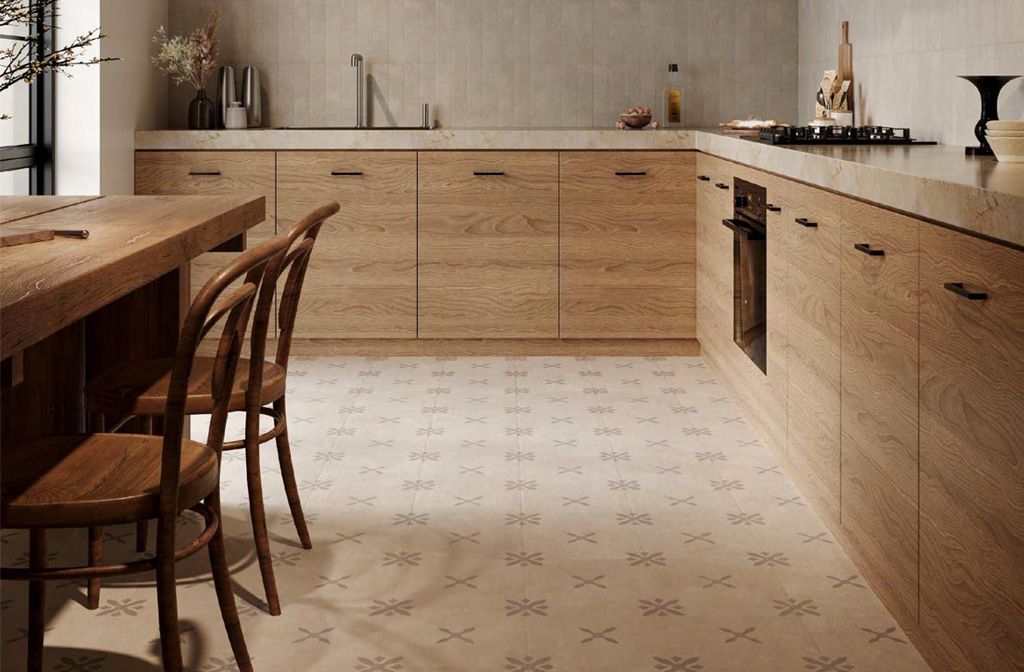
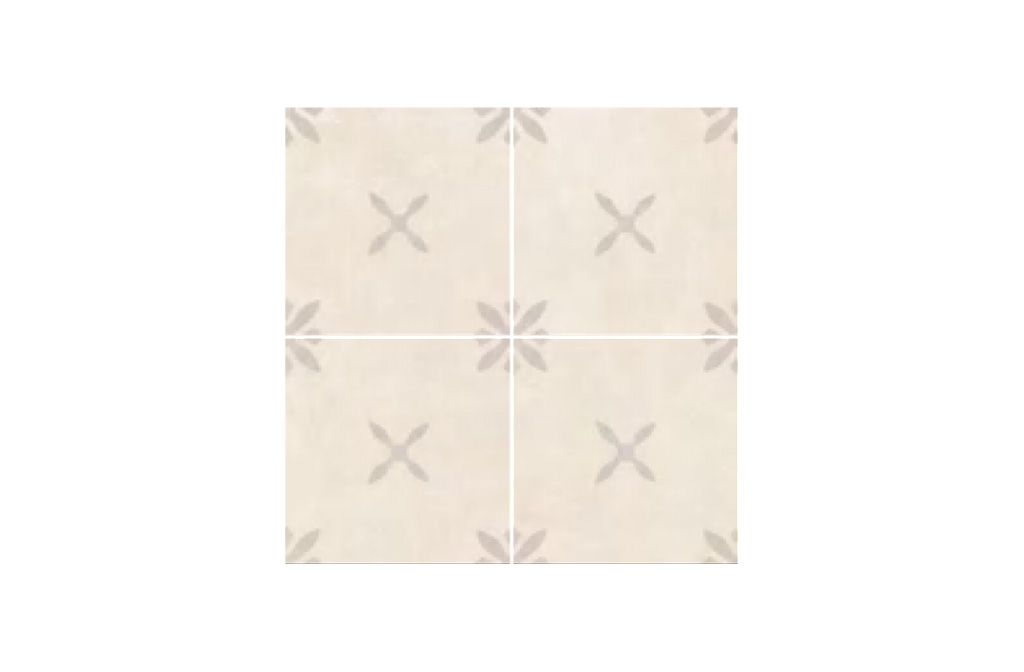
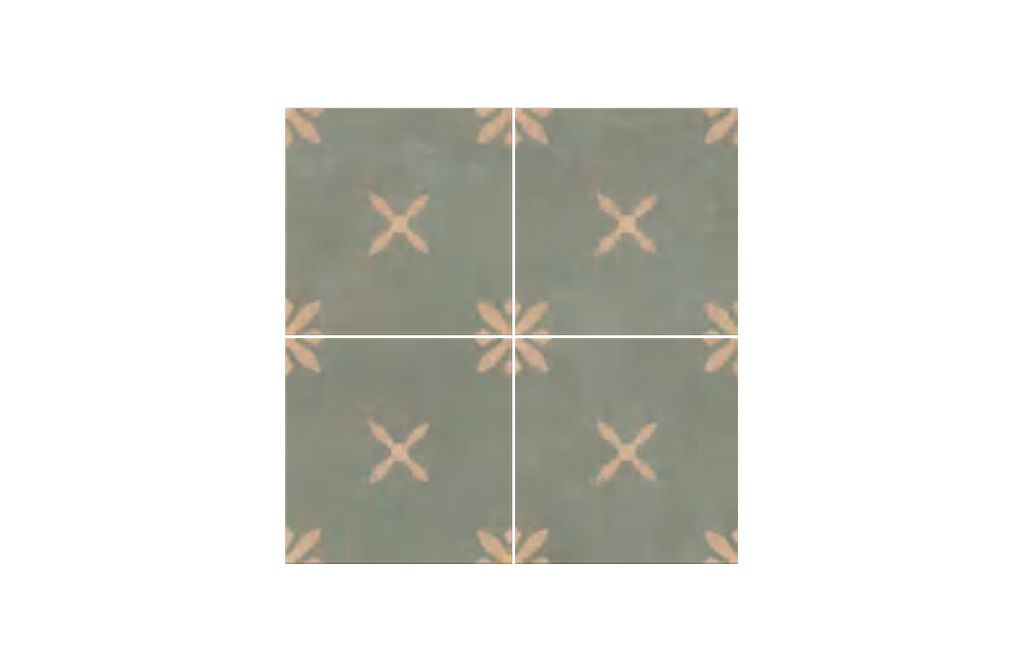
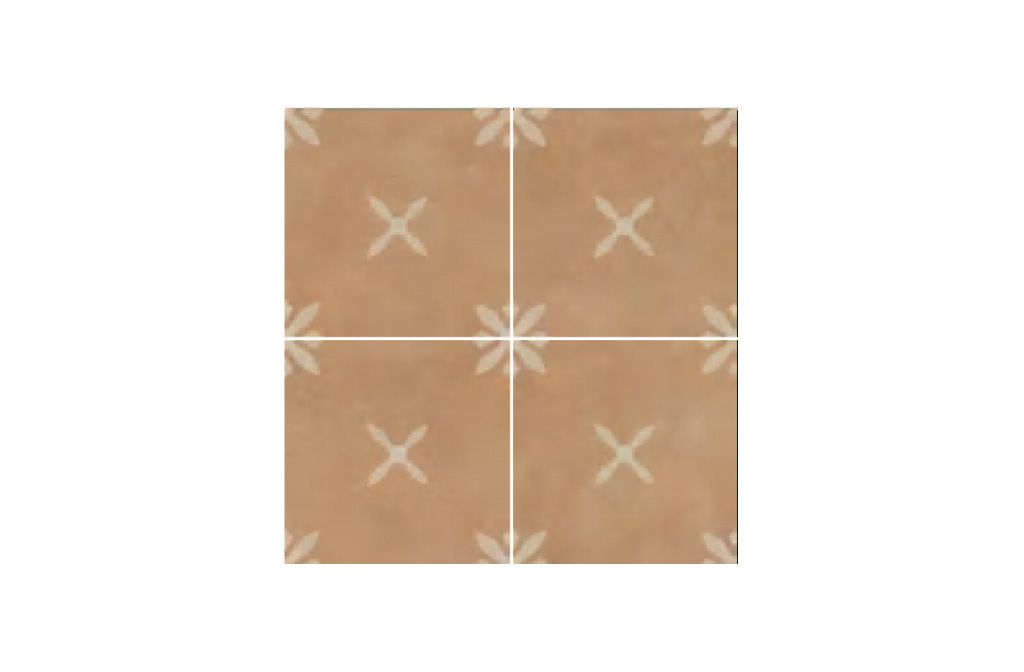
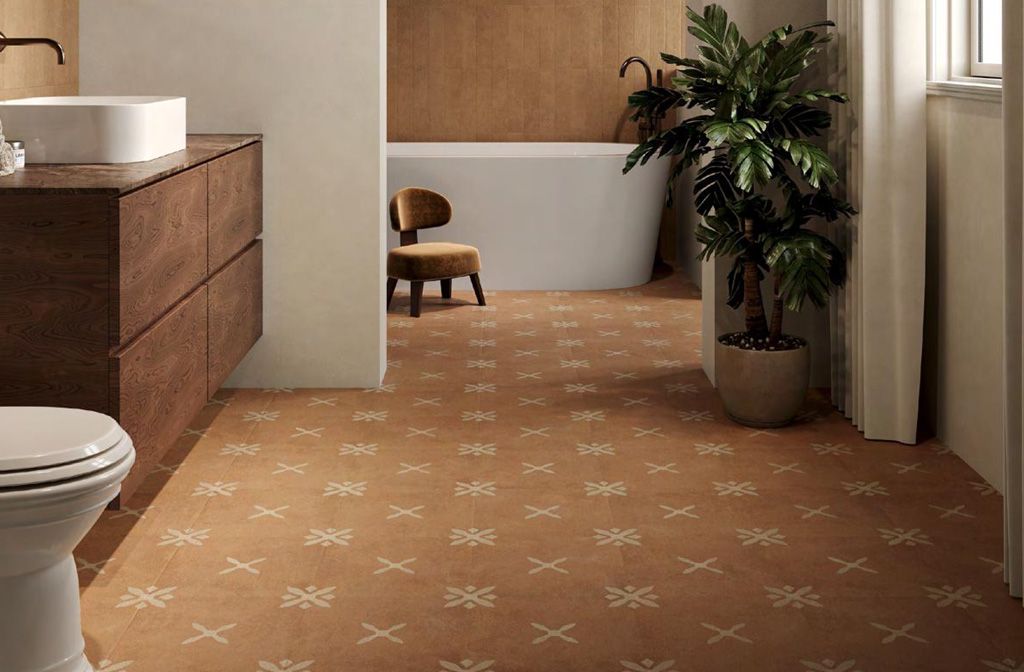
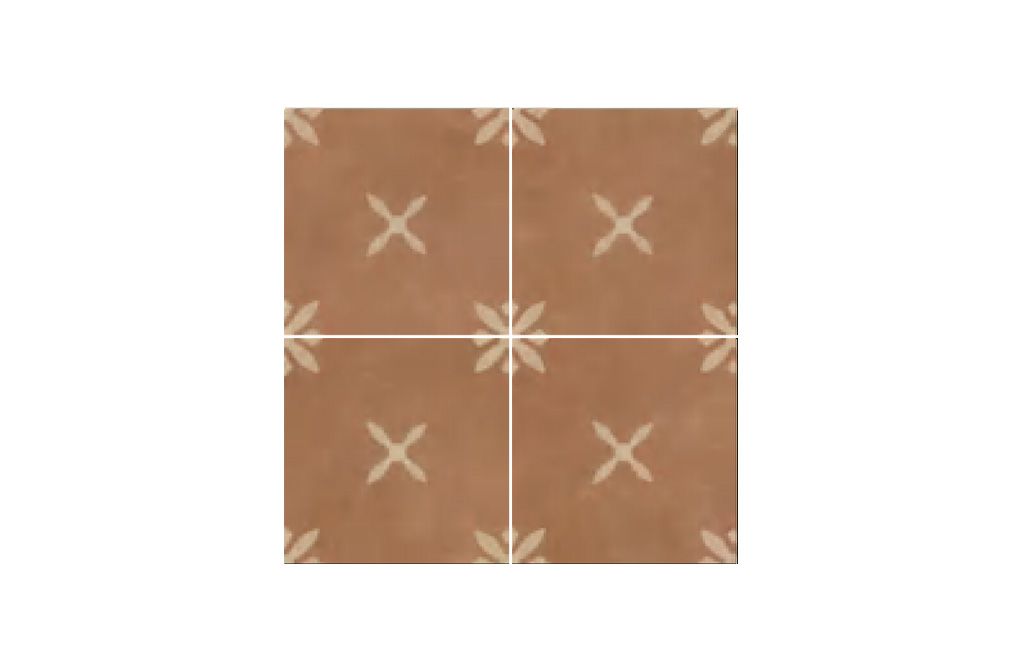
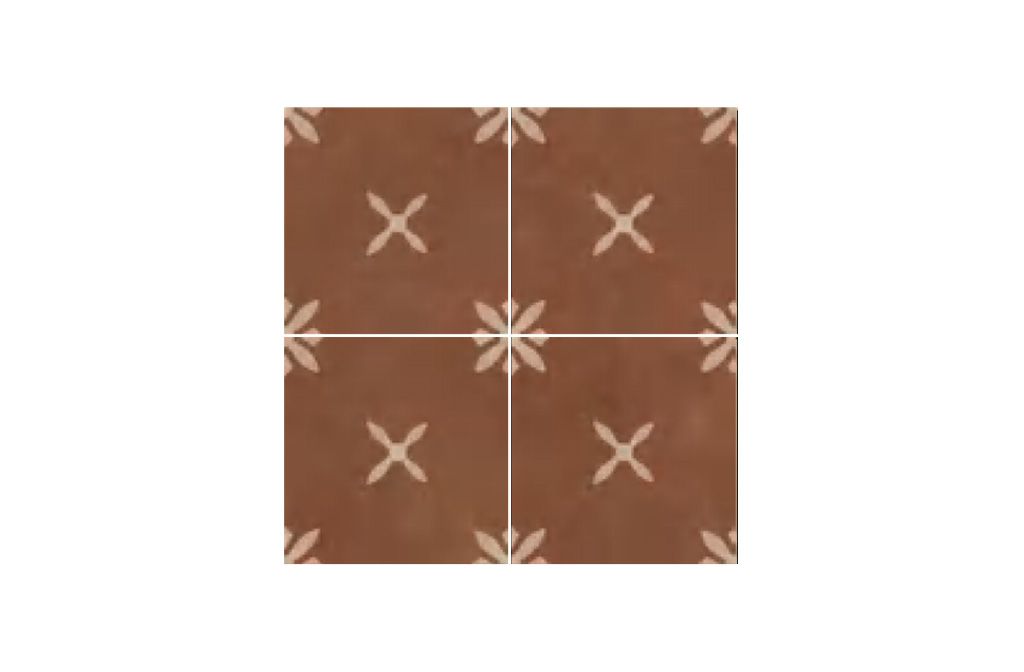
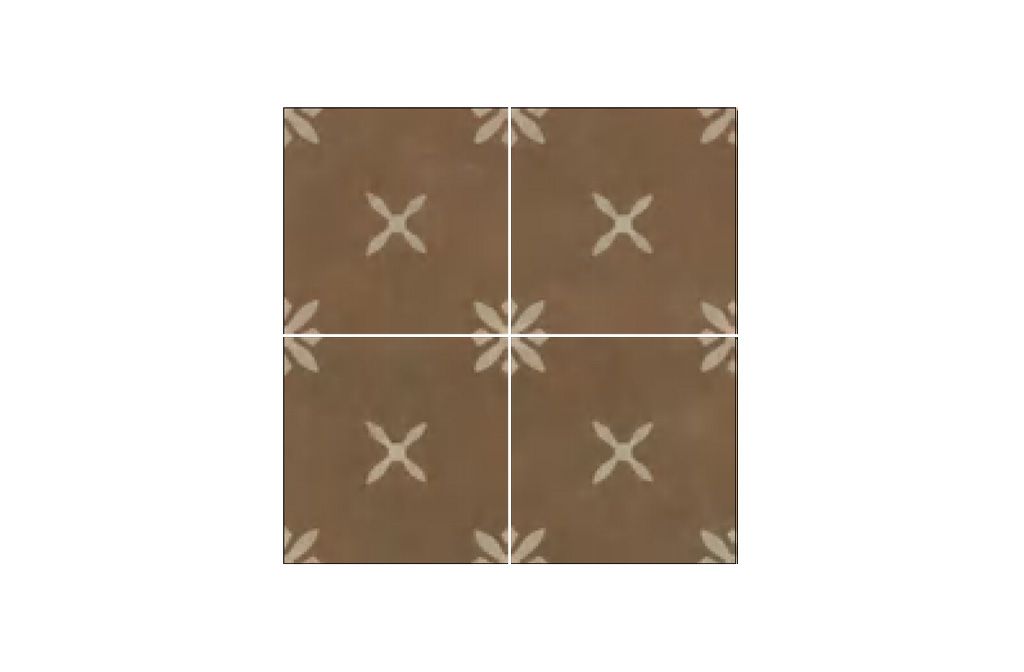
The Retro Dune tile collection features timeless patterns inspired by classic designs, bringing character and charm to any space. Perfect for creating statement walls or floors with a nostalgic touch.
The Retro Dune tile collection features timeless patterns inspired by classic designs, bringing character and charm to any space. Perfect for creating statement walls or floors with a nostalgic touch.
The Retro Dune tile collection features timeless patterns inspired by classic designs, bringing character and charm to any space. Perfect for creating statement walls or floors with a nostalgic touch.
The Retro Dune tile collection features timeless patterns inspired by classic designs, bringing character and charm to any space. Perfect for creating statement walls or floors with a nostalgic touch.
The Retro Dune tile collection features timeless patterns inspired by classic designs, bringing character and charm to any space. Perfect for creating statement walls or floors with a nostalgic touch.
The Retro Dune tile collection features timeless patterns inspired by classic designs, bringing character and charm to any space. Perfect for creating statement walls or floors with a nostalgic touch.
The Retro Dune tile collection features timeless patterns inspired by classic designs, bringing character and charm to any space. Perfect for creating statement walls or floors with a nostalgic touch.
The Retro Dune tile collection features timeless patterns inspired by classic designs, bringing character and charm to any space. Perfect for creating statement walls or floors with a nostalgic touch.
The Retro Dune tile collection features timeless patterns inspired by classic designs, bringing character and charm to any space. Perfect for creating statement walls or floors with a nostalgic touch.
The Retro Dune tile collection features timeless patterns inspired by classic designs, bringing character and charm to any space. Perfect for creating statement walls or floors with a nostalgic touch.
The Retro Dune tile collection features timeless patterns inspired by classic designs, bringing character and charm to any space. Perfect for creating statement walls or floors with a nostalgic touch.
The Retro Dune tile collection features timeless patterns inspired by classic designs, bringing character and charm to any space. Perfect for creating statement walls or floors with a nostalgic touch.
The Retro Dune tile collection features timeless patterns inspired by classic designs, bringing character and charm to any space. Perfect for creating statement walls or floors with a nostalgic touch.
The Retro Dune tile collection features timeless patterns inspired by classic designs, bringing character and charm to any space. Perfect for creating statement walls or floors with a nostalgic touch.
The Retro Dune tile collection features timeless patterns inspired by classic designs, bringing character and charm to any space. Perfect for creating statement walls or floors with a nostalgic touch.
The Retro Dune tile collection features timeless patterns inspired by classic designs, bringing character and charm to any space. Perfect for creating statement walls or floors with a nostalgic touch.
The Retro Dune tile collection features timeless patterns inspired by classic designs, bringing character and charm to any space. Perfect for creating statement walls or floors with a nostalgic touch.
The Retro Dune tile collection features timeless patterns inspired by classic designs, bringing character and charm to any space. Perfect for creating statement walls or floors with a nostalgic touch.
The Retro Dune tile collection features timeless patterns inspired by classic designs, bringing character and charm to any space. Perfect for creating statement walls or floors with a nostalgic touch.
The Retro Dune tile collection features timeless patterns inspired by classic designs, bringing character and charm to any space. Perfect for creating statement walls or floors with a nostalgic touch.