back to top
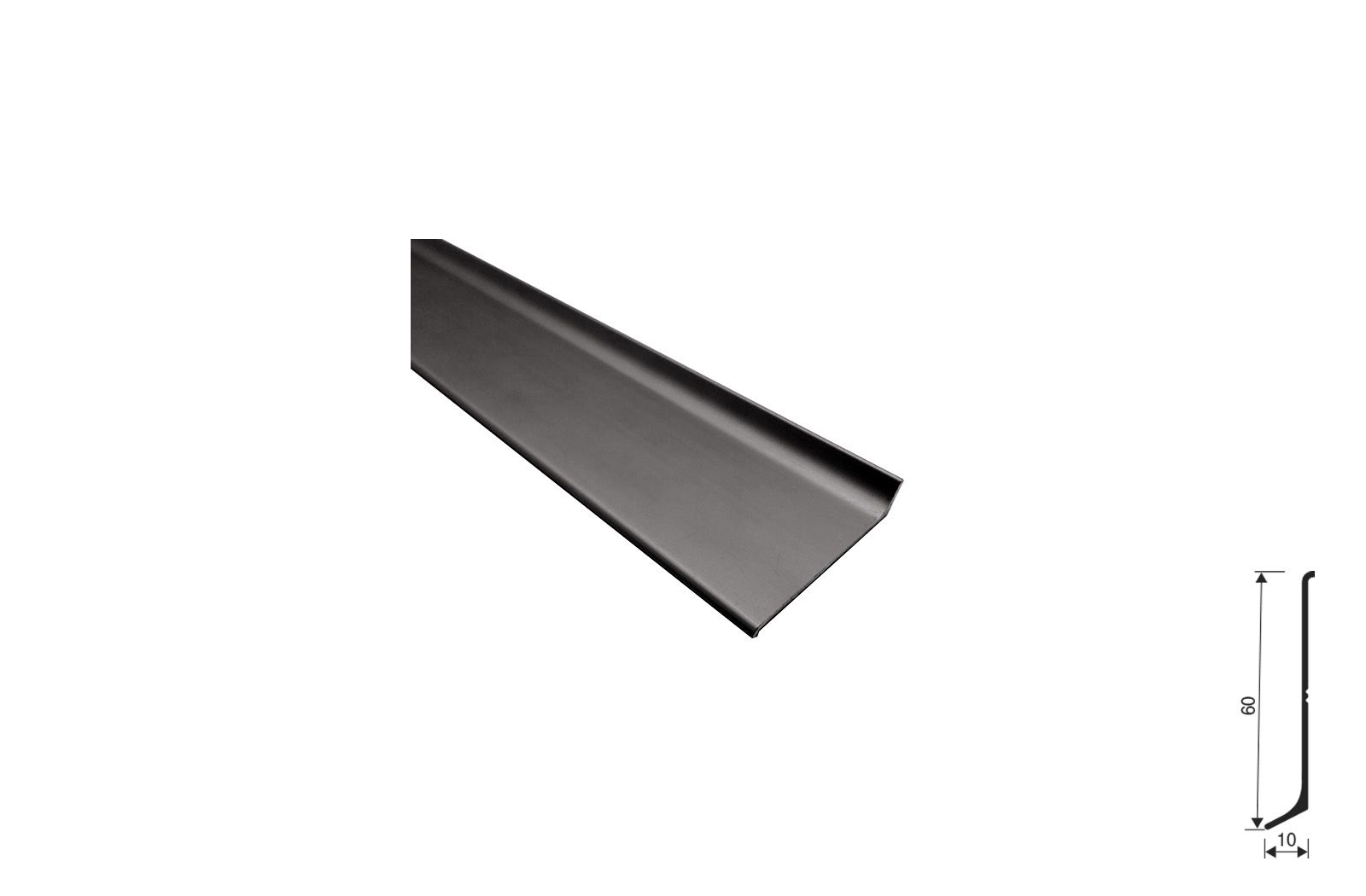
TAE SKIRTING BOARD TRIM
'TAE60 (Silver Matt)
 
 
TAE SKIRTING BOARD TRIM
TAE60 (Silver Matt)
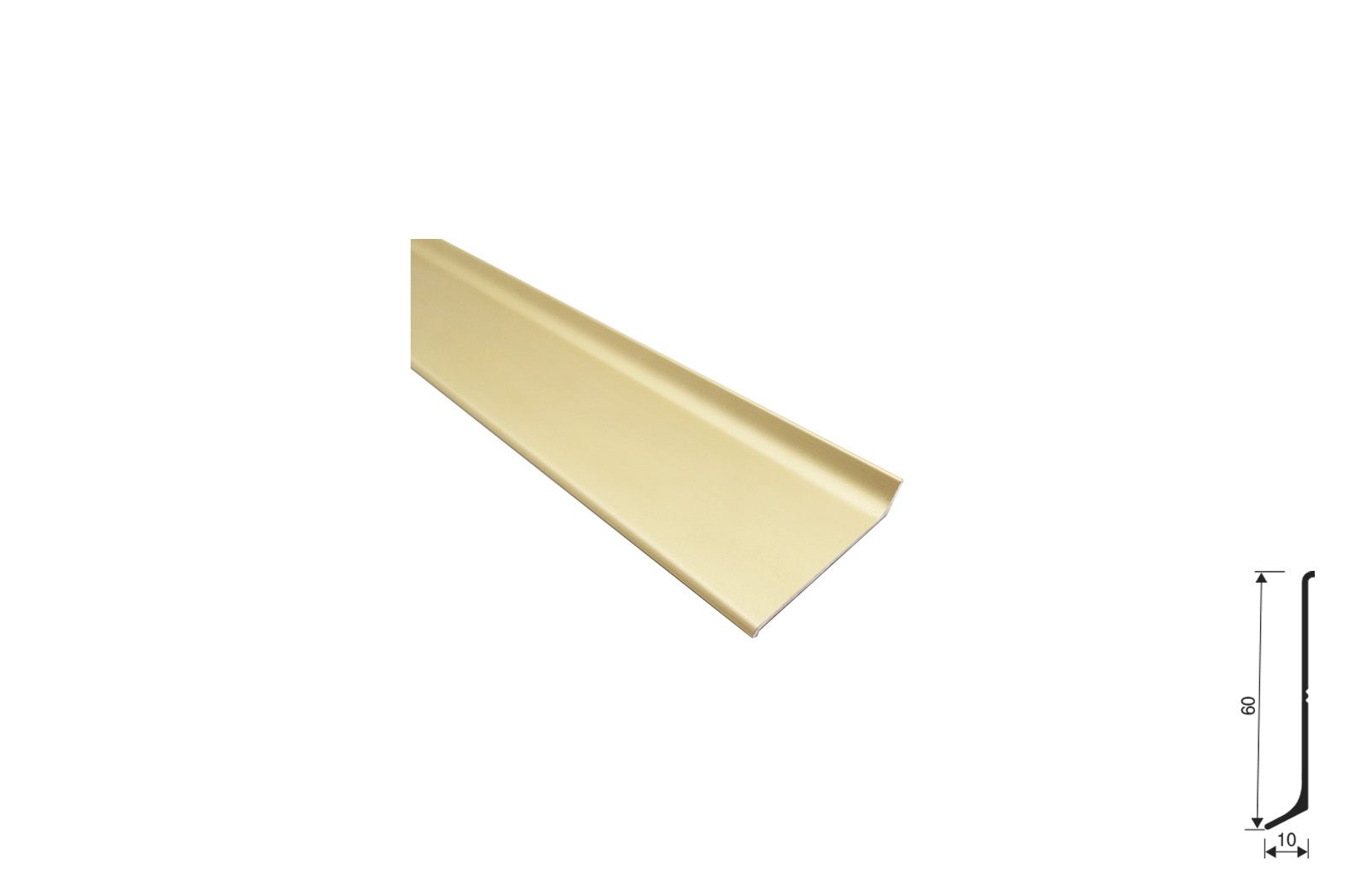
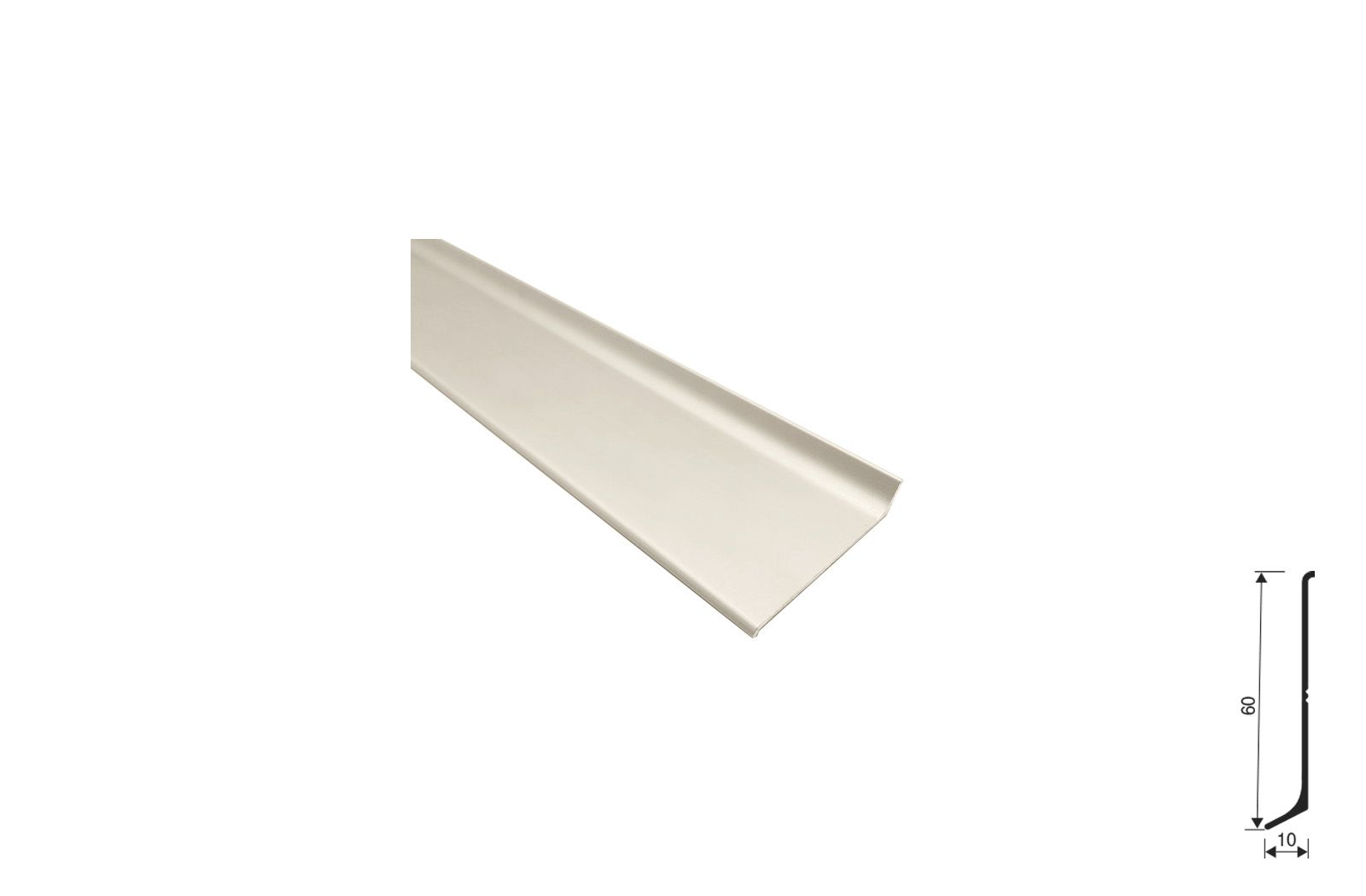
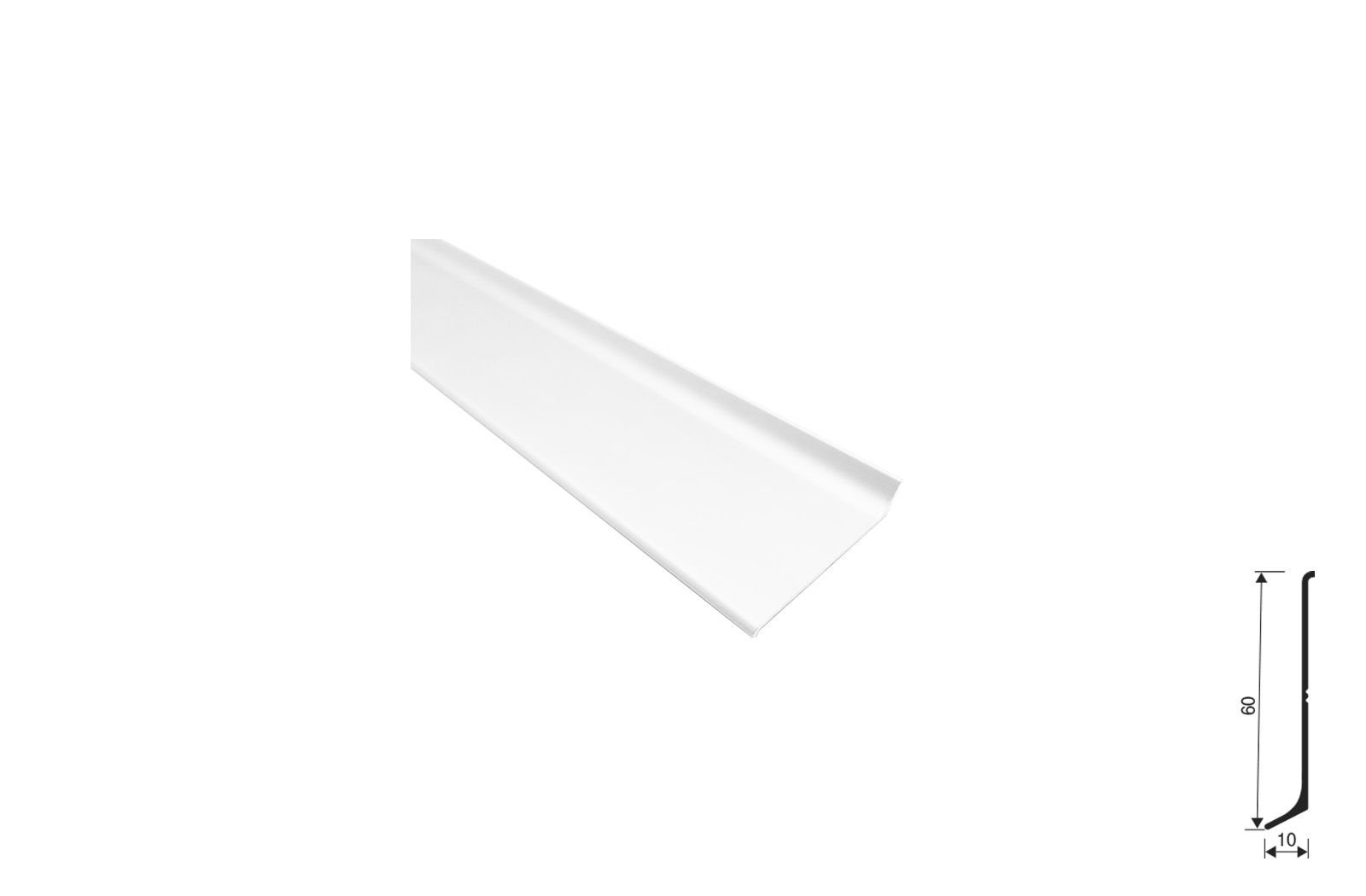
COLOURS & STYLES
BACK
THE STORY
Skirting board trims are designed to neatly cover the joint where walls meet floors without gaps that collect dust or moisture. This modern skirting solution supports both minimalist and contemporary interior design languages.
MATERIAL
Aluminium Alloy
FEATURES
Skirting board trim
COUNTRY OF ORIGIN
China
AVAILABLE DIMENSIONS
(L)2500 × (W)- × (H)60 mm
you may also be interested in
Unique Intensity
Black brecciated quartzite is the inspiration material of the Unique Intensity tile collection from Provenza. Originating from Brazil, the stone's distinctive structure features stippling and vivid mineral details alternating with large neutral expanses. The compositional offering is completed by the Arcade decor with its long rectangular form of 60x120 cm, intended to extend walls’ vertical axes with geometrical forms that enhance the architectural impression of height.
Storica
The charm and elegance of stone find a contemporary and innovative interpretation in the Storica tile collection by Capri Ceramiche. The tiles are distinguished by their striking veins, showcasing a unique personality and a bold, well-defined character.
Verso Cross Cut
The Verso Cross Cut tile collection is inspired by travertine, a sedimentary rock formed from sediments settled in thermal waters and waterfalls. The Cross Cut Finish shows the cross section of the veins of the sediment layers, cut along the grain.
AntiBacterial
Element Ceramics' glazed porcelain tile collection showcases realistic marble veins and aesthetics. The tile collection also features anti-bacterial properties for a safer and cleaner living environment.

Element Ceramics' antibacterial surface uses Zinc Ion technology. Zinc ions are an antimicrobial agent that can be used against various bacterial strains. A bio-safe material that is non-toxic to human (cells), Zinc ions can stop the growth of bacterial by interacting with the bacterial surface or entering inside the bacterial cells. This disrupts the bacterial enzyme system by displacing magnesium ions essential for the enzymatic activity of bacteria and subsequently, showing a significant bactericidal effect.