back to top
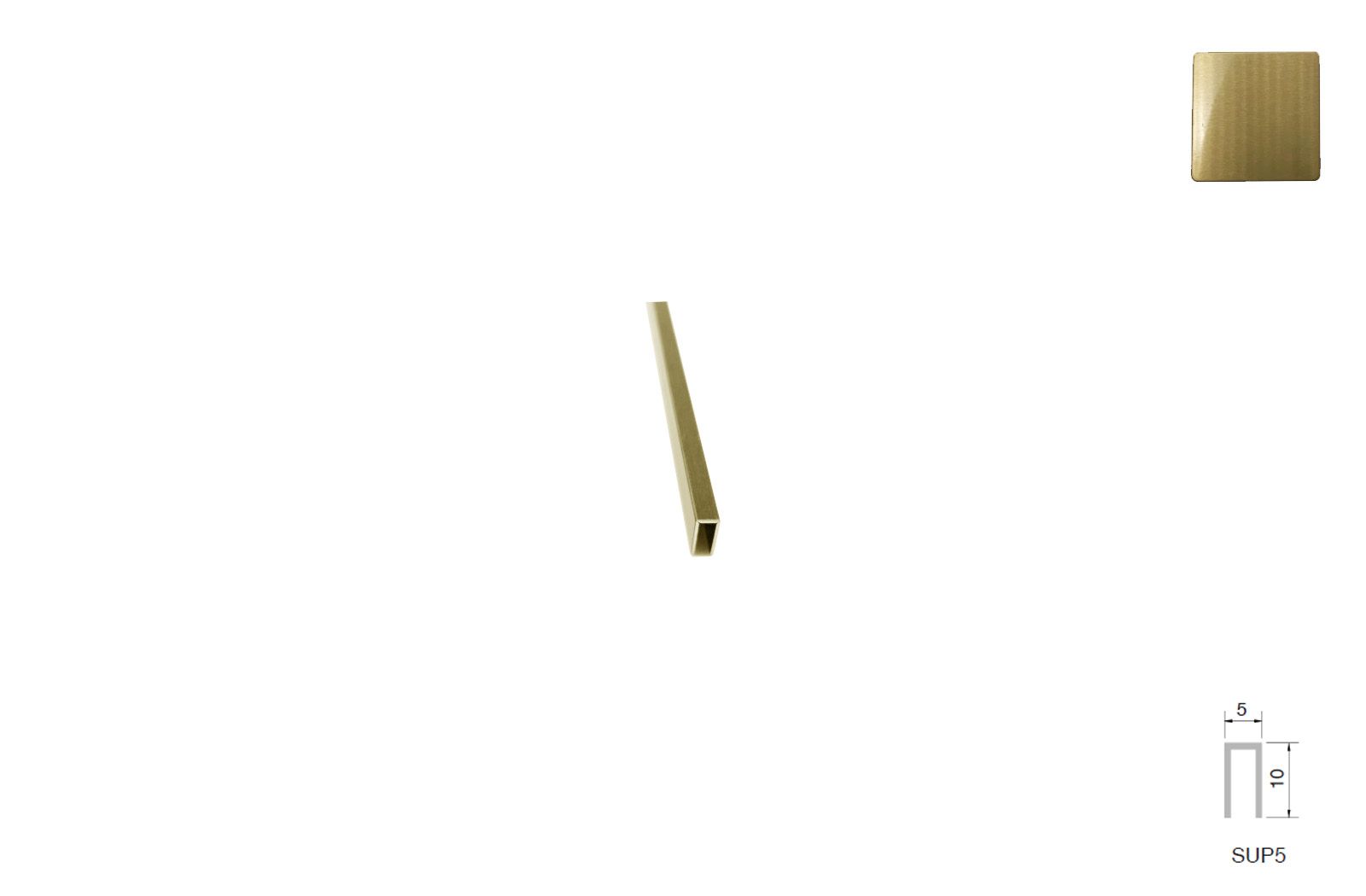
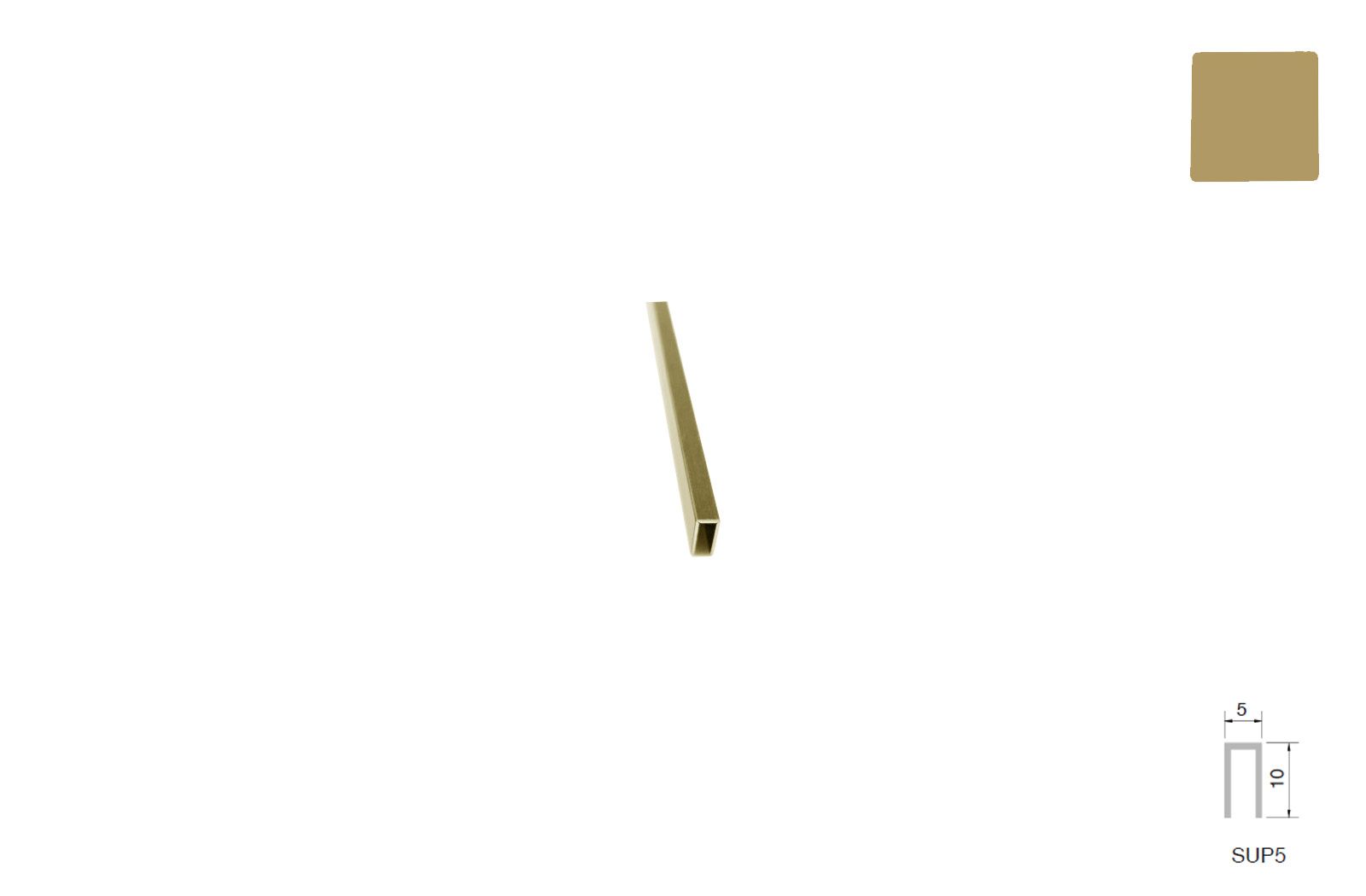
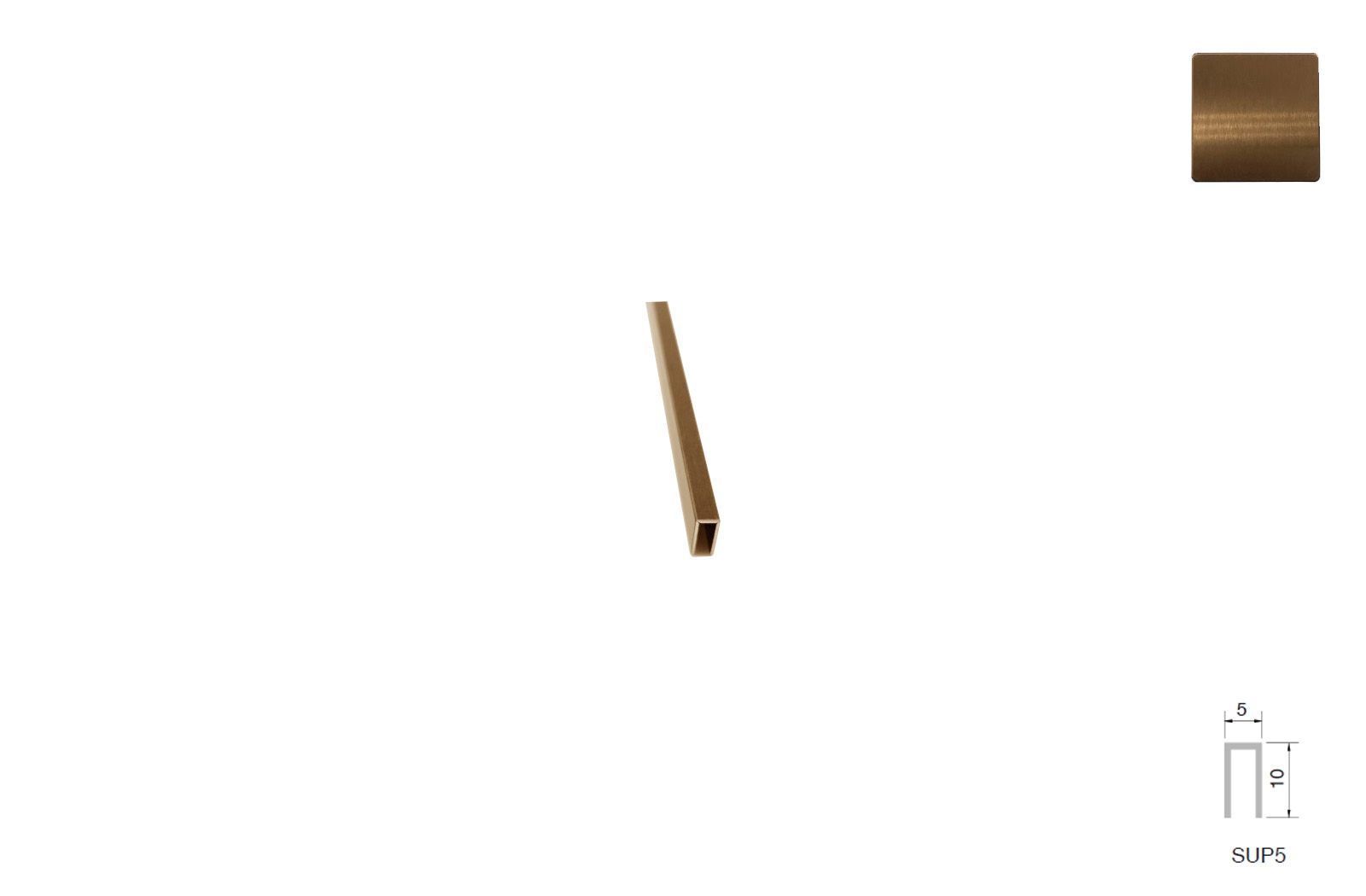
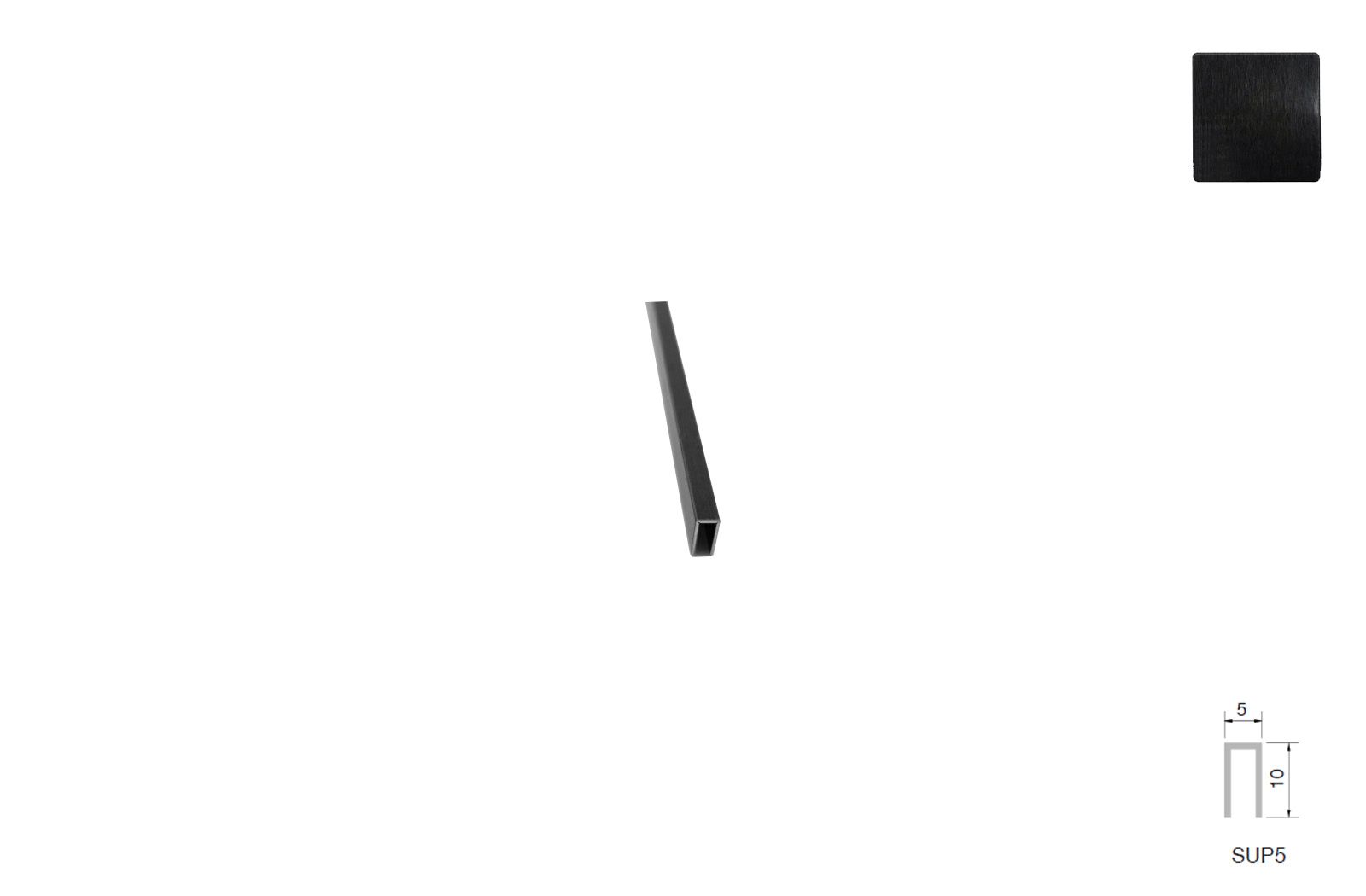
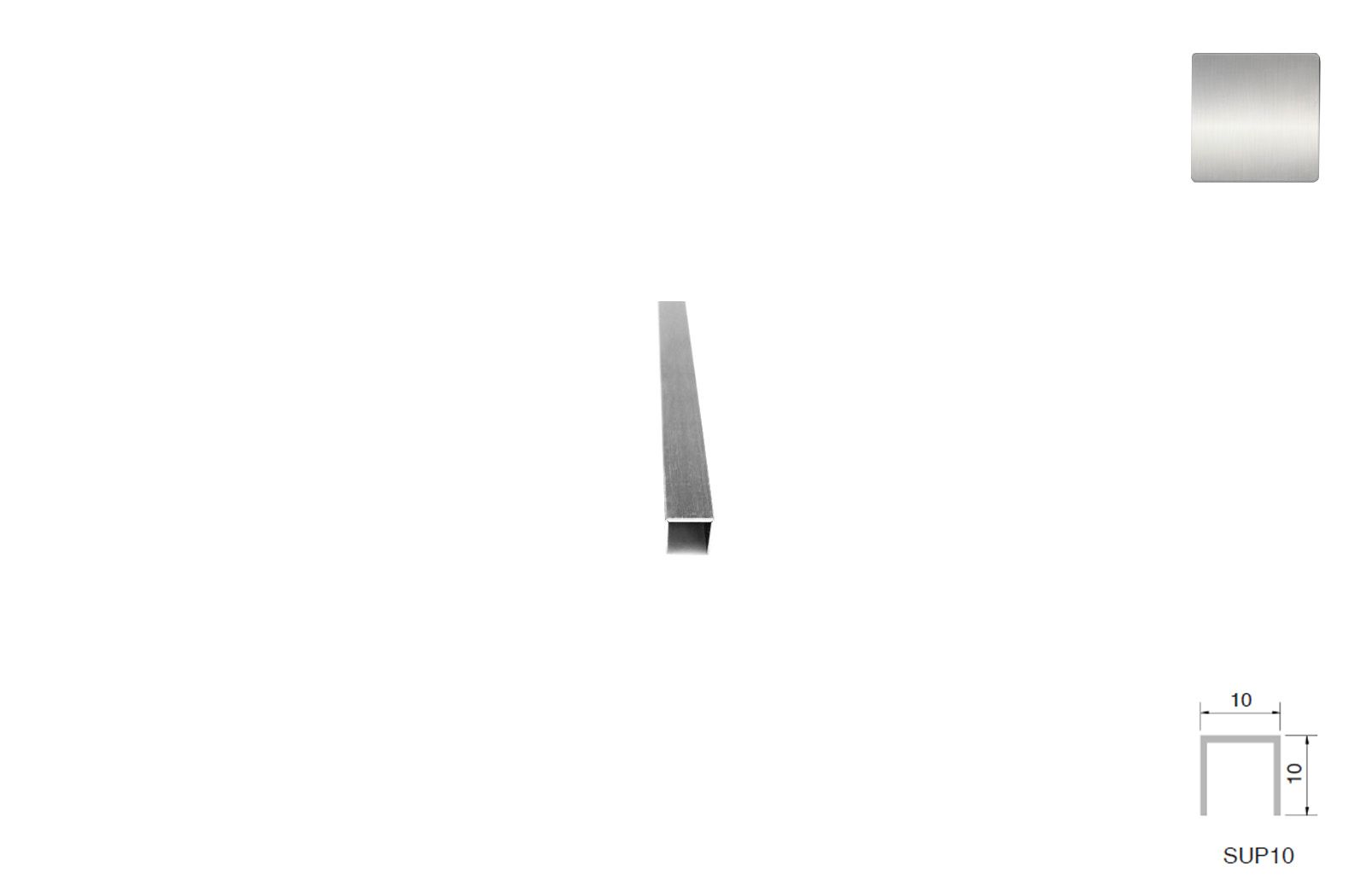
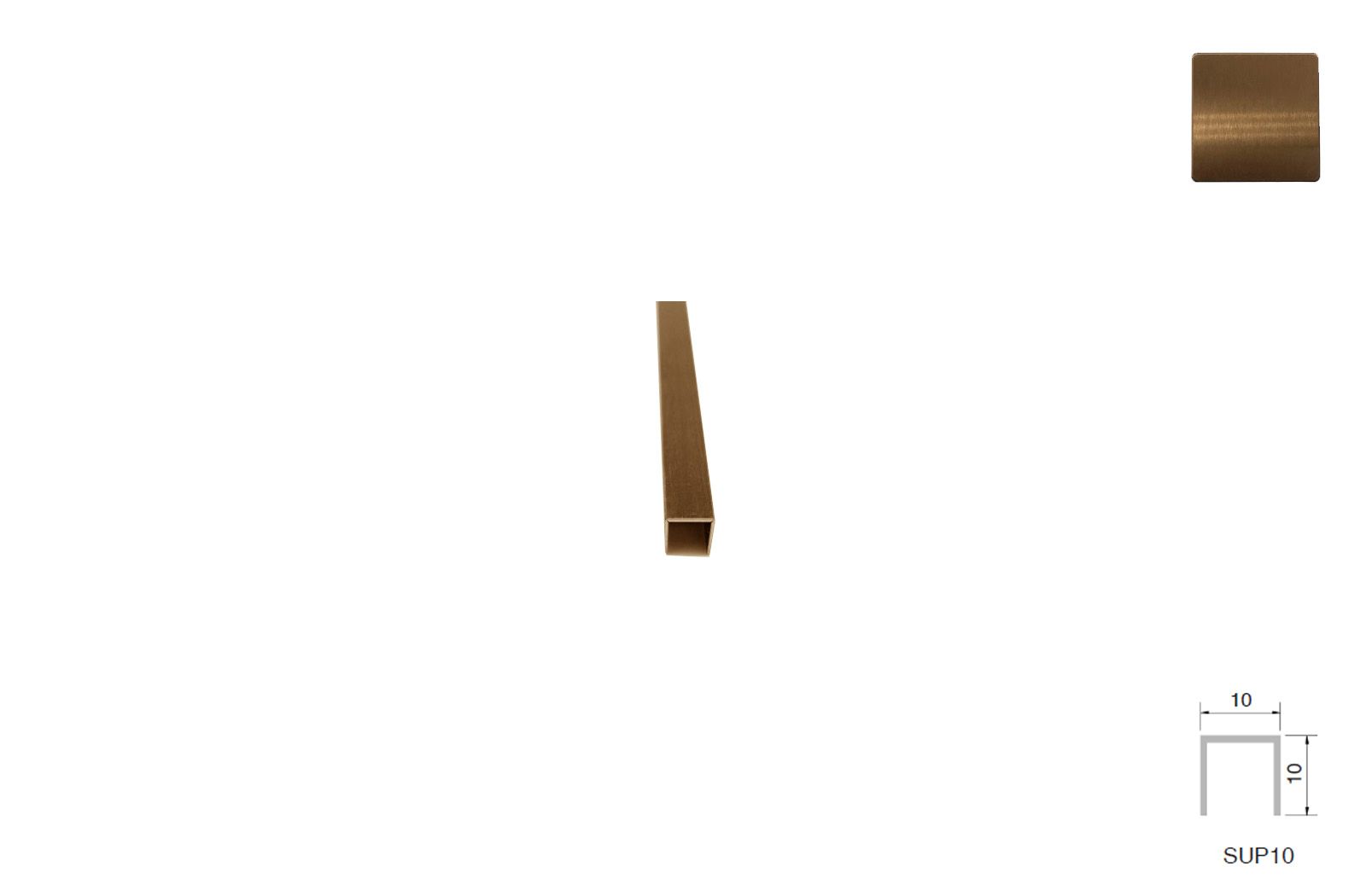
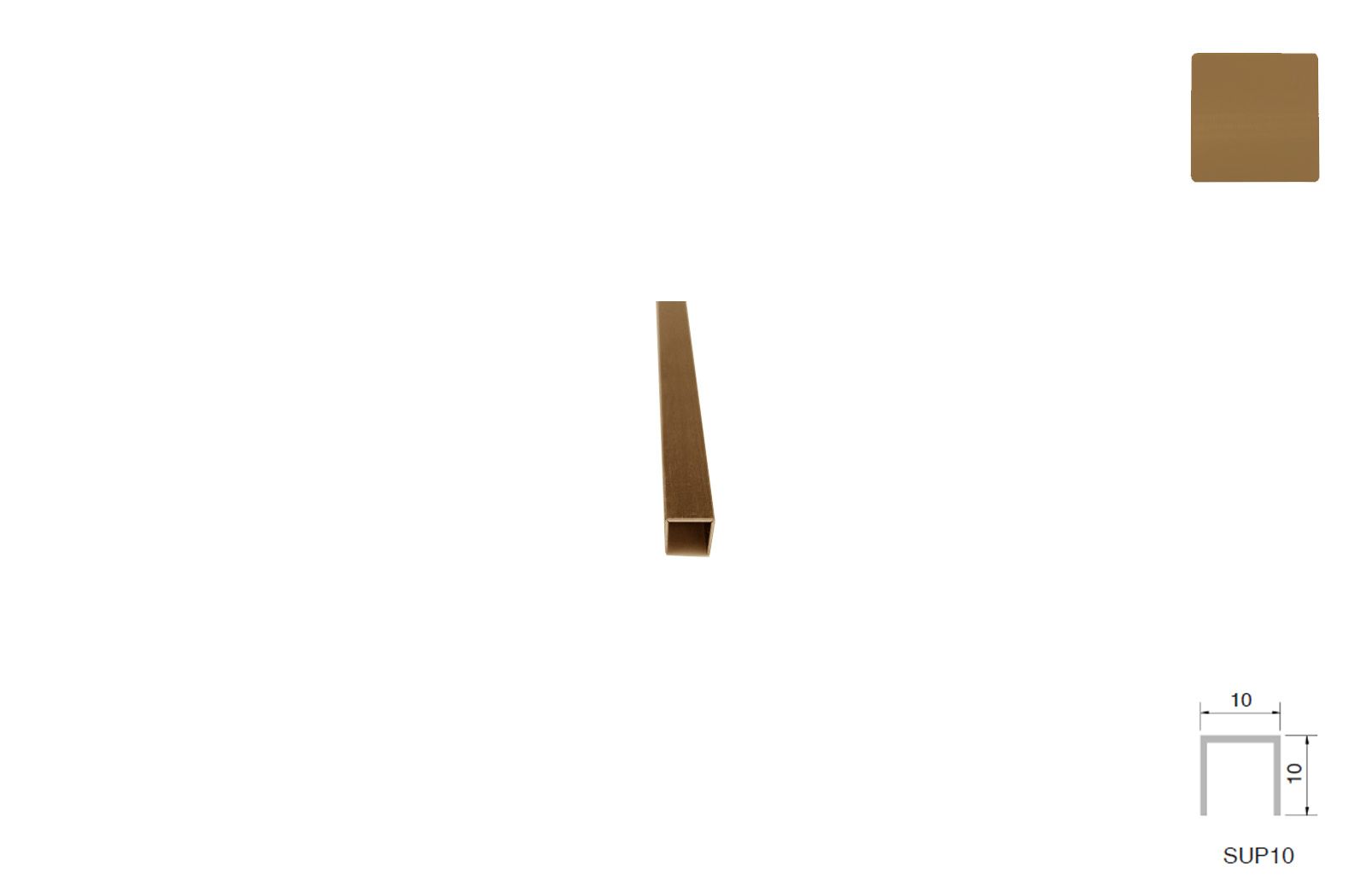
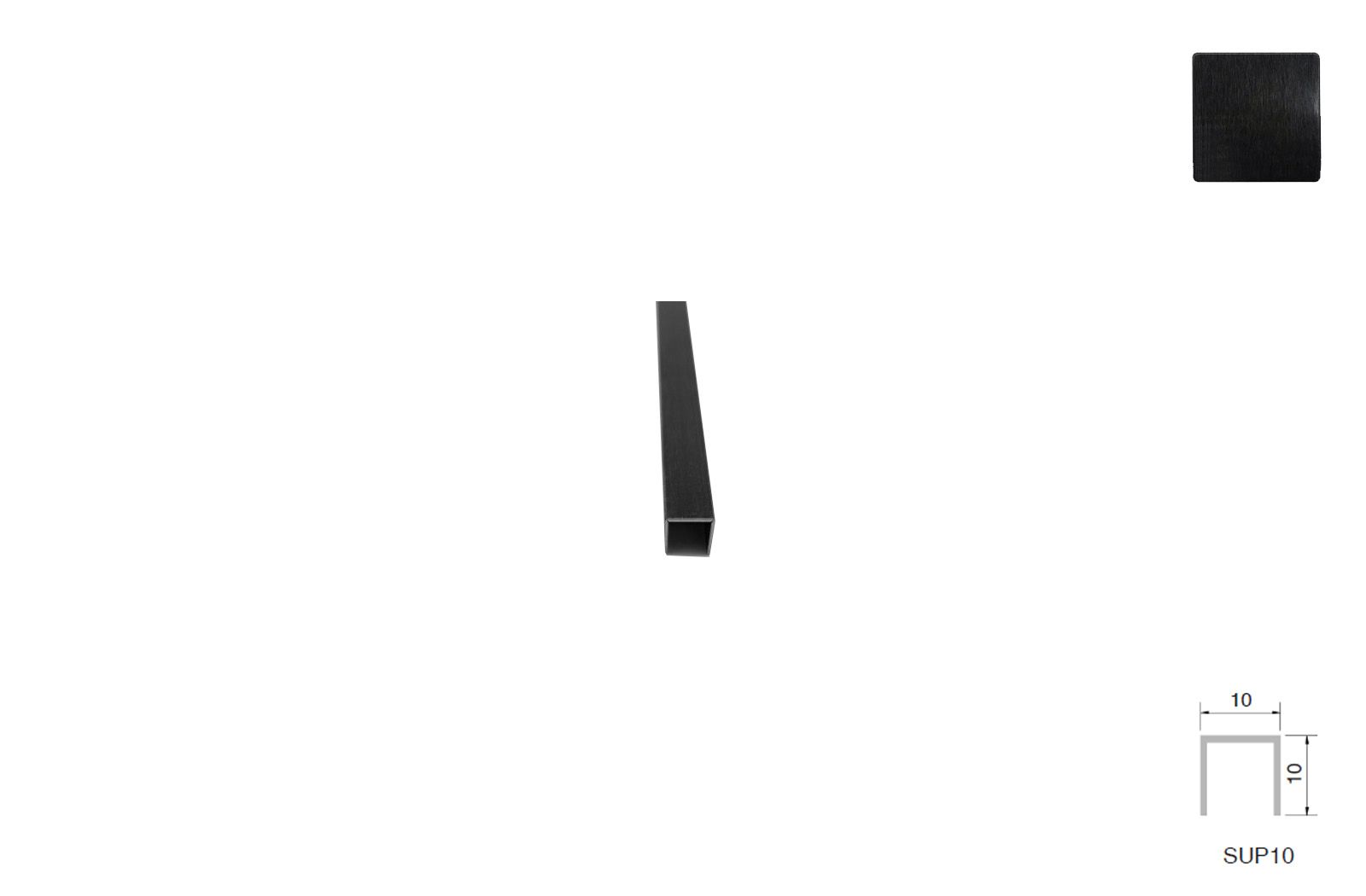
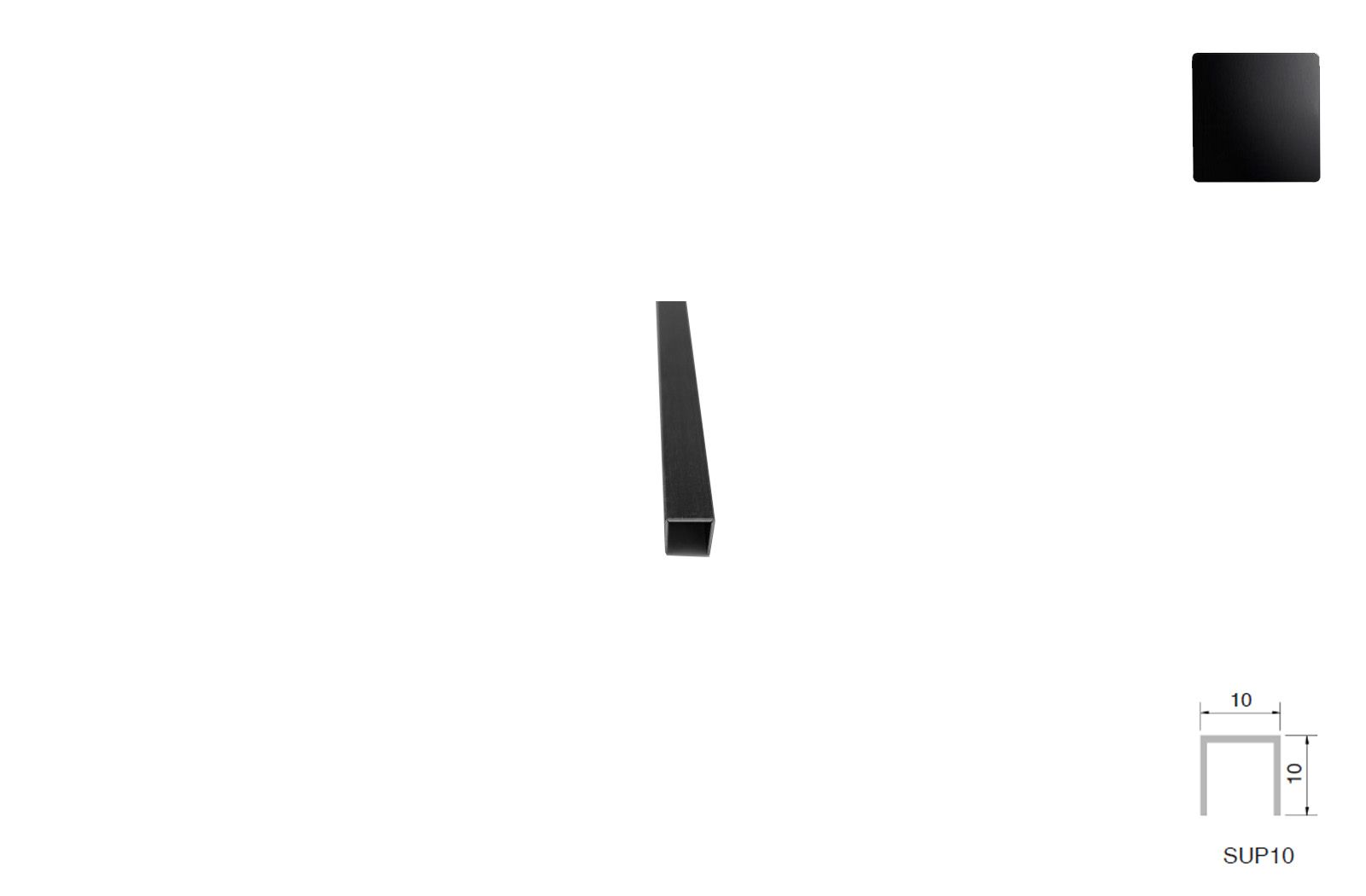
SUP TRANSITION TILE TRIM
'SUP5-1B (Silver Draw)
 
 
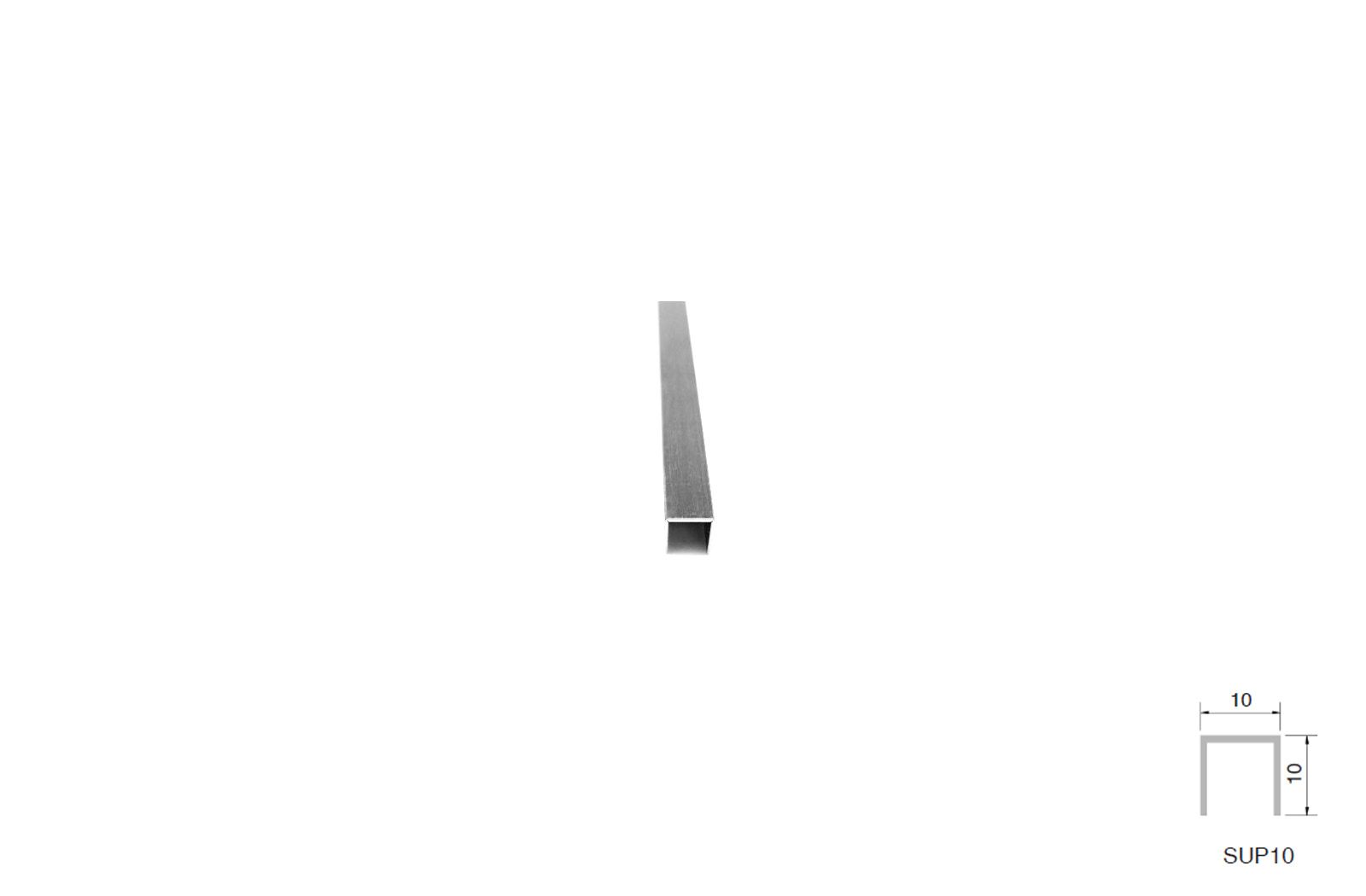
SUP TRANSITION TILE TRIM
SUP5-1B (Silver Draw)
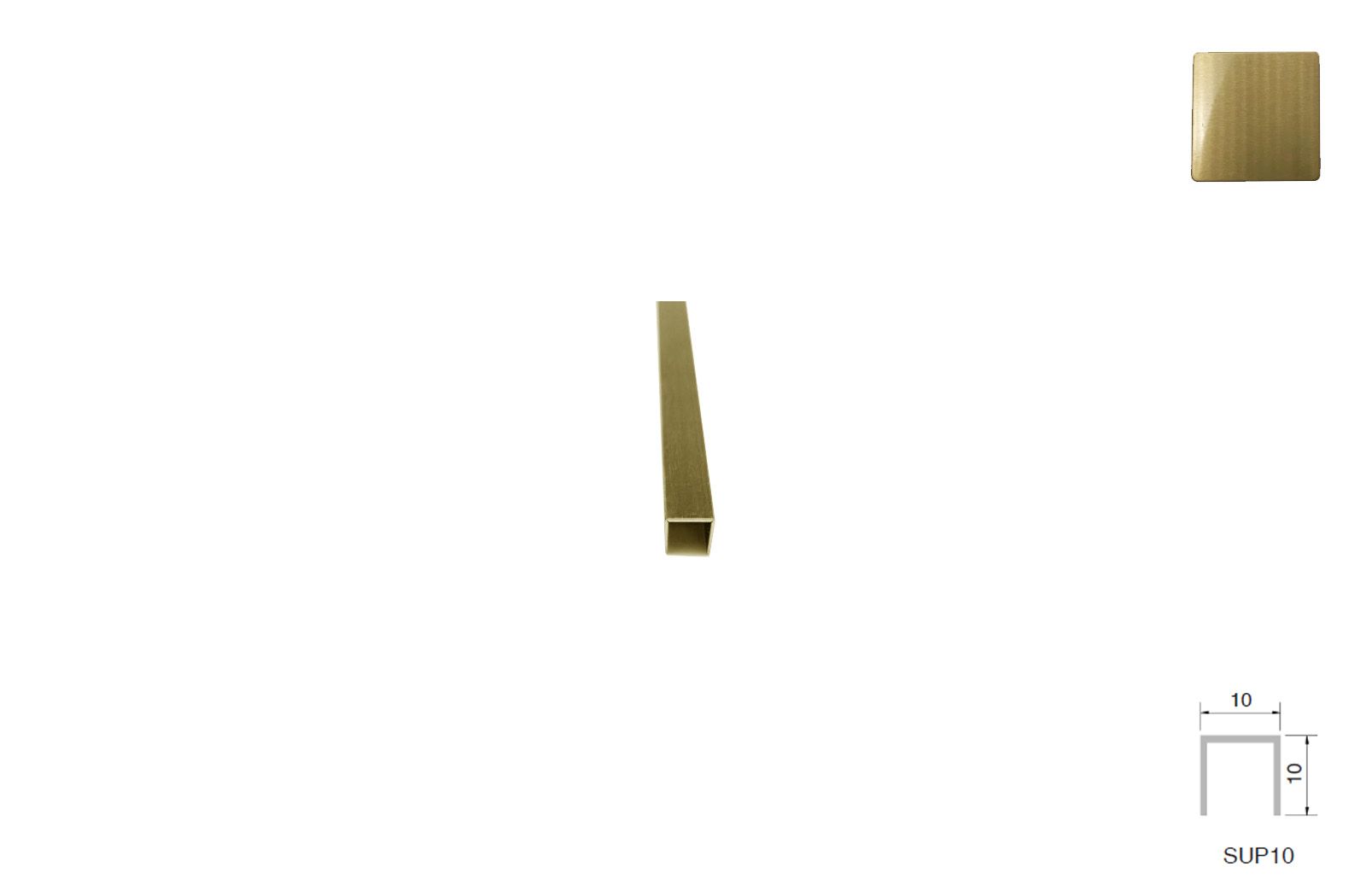
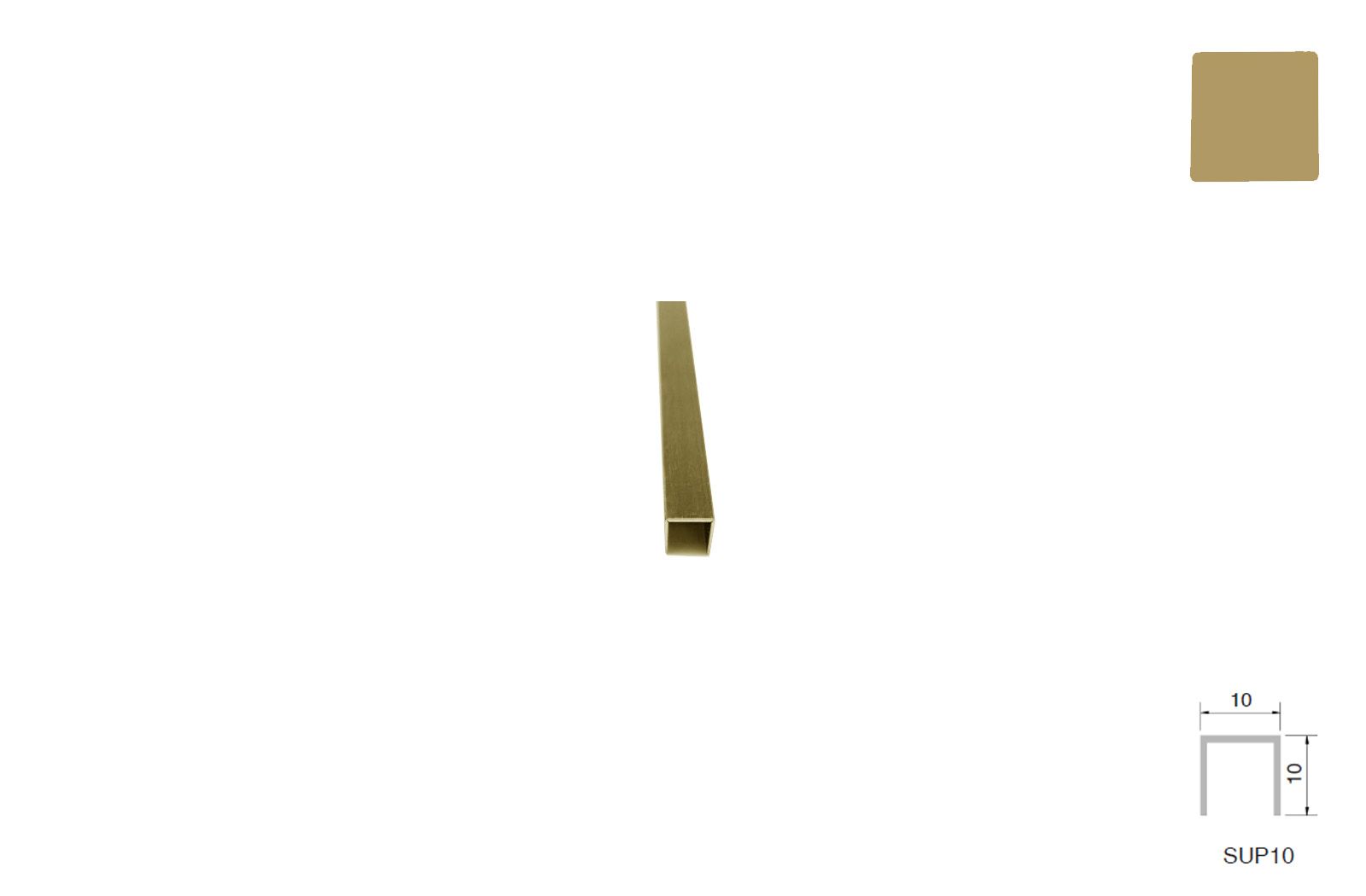
COLOURS & STYLES
BACK
THE STORY
Deliver flawless transitions where tiles meet different wall/floor materials or where height changes occur. These profiles bridge gaps between tiles and neighboring materials like wood, vinyl, or carpet, ensuring safe, level walkways without unsightly edges or trip hazards.

MATERIAL
Stainless Steel
FEATURES
U-shaped transition tile trim
COUNTRY OF ORIGIN
China
AVAILABLE DIMENSIONS
(L)2440 × (W)5 × (H)10 mm
you may also be interested in
NGMGTW
This kit-kat styled mosaic tile collection gives spaces touch of sophistication which is suitable for both wall and floor application.
Dream
Dream tile collection plays on the textures of linen and nature-inspired accents. Oversize porcelain slabs provide a background for the delicate forms of woods and gardens. Like painted canvases, interpreted by the hand of an artist, they bring elegance to any interior, urging the beholder to touch and admire them.
Soft moods merge with the architecture like a fabric in these large, stunning wallpaper-effect panels with all the advantages of tiles - water-resistance, long life, and an easy-to-clean finish.
Marvel X
Marvel X tile collection is the showcase of surfaces inspired by the most widely used marbles in interior design and architecture, creating an unmistakable, timeless style. Shades of white and gray create the ideal canvas for color accents and designer objects and experience the prestige of the marble effect every day.
Antibacterial 60120
Element Ceramics' glazed porcelain tile collection showcases realistic marble veins and aesthetics in the 60x120cm format. The tile collection also features anti-bacterial properties for a safer and cleaner living environment.

Element Ceramics' antibacterial surface uses Zinc Ion technology. Zinc ions are an antimicrobial agent that can be used against various bacterial strains. A bio-safe material that is non-toxic to human (cells), Zinc ions can stop the growth of bacterial by interacting with the bacterial surface or entering inside the bacterial cells. This disrupts the bacterial enzyme system by displacing magnesium ions essential for the enzymatic activity of bacteria and subsequently, showing a significant bactericidal effect.